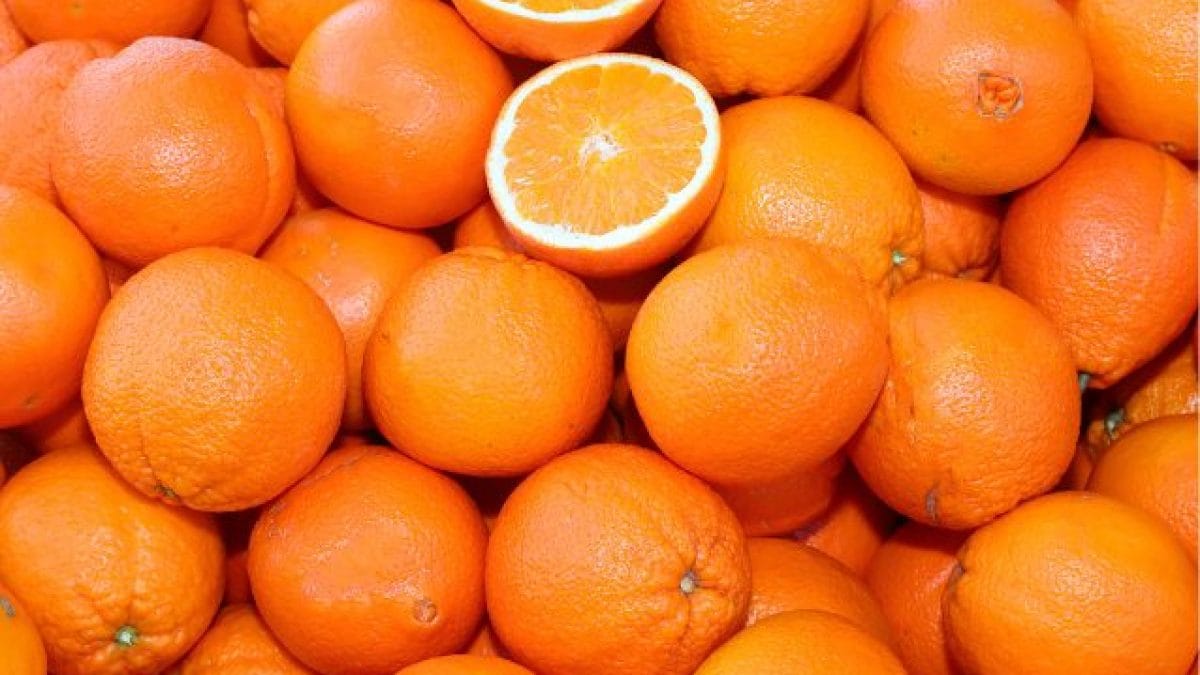
It sounds almost paradoxical, but it’s true: oranges weren’t always orange. In fact, the fruit existed long before the color had a name— and even more surprisingly, early oranges didn’t always look the way we expect them to today. What seems like a simple, everyday fruit actually has a story that blends botany, climate, and even language.
The Fruit Came Before the Color
Today, it feels natural to associate the word “orange” with a color. But historically, that wasn’t the case. Before oranges became widespread in Europe, there was no single word in English for that specific shade. People described it using combinations like “yellow-red.”
The word itself comes from the Sanskrit term nāraṅga, which traveled through Persian and Arabic before entering European languages. When the fruit arrived in Europe through trade routes, it became so popular that its name eventually replaced older color descriptions.
By around the 16th century, English speakers began using “orange” to describe both the fruit and the color. So rather than the fruit being named after the color, it’s actually the other way around — the color is named after the fruit.
Oranges Were Originally Green
Here’s the detail that surprises most people: oranges aren’t naturally bright orange in all climates. In their original growing regions — tropical and subtropical areas like Southeast Asia — oranges can remain green even when fully ripe.
This comes down to plant chemistry. The green color comes from chlorophyll, the same pigment found in leaves. In cooler climates, as temperatures drop, chlorophyll breaks down and reveals the orange pigments (carotenoids) underneath. That’s what gives oranges their familiar color. But in consistently warm climates, that breakdown doesn’t happen as strongly. The result? A perfectly ripe orange that still looks green on the outside.
Even today, this happens in places like Florida or parts of South America, where oranges may naturally retain a greenish hue despite being sweet and ready to eat.

Why Oranges Today Look So Uniform
Because consumers associate a bright orange peel with ripeness, producers often take steps to meet that expectation. In some cases, oranges are exposed to controlled conditions after harvest (a process called “degreening”) to remove remaining chlorophyll and enhance their color.
This doesn’t affect the flavor — it’s purely about appearance and market expectations. Over time, this practice reinforced the idea that oranges “should” be orange, even though nature doesn’t always work that way.
A Matter of Perception
The story of oranges is a reminder that what we see as “natural” is often shaped by culture and habit. A green orange might look unripe to many shoppers, but in reality, it can taste exactly the same as a bright orange one.
It’s a small detail, but it reveals how much visual cues influence the way we judge food — sometimes more than actual quality.
;Resize,width=767;)
