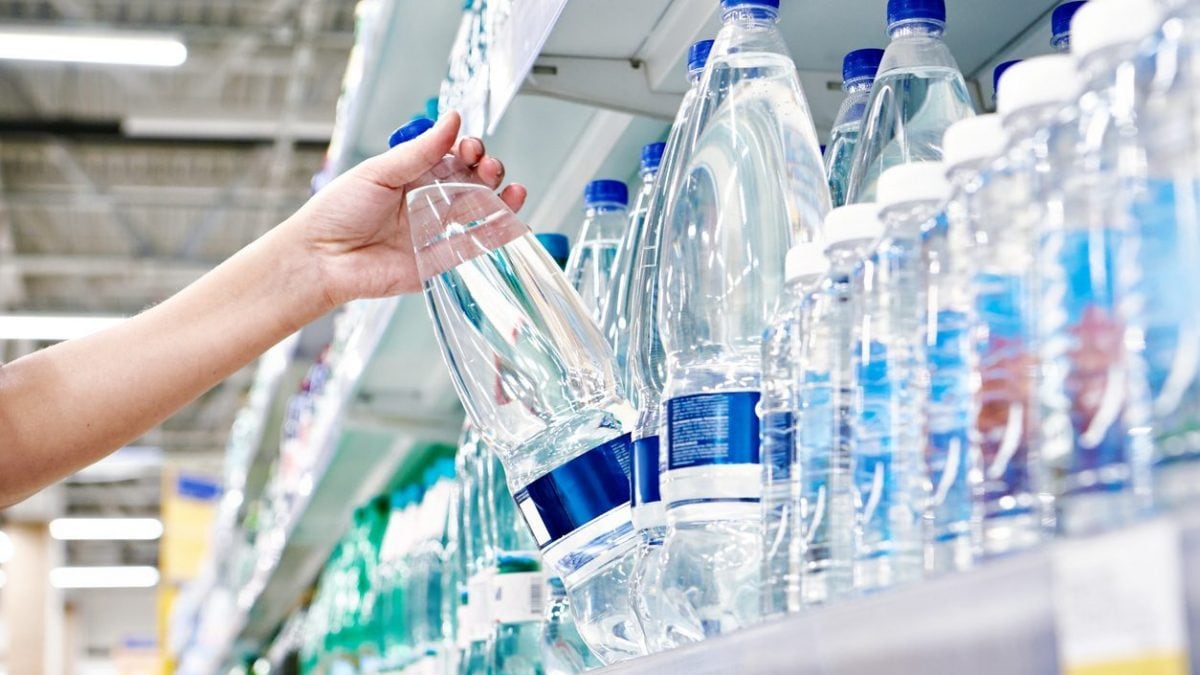
Let's always remember that water is a precious resource that should never be wasted and, indeed, should be used and valued with virtuous practices. The choice on supermarket shelves seems endless: sparkling, still, effervescent, with varying degrees of mineral content. One detail that's probably overlooked is its preservation: in itself, it's a product that doesn't spoil, but if you look carefully, you'll find a date on the bottles. Let's see what it says and why it's worth respecting.
Does Water Expire or Not?
Among the foods we buy, we know that some are highly perishable, for example, fresh ones like milk, fruit, or vegetables, while others last longer, like flour, sugar, pasta, or honey. When we buy water, we probably rarely consider its shelf life, as we consume it quickly, without worrying about whether or not it has an expiration date. Water does not actually expire because it doesn't contain elements, like proteins or fats, that progressively deteriorate, but if stored improperly, it can deteriorate and no longer be "good."
What Does the Date on The Bottle Indicate and Why Is It Mandatory?
By law, all products require transparency for the customer: even water packaging is labeled. In addition to various nutritional and traceability information, a date is also indicated, with the words "best before…". This is the best-by, which means that after that period, the contents can no longer be guaranteed to maintain their original organoleptic characteristics, including taste, consistency, smell, and properties. This is a requirement because the water is contained in a container, and it is precisely the material the container is made of that can cause a change in the water, especially when it comes to plastic bottles.

How Does Water Change Over Time?
Typically, traditional plastic bottles last two years. This is to protect consumers from a potential loss of water quality due to the deterioration of PET (polyethylene terephthalate), the thermoplastic resin from which the vast majority of packaging is made. This plastic can release a volatile chemical called acetaldehyde, which contaminates the water, compromising its characteristics. As demonstrated in the laboratory, this does not have any negative health consequences, as the levels studied so far remain within the threshold established, but the substance tends to alter the taste of the water, making it sweeter and less pleasant.
;Resize,width=767;)
