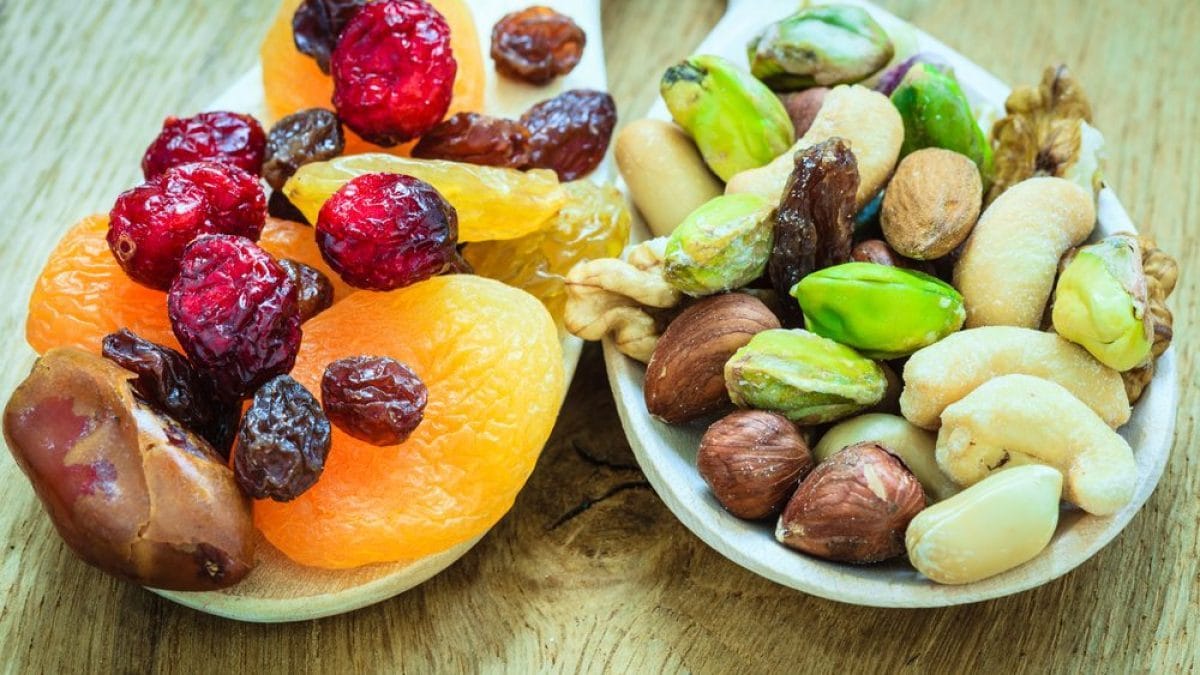
In the vast panorama of foods (even doing a standard online search), dried fruit and dehydrated fruit are often confused, considering the terms overlap. But this is not the case, because they are two very distinct food categories: hazelnuts, almonds, walnuts, and pistachios are oilseeds (from the same group as sunflower, pumpkin, flaxseeds, etc.), while dried fruit, including apricots, plums, and berries, has undergone a drying process that has stripped them of up to 90% of their water content. The former has a crunchy texture, the latter chewier, and their nutritional values also differ: dried fruit is rich in good, unsaturated fats, while dried fruit is characterized by being sugary, but with a good concentration of minerals. Both are high in calories, which is why they should be consumed sparingly: introducing them into the diet, however, is beneficial. Let's get to know them better.
Dried and Dehydrated Fruit Are Not The Same Thing
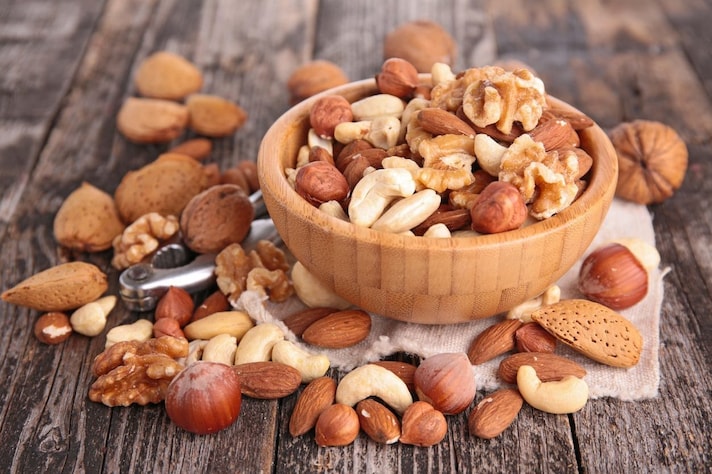
The first major distinction between nuts and dehydrated fruit lies in their respective origins and composition. Nuts, such as walnuts, almonds, pistachios, hazelnuts, but also cashews and pecans, are naturally water-free foods that belong to the oilseed category and are also called tree nuts, where the edible seed is contained within a coating. They are rich in unsaturated fats, essential for cardiovascular health, and provide plant-based protein, fiber, and a good amount of minerals such as magnesium, phosphorus, and potassium. Guidelines generally recommend small portions of 20-30 grams, spread over 2 or 3 days during the week, perhaps for breakfast or as a mid-morning or afternoon snack. Their energy density makes them ideal for those who need a sustained calorie intake, such as athletes or people who engage in intense physical activity. In cooking, dried fruit is used to add a crunchy touch, as a garnish or in dessert dough, and when blended or crushed, the oily side adds a creamy texture—think of Genoese pesto with pine nuts or hazelnut and chocolate spread. A detail that perhaps not everyone knows: peanuts, although included in this "family," are actually legumes.
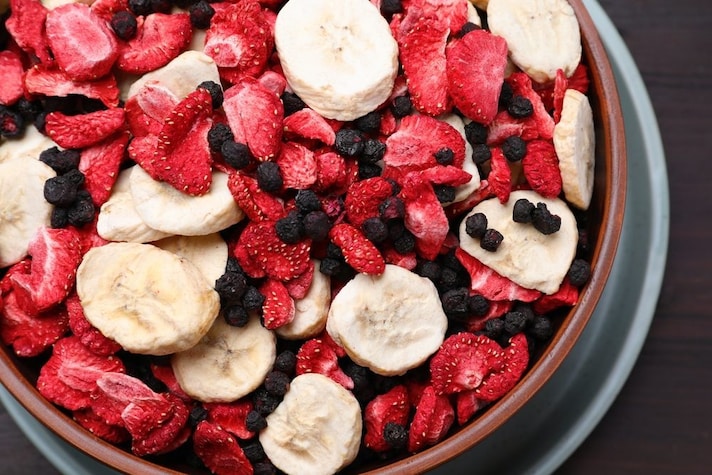
Dehydrated fruit, on the other hand, is obtained from a specific processing of fresh fruit such as bananas, plums, apricots, apples, figs, kiwis, red fruits (such as blueberries, currants), dates, mangoes, raisins, and citrus fruits. The dehydration or drying process —so much so that dehydrated fruit and dried fruit are synonymous—can remove up to 90% of the water, concentrating sugars, mineral salts, and fiber, but partially degrading vitamins, as the process occurs through exposure to the sun (as was done in the past as a method of preservation) and to the heat of home and industrial dehydrators. These foods are distinguished by their natural sweetness, intense flavor, lighter weight, and longer shelf life compared to their fresh counterparts, thanks to the low percentage of residual water. The consistency is often soft or chewy, and pleasant aromatic notes are evident: depending on the type, dried fruit is perfect for rehydrating in alcoholic beverages or healthy smoothies, for flavoring cake mixes; it enriches salads or breakfast muesli, and can also be used as an accompaniment or filling for roast meats.
Nutritional Values Differences
From a nutritional standpoint, we've seen that nuts and dried fruit have different profiles. Dried fruit is a primary source of so-called good fats (including omega-3s), which make up up to 70% of its weight, along with protein, fiber, and folate. Its calorie intake is very high, averaging 600 kcal per 100 grams. Despite this, proper consumption makes it a valuable food, capable of lowering bad cholesterol (LDL) levels in the blood. When purchasing, choose those without added salt or sugar.
Dried fruit is characterized by a high percentage of natural sugars (especially fructose), which can reach up to 60-70% of the total weight. Calories are around 300-400 kcal per 100 grams. They are certainly not a diet food, but at the same time they contain micronutrients important for health, particularly minerals such as potassium, magnesium, phosphorus, and iron, which are preserved by the drying process, while water-soluble vitamins, especially vitamin C, tend to degrade at high temperatures. Here too, be careful where you buy: to introduce dried fruit healthily into your diet, avoid glazed or caramelized fruit, which therefore contains additional sugar.
;Resize,width=767;)
