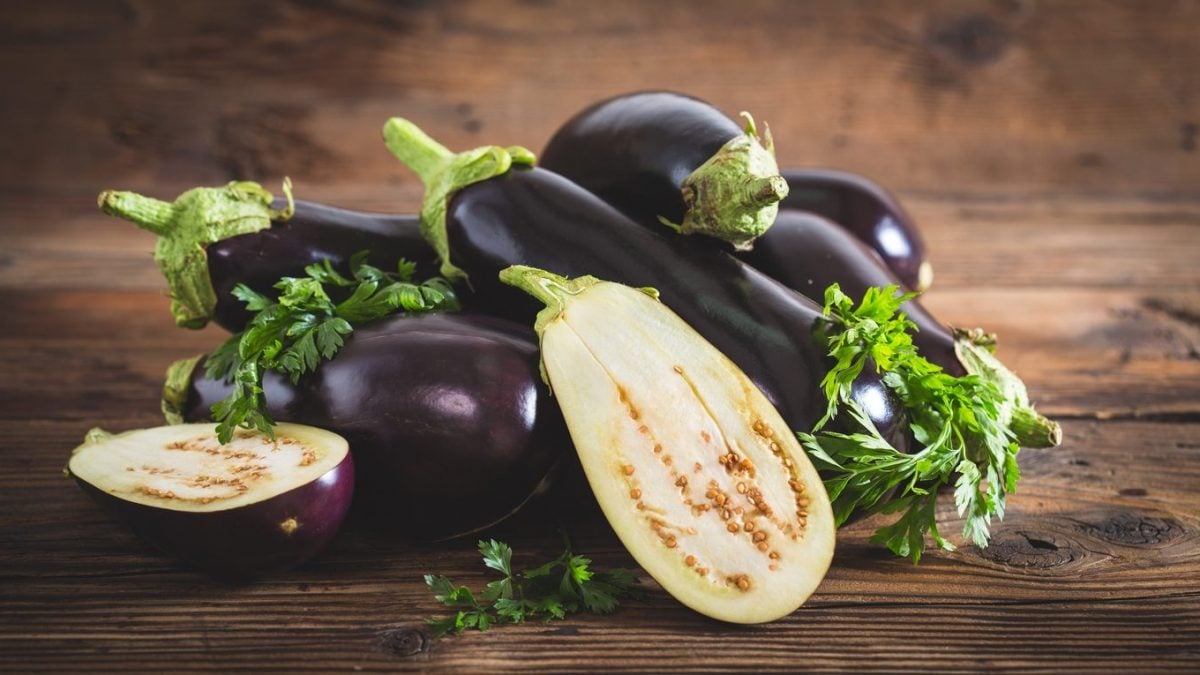
Once called "unhealthy apples" because they were considered harmful, eggplants have finally gotten their revenge. An undisputed symbol of Mediterranean cuisine, they are among the most beloved and celebrated summer vegetables on our seasonal menus: not only for their flavor and versatility, which they demonstrate in any traditional Italian recipe, but also for their numerous beneficial properties. Belonging to the Solanaceae family, the same as tomatoes, peppers, and potatoes, they are botanically a fruit, but nutritionally they should be considered like any other vegetable.
Light, rich in water, and with a low glycemic index, they are a high -volume, satiating food, ideal for those who want to follow a healthy, balanced diet or shed a few extra pounds. Their high fiber content makes them a valuable ally in cases of constipation or bloating, while their presence in important micronutrients, particularly potassium, phosphorus, and vitamin C—a true antioxidant shield —must be served in the right quantities and at the right times.
Eggplant's Nutritional Properties
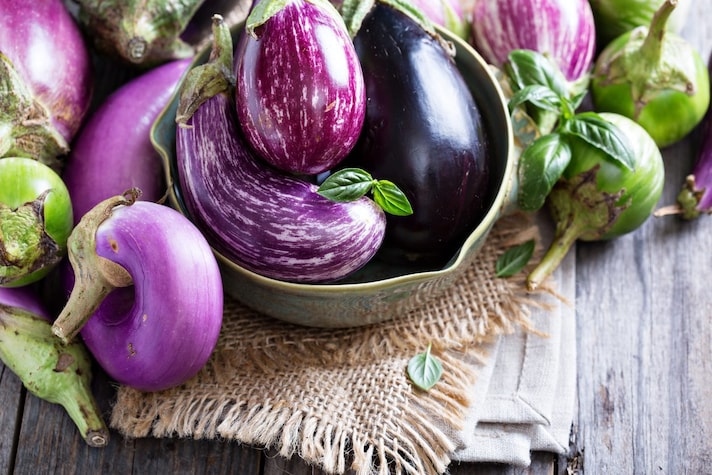
Let's dispel a botanical myth right away: eggplants are actually a fruit. To be precise, they are a berry that belongs to the same family as tomatoes, peppers, and potatoes, the so-called Solanaceae. However, analyzing their nutritional values, we note that they behave in all respects like a vegetable: they are very light – just 18 calories per 100 grams – rich in water and fiber, and free of complex sugars. "This is why we eat them at the table and treat them like a common vegetable," explains Gabrielli.
Botany aside, they're the undisputed queens of our summer menus, thanks to their meaty texture and distinctive, bold flavor. Nutritionally, they're the classic "volumetric" food with a high satiating power. What does that mean? "They basically fill your plate and fill you up with very few calories," the expert continues. This is thanks to a decidedly figure-friendly composition: over 92 percent water, almost nonexistent fat, and very few carbohydrates and proteins. Of course, there's no trace of fat.
However, this light profile hides a treasure trove of useful micronutrients: they are a concentrate of potassium, a fundamental mineral especially in the summer to combat fatigue and drops in blood pressure, but also phosphorus and magnesium; they contain good doses of vitamins C and B complex – such as folate – and are a veritable treasure trove of fiber, useful for regulating the intestines, preventing constipation and keeping hunger at bay.
This is why eggplants are a valuable companion not only for those seeking a healthy and balanced diet, but also for those seeking to shed a few extra pounds. Furthermore, their plant fibers, forming a sort of gel, slow the absorption of sugars and contribute to better and gentler blood sugar regulation.
Eggplants' Benefits
Their exceptional nutritional profile and richness in water, fiber, and micronutrients make them valuable allies for health and a slimmer waistline. Here are the main benefits:
- antioxidant shield; the dark purple color of the peel is not only aesthetically spectacular, but indicates the massive presence of anthocyanins, particularly nasunin. "They are powerful antioxidants that protect cells from damage caused by free radicals and aging;
- Controlling blood sugar and cholesterol; eggplant fibers perform a truly interesting job: in the stomach, they create a kind of gel that slows the absorption of sugars into the blood and "traps" some of the fats in the meal, helping the body eliminate them. This mechanism positively influences metabolism and helps maintain more stable blood sugar and cholesterol levels as part of a varied and balanced diet.
- great satiating power: precisely because they are particularly rich in water and vegetable fibers, these vegetables dilate the walls of the stomach and immediately send the signal of fullness and satisfaction to the brain;
- natural tonic: thanks to the abundant presence of potassium, a fundamental "lifesaver" for combating tiredness and drops in blood pressure, especially in summer, but also of phosphorus, magnesium and calcium.
Can Eggplants Be Eaten Raw?
Eggplants should not be eaten raw. Like other vegetables and tubers belonging to the Solanaceae family, they contain solanine, a toxic substance the plant produces to defend itself from parasites and fungi. "If you eat them raw, you risk unpleasant side effects such as nausea, vomiting, stomach cramps, and headaches," our expert points out.
Fortunately, the problem is easily solved by cooking. "Solanine is thermolabile," Gabrielli continues, "which means that heat degrades it, reducing its concentration to levels considered safe for consumption."
Should we peel them? Contrary to popular belief, it's not necessary; in fact, that's where most of the antioxidants are concentrated. The only precaution is to wash them well before use and make sure to cook them thoroughly.
The choice of whether or not to peel them can depend solely on a matter of taste or culinary needs: the peel, in fact, contains the most bitter and pungent component of the vegetable and can be less pleasant in preparations that require a particularly delicate, soft, and creamy consistency. "If you're preparing recipes in which you're looking for a very sweet, smooth, and melt-in-your-mouth pulp, like a cream soup, meatballs, or the classic eggplant cream like babaganoush, then yes, it's worth peeling it. Otherwise, just leave it," concludes the nutritionist.
How to Choose Seasonal Eggplants and Recommended Cooking Methods
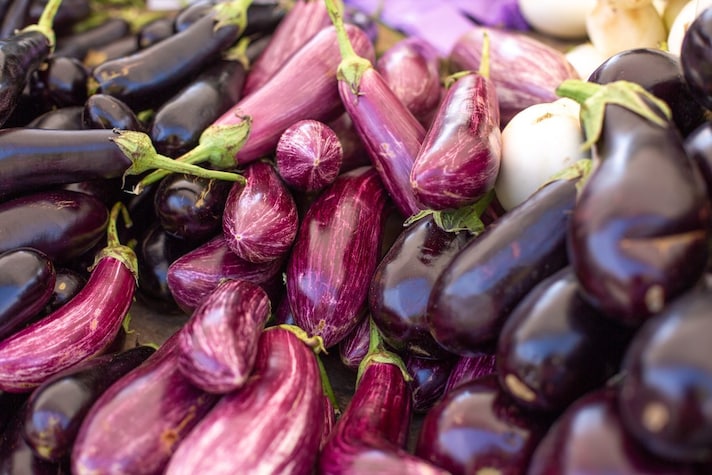
The true eggplant season runs from June to October. For a safe and, above all, informed purchase, it's important to pay attention to three elements:
- the peel; this must be taut, shiny and smooth; if you notice wrinkles or soft areas, it means the aubergines are old and it is best not to buy them;
- the stalk: it must be bright green and firm; if it is dry or brown, those vegetables have been on the shelf for too many days;
- Texture: Press the eggplant lightly with your thumb. It should be firm but pliable; if it's rock-hard, it's underripe (and contains more solanine); if it sinks and leaves a mark, it's overripe and full of bitter seeds.
Given that eggplants should always be cooked, what are the best techniques? These vegetables act like "sponges," so they tend to absorb large amounts of oil, turning a light dish into a calorie bomb. For this reason, frying should be avoided, as well as any recipes that use a generous amount of oil.
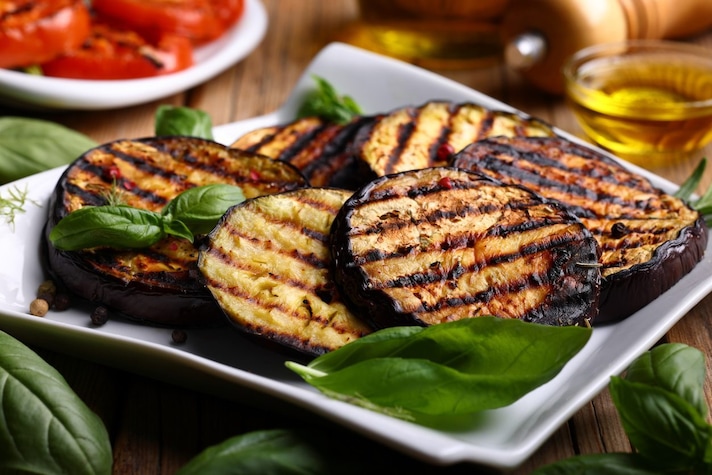
It's best to grill them or cook them on a hot griddle. Simply wash them thoroughly, clean them, and slice them. Before cooking, you can salt them for about 30 minutes to help them lose some of their moisture and eliminate their characteristic bitter, pungent aftertaste. Once cooked, simply season them with a drizzle of extra virgin olive oil, a pinch of salt, chopped mint leaves, and, if desired, a clove of garlic and some sliced chili pepper. In just a few minutes, you'll have a classic and ever-popular summer side dish, perfect with any grilled meat or fish.
After piercing them with a fork, you can cook them whole and with their skins on in the oven or in an air fryer: once they're tender, you can scoop out the sweet, creamy flesh and use it to create light and delicious vegetable sauces and creams. You can also slice them, sprinkle them with a little breadcrumbs, a drizzle of oil, and a pinch of salt, and bake them until they're beautifully browned and irresistible.
Finally, you can dice them and quickly sauté them with cherry tomatoes, a drizzle of oil, a pinch of salt, and a splash of water, so they wilt without frying. Once ready, you can serve them as a side dish or use them to season a pasta dish or a grain salad, such as barley, farro, or quinoa.
Versatile, nutritious, and low in calories, eggplants are one of the iconic vegetables of the Mediterranean summer. Include them regularly in your diet and enjoy them only after cooking them thoroughly: this way, they offer numerous benefits for the gut, metabolism, and overall health.
;Resize,width=767;)
