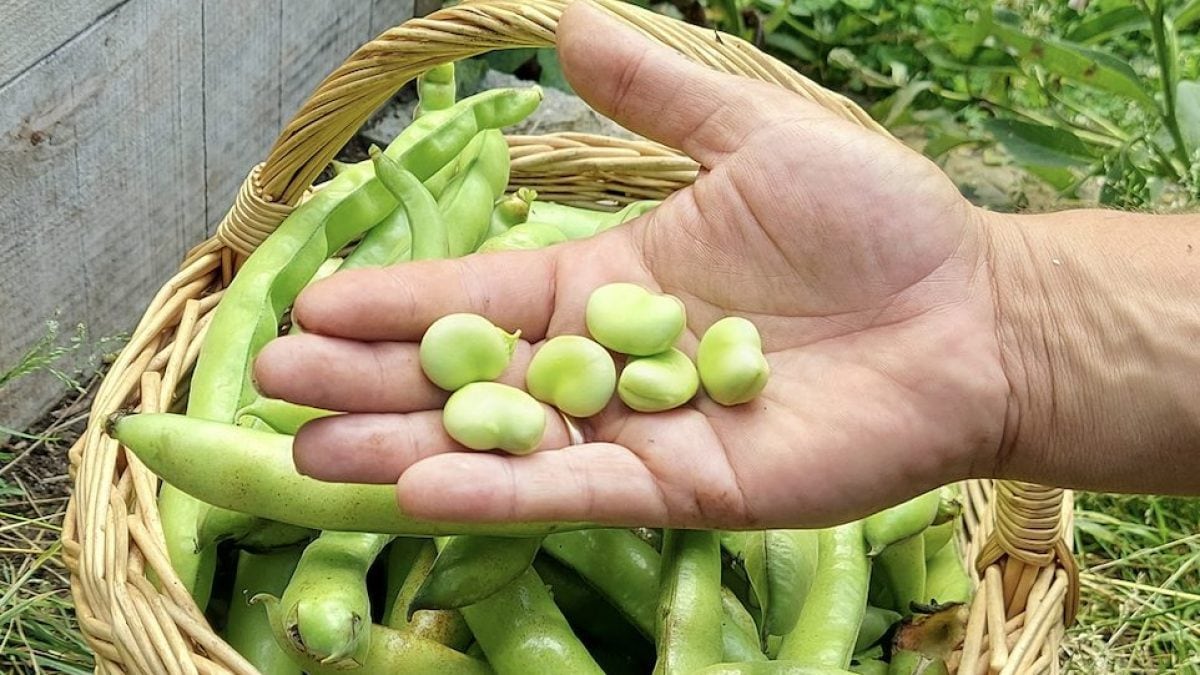
The undisputed queens of spring, fava beans (or broad beans) are among the most versatile legumes: packed with precious benefits for your body and the protagonists of countless recipes. Early harvested, therefore fresh and tender, they are perfect for brightening up lunches and picnics: they reveal their sweetest side when paired with cured meats and especially with fresh pecorino cheese. Once cooked, however, they give life to simple and delicious recipes, mostly belonging to rural tradition, or to contemporary and creative reinterpretations. The fresh ones in particular are rich in precious nutrients: here are which ones in detail.
Where Do Fava Beans Come From?
Native to Asia Minor, the fava bean plant —belonging to the Fabaceae family —has an erect, herbaceous stem, sparsely branched, and up to 1 meter tall. The fruit is a large, flattened legume, up to 30 centimeters long, containing these tasty, kidney-shaped seeds, varying in size and color depending on the variety.
Harvest takes place from April to June. In the U.S., the most commonly available varieties of fava beans include “Broad Windsor”, known for its large, thick pods and hearty texture, and “Aquadulce”, a popular variety in many gardens due to its adaptability and high yield. Another variety, “Windsor”, is also widely cultivated, with large seeds and a slightly sweeter taste. “Fava Bean De Nizza”, commonly grown in California, is appreciated for its tender texture and rich flavor.

Among the oldest legumes in Europe, second only to lentils, broad beans were widely consumed by both the Greeks and Romans. Interestingly, Aristotle recommended their use, while Pythagoras, the first important vegetarian in Western culture, forbade them to his disciples. This was because the dark spots on broad bean flowers were considered symbols of the presence of the souls of the dead and, therefore, signs of hell.
Fava Beans' Properties and Benefits
Not only tasty but also a true elixir of well-being. These precious legumes contain an excellent quantity of vegetable fiber and protein (qualitatively superior to beans). Low in fat and rich in water, they are also perfect for those watching their weight or following a low-calorie diet (100 grams of fresh broad beans provide approximately 72 calories). But it doesn't end there: broad beans are also an excellent source of mineral salts, especially iron, potassium, magnesium, copper, and selenium, and vitamins (particularly vitamin A, K, and folate). Thanks to their precious nutrients, broad beans provide a series of important benefits. Here are some of them:
1. They Fight Anemia
Broad beans contain a good quantity of iron (about 1.55 mg per 100 grams), an essential mineral for promoting the proper functioning of the body and the immune system.
2. They Eliminate Waste and Toxins
The high content of vegetable fiber and water helps intestinal motility and supports kidney function. For these reasons, they prove to be the right ally in cases of constipation or water retention.
3. They Lower Cholesterol
The credit always goes to the plant fibers, which broad beans are rich in. These precious nutrients, in fact, support cardiovascular health and stabilize blood cholesterol levels. They are said to be particularly effective in reducing LDL cholesterol, preventing the onset of diseases such as heart attacks and strokes.
4. They Prevent Diabetes
The presence of magnesium and, surprisingly, fiber helps stabilize blood sugar levels. Consuming fava beans is therefore recommended for those with diabetes or hyperglycemia.
5. They Protect Bones
Calcium and manganese, the latter essential for supporting the functionality of the nervous, endocrine and immune systems, protect our skeletal system and prevent arthritis and osteoporosis.
6. They Help The Brain
Broad beans, especially the immature ones, contain Levodopa, a precursor of some substances present in the brain and essential for the well-being of the neurological system (this same substance is present as an active ingredient in the main drugs used to treat Parkinson's disease).
7. Excellent Source of Protein
100 grams of fresh fava beans contain about 5.2 grams of protein. Of this, about 30% is rich in lysine, an essential amino acid important for the functioning of the human body.
8. Protect Your Weight
Rich in water and low in fat and carbohydrates, fava beans are ideal for those following a healthy diet or trying to lose weight. Paired with a serving of rice or another grain, preferably whole grain, they create a complete and nutritionally balanced one-pot meal.

Fava Beans' Contraindications
Those suffering from favism, a hereditary disease that inhibits the production of an enzyme called glucose-6-phosphate dehydrogenase, essential for neutralizing the negative effects of certain substances found in these legumes, must absolutely avoid eating them. The reduction or malfunction of this enzyme carries the risk, under certain conditions, of acute non-immune anemia, which involves the sudden destruction of red blood cells. Those suffering from favism, known as "fabic," must abstain from eating other foods, such as peas and verbena, and certain medications, in addition to fava beans.
Fava beans contain oxalates, which can contribute to the formation of kidney stones, especially in predisposed individuals. Those with a history of kidney stones should limit their consumption or consult a doctor. They are also high in complex carbohydrates and fiber, which can cause bloating, gas, and flatulence in some people. Introducing them gradually into your diet and drinking plenty of water can help reduce these effects.
;Resize,width=767;)
