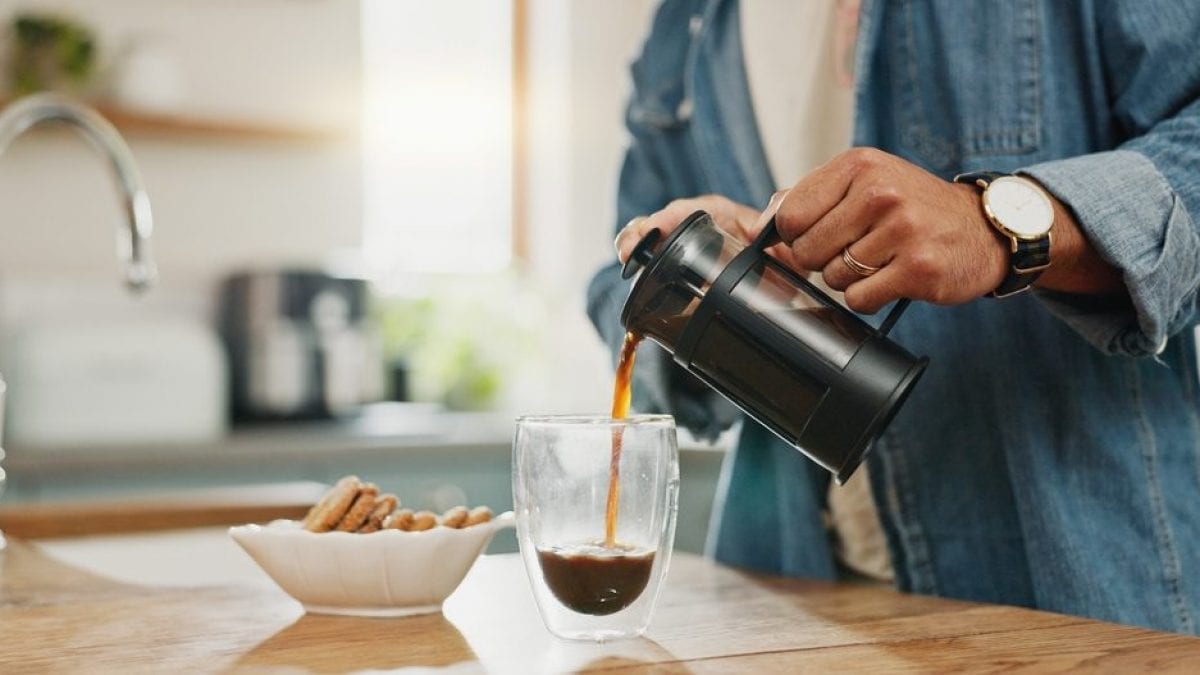
Coffee time has become an unmissable event globally, not only for the pleasure of enjoying the celebrated beverage but also because it's a chance to dedicate a moment to ourselves, a chance to take a break or chat. Coffee is also used as an energy boost thanks to the presence of caffeine, the beverage's most well-known component, appreciated for its stimulant properties that can help improve concentration and vitality (though it's best not to overdo it).
However, the amount of caffeine in a cup of coffee can vary significantly depending on several factors. There's a widespread misconception that a strong coffee contains more caffeine than a less concentrated, longer-brewed coffee, such as an Americano. This is actually completely incorrect. Given that the factors that determine the amount of caffeine in a cup of coffee are different, starting with the type of bean used and the way it's processed, much depends on the amount of water and the extraction time used to prepare the coffee. In light of this revelation, does a longer-brewed coffee really contain less caffeine than a concentrated coffee? Is there really a coffee that contains less caffeine than others, and what does this depend on? It's time to clarify.
What Does the Amount of Caffein in Coffee Depend On?
There are several factors to consider when evaluating the amount of caffeine present in coffee, and one of the very first to take into consideration is the origin of the processing of the powder that you will then use to obtain your drink, in particular the variety of plant from which the bean is harvested, the type of roasting of the bean, and the type of grinding it undergoes.
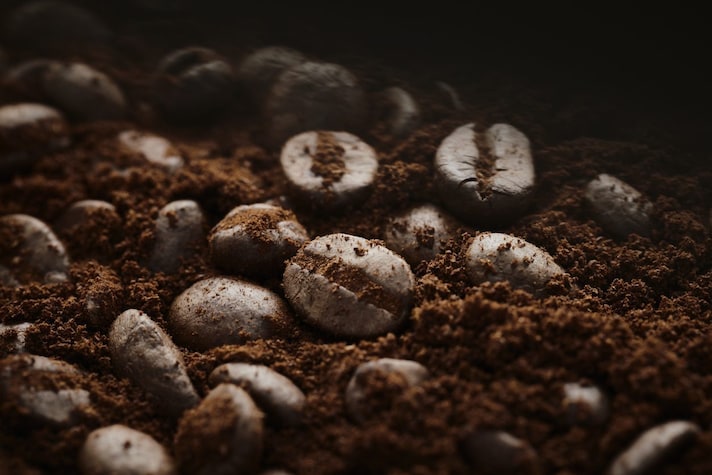
Coffee beans aren't all the same; they're mainly divided into two types: Robusta beans contain about twice as much caffeine as Arabica beans, so this already affects the amount of caffeine in your cup, which directly depends on the type of bean used. Within these two large families, there are further varieties with varying levels of caffeine, but in general, we can say that 1-2% of the weight of the Arabica bean is caffeine, and a whopping 2-4% for Robusta.
Let's move on to the second phase, roasting, a determining factor for the flavor of coffee but also for the amount of caffeine present. Contrary to what you might think, darker beans, which have undergone a longer roasting process, tend to have a slightly lower amount of caffeine than lighter beans due to the degradation of caffeine that occurs with the prolonged heat during the roasting process, known as pyrolysis. So be careful: the roasted, bitter, and intense flavor of coffee, generally defined as "stronger," is not a factor that indicates the presence of caffeine; in fact, the opposite: it indicates a more thoroughly roasted bean and therefore a lower amount of this substance.
Finally, there's the grinding step to consider: the finer the coffee grounds, the higher the caffeine content. The reason is closely related to preparation: a very fine grind increases the surface area of contact between the water and the coffee, slowing the passage of water and allowing for a more complete and prolonged extraction of soluble substances, including caffeine, which is thus dissolved in greater quantities in the cup. Conversely, a coarse grind reduces the amount of caffeine extracted because the water passes too quickly through the grounds, not having enough time to extract the soluble compounds, including caffeine.
Other Factors That Affect the Presence of Caffeine
Coffee variety, bean roasting, and grind type are certainly key factors in determining the amount of caffeine in your cup of coffee, but they're not the only ones: there are other factors that significantly impact the amount of caffeine in the beverage, factors primarily related to how the coffee is prepared. The ratio of water to coffee, in this sense, is crucial: the greater the amount of coffee used compared to water, the higher the concentration of caffeine in the final beverage, but this alone isn't enough to assess how much caffeine is in your coffee. Also crucial are the temperature and brewing time, two factors that particularly influence the amount of caffeine extracted during the preparation phase: hotter water and a longer brewing time extract more caffeine from the coffee beans, significantly impacting the amount of caffeine in your cup.
Which Type of Coffee Provides More Caffeine (And Why)
At this point, you understand how the coffee preparation method plays a crucial role in the amount of caffeine present in coffee, so let's return to the initial question: is it true that a shorter, more concentrated coffee contains more caffeine than a very long coffee, such as an Americano? In light of what has been explained, it's easy to understand that this isn't the case: a long coffee, which appears less intense, more "watered down," and less full-bodied, actually contains a higher amount of caffeine than a short coffee because it uses a greater amount of water and a longer brewing time, all factors that result in a loss of flavor intensity, but a greater presence of caffeine.
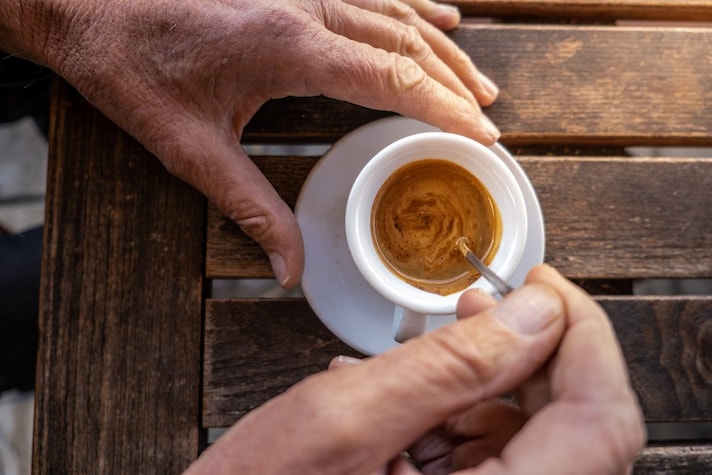
Yet, on paper, espresso coffee contains between 30 and 50 milligrams of caffeine per ounce (about 30 milligrams, the equivalent of a cup) while American coffee contains between 8 and 15 milligrams per ounce: in theory, therefore, espresso coffee contains more caffeine than American coffee but, on closer inspection, there is a misunderstanding that needs to be clarified. When we drink an espresso, we consume only one ounce, about 30 ml, while when we sip an American coffee, we consume about eight ounces, about 240-250 ml. If mathematics is anything to go by, it is clear that for the same quantity, espresso is richer in caffeine but, in fact, we consume more caffeine with a cup of American coffee.
The same applies when comparing espresso to coffees prepared using other methods, such as filter coffee, which is prepared by pouring hot water over ground coffee and collecting the resulting liquid in a carafe with the help of a filter. Pressurized espresso has a higher amount of caffeine than filtered espresso, but since espresso portions are generally smaller, the total amount of caffeine per cup may be lower than that of a cup of filtered coffee.
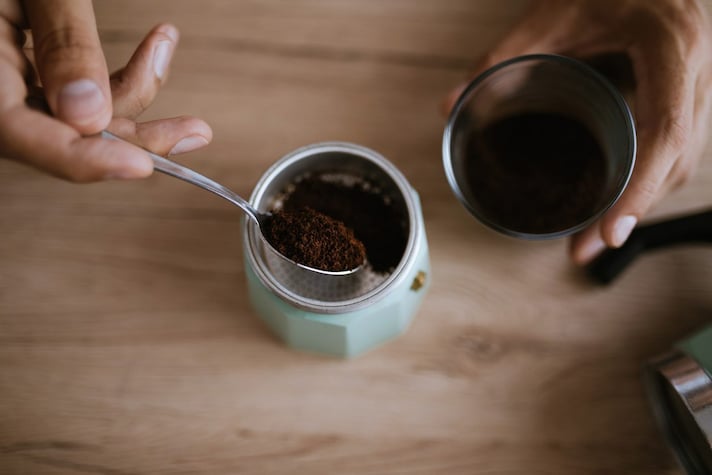
Is it coffee prepared with a moka pot? This is the type of preparation that yields the highest concentration of caffeine in the glass, because the contact time between hot water and coffee powder is longer, allowing for greater extraction of the alkaloid. Furthermore, as with Americano and filter coffee, the quantity served is greater than that of espresso, making it therefore more caffeinated than the classic espresso "from the bar".
So to summarize, depending on the preparation method (regardless of the type of blend used), these are the average quantities of caffeine per serving:
- Coffee prepared with a moka pot: 100-150 mg per cup.
- Americano/filtered coffee: 95-120 mg per 240 ml cup.
- Espresso: 60-80 mg per cup.
- Espresso ristretto/short coffee: less caffeine than regular espresso, but more concentrated.
- Decaffeinated: 2-5 mg per serving, almost completely caffeine-free.
;Resize,width=767;)
