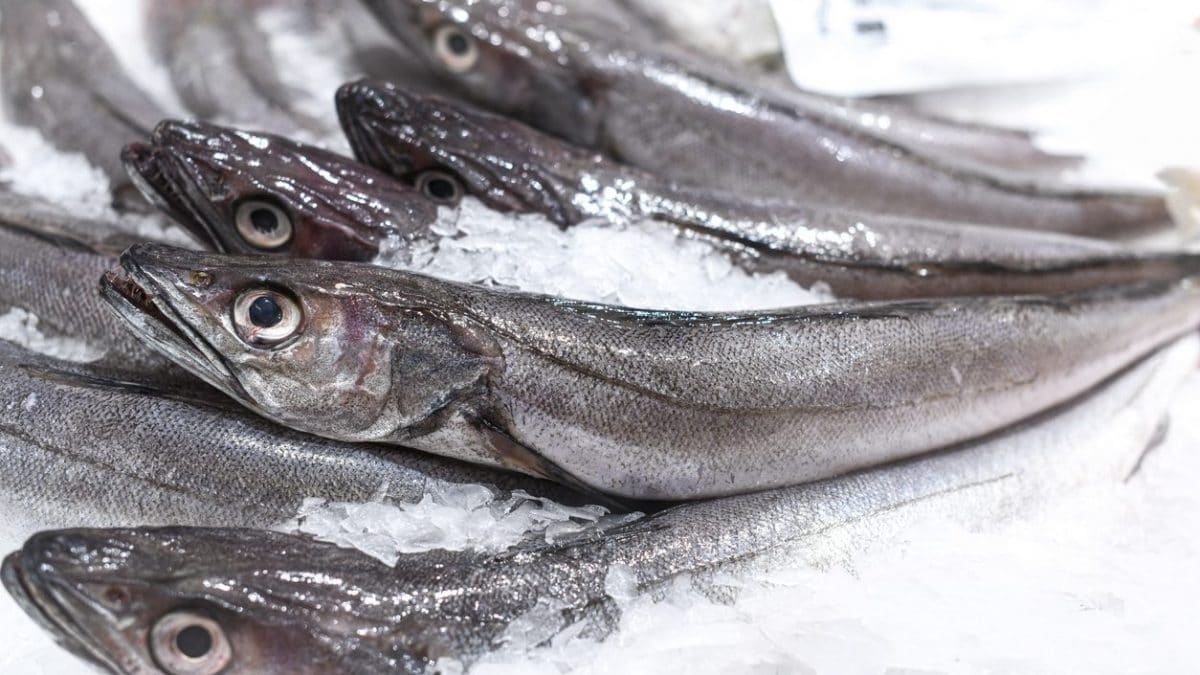
Hake is one of the most common sea fish on global tables, associated with simple, everyday, and sometimes uninspiring cuisine. Being lean, digestible, and light, it is often recommended in low-calorie diets and as a food suitable for children and the elderly, with taste taking a backseat. In fact, all its nutritional benefits can be exploited in delicious recipes, such as baked hake or pan-fried hake, preparations that make it a real all-rounder. It can be found fresh at fishmongers, although it is much more common to find it frozen, in convenient fillets or ready-to-use slices. Let's discover what hake is and its benefits.
What is Hake?
The scientific name of hake is Merluccius merluccius and it belongs to the order Gadiformes, just like cod. It is therefore no coincidence that it is also marketed under this name, risking confusion in particular with the Nordic cod, or Gadus morhua, from which stockfish and cod are obtained. When purchasing, therefore, it is important to read the label carefully, even though the nutritional values of the two fish are very similar. Merluccius merluccius, also known as European hake, lives mainly in the Mediterranean and the eastern Atlantic. From a morphological point of view, it has a long and slender body, with a proportionally larger head than the rest, equipped with a mouth with hard, pointed teeth. The coloration is silvery-grey on the back, lighter on the sides and white on the belly. It is a predator that eats small fish, crustaceans and mollusks, foods that affect the quality of its meat, which is tender, delicate and has a neutral flavor, a characteristic that makes it very versatile in the kitchen.

Hake's Properties and Benefits
Hake stands out as one of the leanest and most digestible fish commonly consumed in the world, both fresh and frozen. It is composed primarily of high-quality proteins, has a decidedly low amount of lipids (between 0.5 and 0.9 grams in a 150-gram portion), and its calories are between 106 and 112 kcal per 150 grams, making it suitable for those following low-calorie diets. It provides B vitamins, particularly B12 and niacin, as well as minerals such as phosphorus, potassium, selenium, and omega-3, all elements that promote proper body function. We could say that hake is highly prized precisely for being a light fish, suitable for all ages, and easy to cook: here are its main benefits.
Highly Digestible and Suitable for All Ages
One of hake's greatest strengths is its high digestibility, which it shares with most white fish. Its low fat content and high biological value of protein make it easily assimilated, even by those with slow digestion or gastrointestinal sensitivity. For this reason, it is often recommended in the diet of children, the elderly, and those recovering from illnesses.
Natural Metabolism Support
Hake provides B vitamins, especially B12 and niacin, which play a central role in the processes of transforming food into energy and in the functioning of the nervous system. A regular intake of these vitamins helps reduce tiredness and fatigue and supports cognitive function.

A Help for Bones and Muscles
Among the minerals present in hake, phosphorus and potassium stand out. Phosphorus is essential for healthy bones and teeth and participates in cellular energy production, while potassium contributes to normal muscle function and the transmission of nerve impulses. Added to these is selenium, a micronutrient with antioxidant action, important for the immune system and the thyroid.
Ally of The Heart
Hake contains a good amount of polyunsaturated fatty acids, including omega-3. Its consumption helps maintain a balanced lipid profile, keeping blood cholesterol under control and reducing the risk of cardiovascular disease, provided it is included in a healthy diet.
Hake's Contraindications
Another positive aspect of hake is that it has no particular contraindications and is generally considered safe. One aspect to consider is the potential contamination by anisakis, given that it is one of the fish species in which this parasite, harmful to human health, can nest. A recent study published in Food and Waterborne Parasitology highlighted this potential danger: 15 hake caught off the coast of southeastern Ireland were all infested with anisakis larvae, with the ventral area more infected than the others. Proper handling of the fish (cleaning and gutting) eliminates or significantly reduces this risk, as does cooking (above 140°F/60°C at the core) and freezing if consumed raw.

How to Use Hake in Cooking
As mentioned, hake is one of the easiest fish to cook. It can be purchased whole, in slices, or even filleted, a practical solution that makes it easy to use on a daily basis. Before cooking, if fresh and whole, it should be gutted, scaled, and thoroughly washed, while fillets only require a final check for any remaining bones. Frozen slices and fillets are ready to use: they are generally cooked directly without thawing, thus saving time. Its delicate, neutral, white flesh lends itself to quick and easy cooking: steamed, baked, pan-fried, or stewed, it pairs perfectly with fresh, fragrant Mediterranean condiments such as tomatoes, olives, capers, citrus fruits, spices, and aromatic herbs, both as a main course and as an ingredient in fish soups. There's also room for imagination: just like with cod, you can use its flesh to create tasty fish meatballs or burgers, as well as use it as a filling for fresh pasta ravioli, mixing it with salt, ricotta and grated lemon zest.
;Resize,width=767;)
