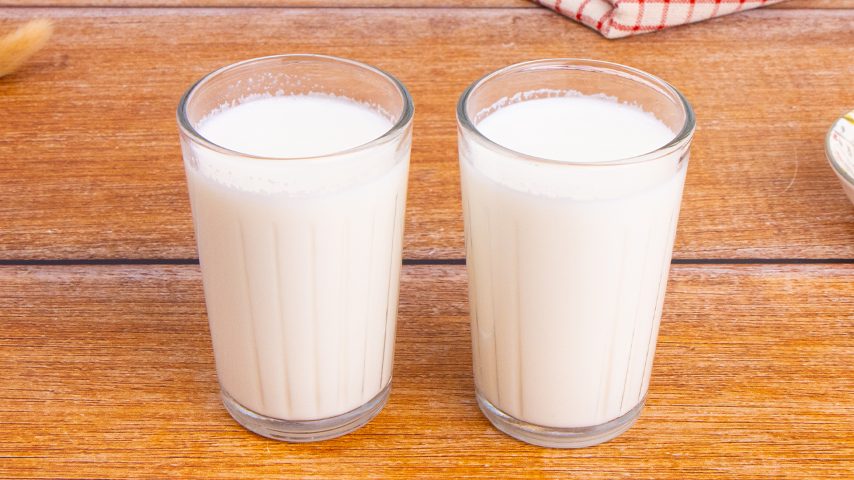
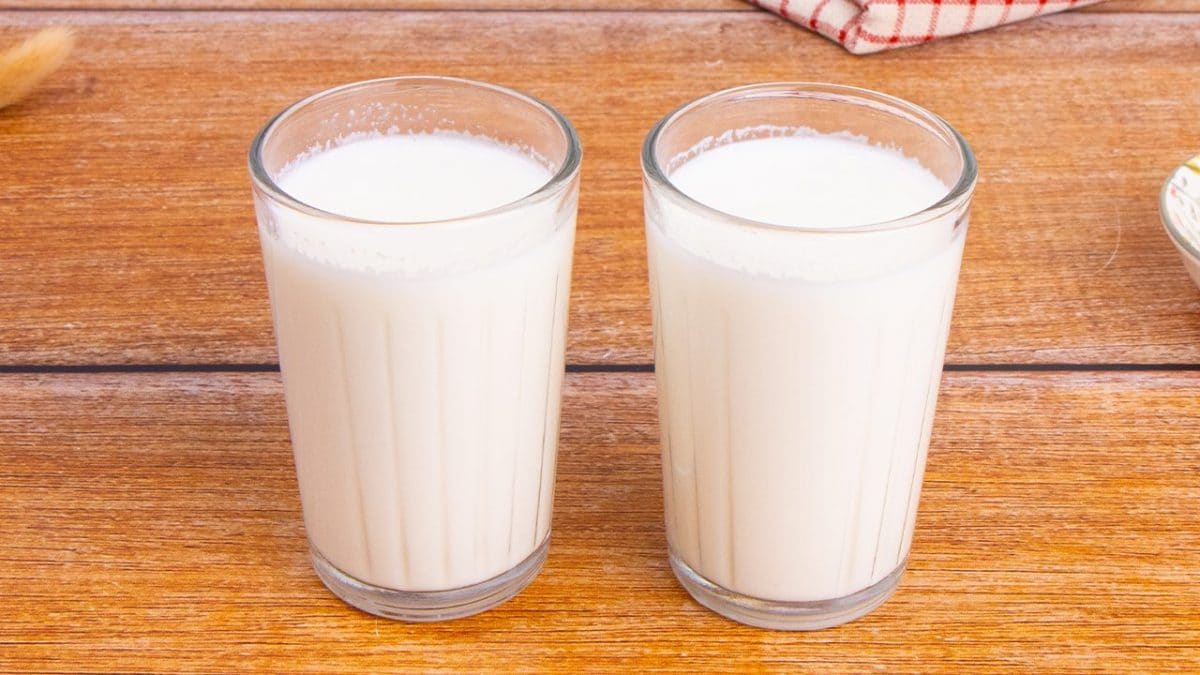
Milk Kefir is a naturally fermented drink with a creamy texture and a slightly tangy flavor. Made by fermenting milk with kefir grains, this traditional beverage is simple to prepare at home and can be enjoyed on its own or used in smoothies, breakfast bowls, and recipes.
Known around the world as a fermented dairy drink, kefir is appreciated for its refreshing taste and unique preparation process that transforms ordinary milk into a cultured beverage.
Why Everyone Will Love This Recipe
Homemade milk kefir is loved for its smooth consistency, fresh flavor, and versatility. Unlike many store-bought fermented drinks, making kefir at home allows you to control the ingredients and enjoy a naturally prepared beverage.
It’s also incredibly simple to prepare. With only milk and kefir grains, you can create a homemade drink that can become part of your daily breakfast routine or a refreshing snack.
What Is Milk Kefir?
Milk Kefir is a traditional fermented dairy drink made by combining milk with kefir grains, a culture made of beneficial bacteria and yeasts held together in a natural matrix. The fermentation process transforms the milk, creating a slightly tangy beverage with a texture similar to drinkable yogurt.
Kefir has ancient roots in the Caucasus region, where it was traditionally prepared by fermenting milk in animal-skin bags or containers. Over time, it spread throughout Eastern Europe and beyond, becoming appreciated worldwide as one of the oldest fermented milk beverages. The name “kefir” is often linked to words associated with well-being or feeling good, reflecting its long-standing cultural importance.
Cooking Tips
- Use fresh, high-quality milk because the flavor and consistency of the final kefir depend greatly on the milk used during fermentation.
- Use clean glass containers because proper hygiene helps maintain the quality of the kefir grains and prevents unwanted contamination.
- Avoid using metal utensils directly with kefir grains because many traditional preparations recommend using glass, plastic, or wooden tools to preserve the grains over time.
- Keep the kefir at room temperature during fermentation because the grains need a stable environment to transform the milk properly.
- Adjust the fermentation time depending on the desired flavor because a longer fermentation usually creates a tangier taste and thicker consistency.
- Strain the kefir gently to separate the grains without damaging them because the grains can be reused for future batches.
- Allow the finished kefir to chill before drinking because refrigeration improves the flavor and creates a fresher, smoother texture.
- If the kefir separates slightly after fermentation, simply stir it gently because natural separation is normal during the culturing process.
Frequently Asked Questions
What Are Kefir Grains?
Kefir grains are not actual grains like wheat or rice, but small clusters of bacteria and yeasts that ferment milk. They are the essential ingredient that gives kefir its characteristic flavor, texture, and fermentation process.
Can I Use Different Types of Milk?
Yes, kefir grains can generally be used with different types of dairy milk, including whole milk, semi-skimmed milk, or other varieties. Whole milk usually creates a creamier texture, while lower-fat options produce a lighter drink.
How Do I Know When Kefir Is Ready?
Kefir is usually ready when the milk has thickened slightly and developed a fresh, tangy aroma. Some separation of liquid can occur, which is a normal sign of fermentation rather than a problem.
Can I Flavor Homemade Milk Kefir?
Yes, you can customize kefir by adding fruit, honey, vanilla, cinnamon, cocoa, or blended ingredients after fermentation. Adding flavors after straining allows the kefir grains to remain pure and reusable.
Why Is My Kefir Too Sour?
A very sour flavor usually means the kefir fermented for longer than preferred. You can shorten the fermentation time in future batches or adjust the amount of grains used to create a milder flavor.
How to Store
Store strained milk kefir in a clean, sealed bottle or jar in the refrigerator for up to 1 week. Keep it chilled until serving and shake gently before drinking if natural separation occurs.
How to Freeze
Freezing milk kefir is not recommended if you want to preserve its original creamy texture and active cultures. Kefir grains, however, can be stored using specific preservation methods if you need to pause fermentation.
Ingredients
How to Make Homemade Milk Kefir

To make milk kefir, start by collecting the kefir grains in a clean, sterilized glass jar.
To make milk kefir, start by collecting the kefir grains in a clean, sterilized glass jar.

Pour the milk into the jar too.
Pour the milk into the jar too.

Cover the container with sterile gauze and secure it with an elastic band.
Cover the container with sterile gauze and secure it with an elastic band.

Let the mixture ferment at room temperature for 24 hours, away from heat sources and sudden changes in temperature, then remove the gauze.
Let the mixture ferment at room temperature for 24 hours, away from heat sources and sudden changes in temperature, then remove the gauze.

Place a folded cheesecloth inside a fine-mesh strainer, which is in turn placed over a large bowl. Pour the mixture into the cheesecloth and stir with a spatula, so as to filter all the liquid and retain the granules, which must be stored for later reuse.
Place a folded cheesecloth inside a fine-mesh strainer, which is in turn placed over a large bowl. Pour the mixture into the cheesecloth and stir with a spatula, so as to filter all the liquid and retain the granules, which must be stored for later reuse.

Transfer the resulting kefir into a sterilized glass bottle.
Transfer the resulting kefir into a sterilized glass bottle.

Close with the cap and place in the refrigerator.
Close with the cap and place in the refrigerator.

The milk kefir is ready: pour it into glasses and enjoy it!
The milk kefir is ready: pour it into glasses and enjoy it!
;Resize,width=767;)
