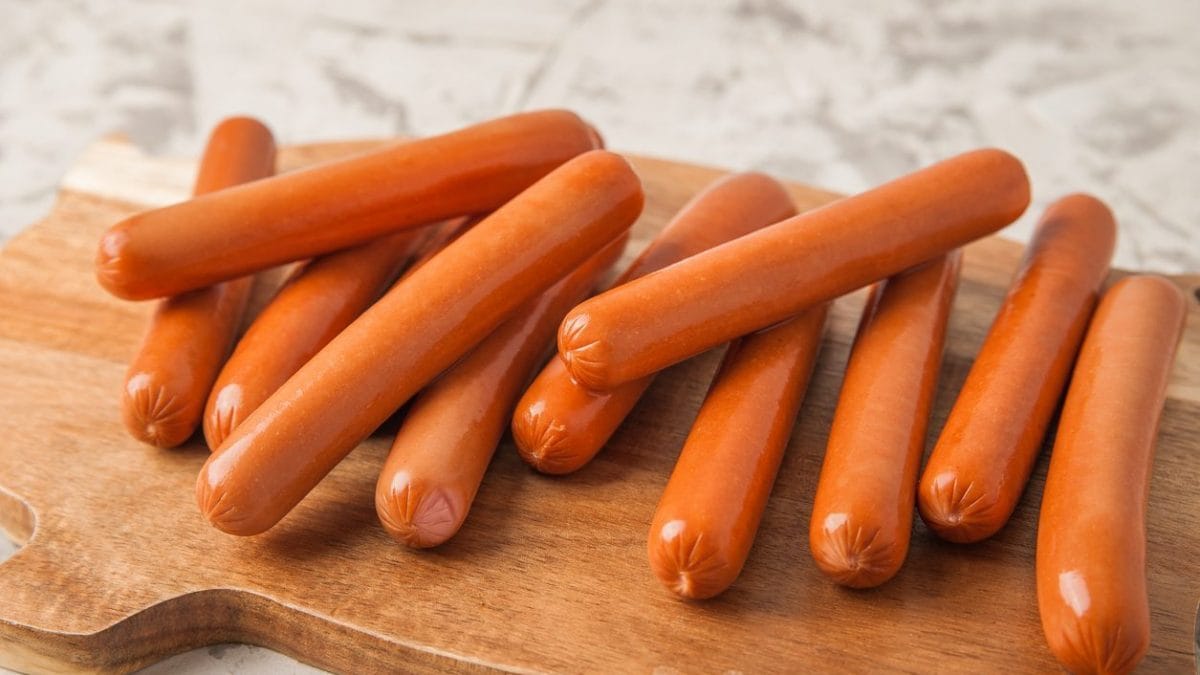
Delicious and ready in minutes: Würst — or frankfurters or hot dogs, as we call them in the U.S. —are one of those products everyone has had in the refrigerator at least once. Whether it's a hot dog eaten on the go or a quick, impromptu dinner, they're often the star of simple yet flavorful dishes. But what's really inside these popular sausages? In this article, we shed some light on ingredients, production methods, and the differences between industrial and artisanal products, to help readers make more informed choices… without sacrificing flavor.
What Are Würst, Really?
In Germany and Austria, würst are much more than a simple snack: they represent a deep-rooted culinary tradition, with a variety of regional specialties such as bratwürst, weißwürst, Frankfurter würst, and currywürst. These sausages are prepared with select ingredients and artisanal methods, and are served at occasions ranging from folk festivals to everyday meals, accompanied by sauerkraut, mustard, and beer. In the U.S., however, the term "würst" is commonly associated with packaged industrial products, often consumed quickly without much attention to their origin or composition. This cultural and gastronomic difference underscores the importance of knowing more about what we put on our plates.
The German word "würst" means "sausage." In the U.S., however, when we talk about würst, or rather hot dogs, we almost always mean Wiener würstchen, a smoked, pre-cooked sausage made from pork, beef, or a combination of the two. There are also versions made with chicken, turkey, and even vegetarian and vegan alternatives, made with plant-based proteins. Their smooth appearance and soft texture are the result of a well-defined production process, resulting in a practical product with a distinctive flavor, perfect for reheating on the go. Generally, part of the sausage comes from "premium" cuts, while the remainder is made up of processing waste, such as connective tissue and fat. To this mixture are added water or ice (to maintain the right temperature during processing), salt, spices such as pepper, garlic, or nutmeg, and a series of additives.

Among the ingredients contained in these products, additives are often the subject of discussion. Among the most common are:
- Nitrites and nitrates, which serve to preserve the product and maintain the pink colour;
- Phosphates, useful for retaining water and making the sausage softer;
- Antioxidants, which protect fats from going rancid;
- Emulsifiers and stabilizers, to keep the mixture homogeneous.
How They're Made
The würst production process follows a series of rather precise steps. It all starts with the meat being ground very finely until it becomes almost creamy. At this point, the mixture is mixed with other ingredients to achieve a smooth consistency. After emulsification, the sausages are stuffed into natural or artificial casings and then cooked, usually by steaming or in hot water at around 175°F/80°C. Once cooked, the sausages are quickly cooled and vacuum-packed or packaged in a protective atmosphere to ensure long-term shelf life.
A particular feature that particularly affects chicken and turkey würst is the use of mechanically separated meat (MSM). This type of meat is obtained by pressing the carcasses of the animals after removing the main cuts. This method recovers the residual meat, but the result is a cheaper and less valuable product than manually processed meat. According to the U.S. Department of Agriculture (USDA), mechanically separated meat is considered safe when produced under approved conditions and properly handled and cooked. As summarized in USDA guidance, these products must meet strict processing standards, and food safety ultimately depends on proper cooking to eliminate potential pathogens, similar to conventional meat.

Are There "Good" Würst in The U.S. Too?
Yes, and they often come from small producers: artisanal würst are recognized by their use of select, hand-cut meat and a much smaller —if any —use of additives. The result? A product with a more authentic flavor, focusing on quality rather than shelf life.
To choose a good-quality würst, the advice is simple: read the label. Check the percentage of meat, check for MSM, and pay attention to the list of additives. In general, the fewer, the better. And if you find a homemade product, perhaps organic, give it a try: it's often a healthier and tastier choice.
;Resize,width=767;)
