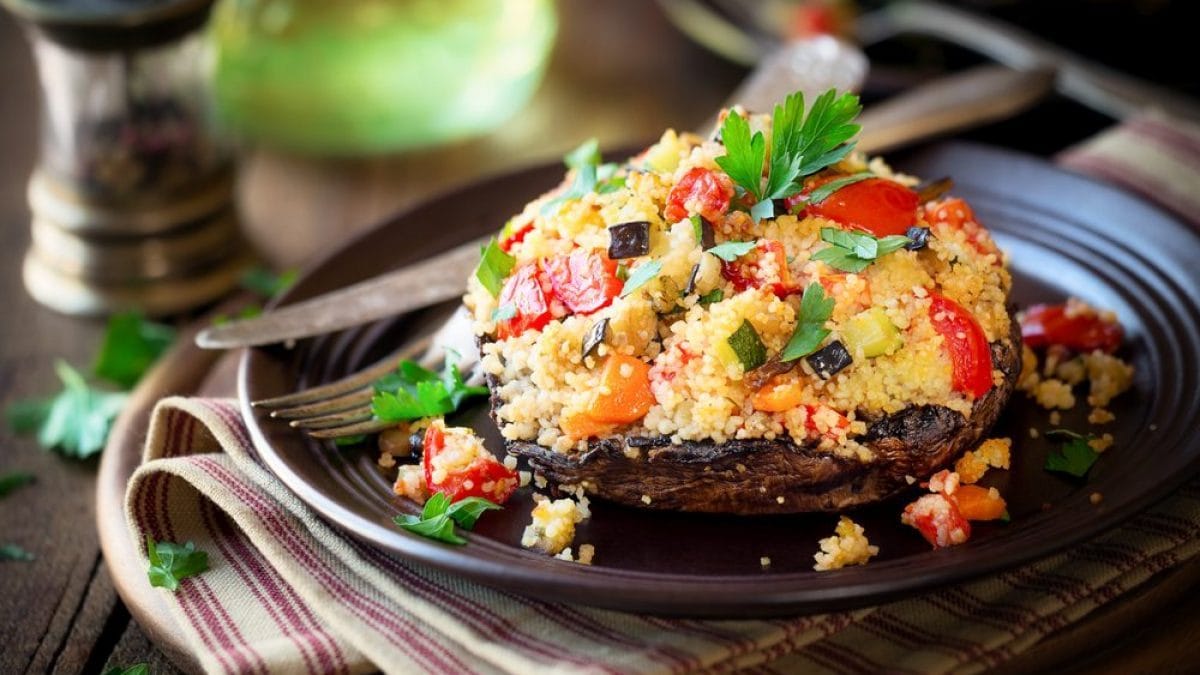
Couscous isn't just found in the markets of Tunis or the kitchens of Marrakech: it's also found in the alleys of Marseille, in the restaurants of Milan, and in the markets of Brussels. It's a dish that has traveled with people, becoming a symbol of memory and encounter. Every time it crosses a border, it changes face: it blends with local ingredients, adapts to the tastes of new generations, and even becomes a "national" dish in countries that never saw it born.
Today we won't tell you the history of couscous, but its evolving present: how migrations have taken it far from its places of origin, how it has reinvented itself in new and surprising forms, how it continues to unite different communities around a large shared dish.
Global Variants of a Migrant Dish
When you leave, you can't always take a pot or a spice with you, but the gestures of cooking remain. For many migrant families, couscous represents continuity with their history: kneading the semolina, cooking it slowly, serving the dish at the center of the table. A ritual that becomes even more important away from home, because it encapsulates the flavor of childhood and the identity of one's roots.
While in North Africa, traditional couscous is served with meat and vegetable stews, elsewhere the dish has adapted to new eating habits. In France, couscous is now considered an "unofficial national dish": gastronomic research places it firmly among the most beloved dishes of the French, especially in metropolitan areas. It is common to find it served in school cafeterias or restaurants as a light alternative to rice. In Italy, the influence of Tunisian communities has made Sicilian fish couscous famous, now considered almost a native dish. In Brazil, especially in the state of São Paulo, there is a variant called cuscuz paulista, steamed in molds and enriched with vegetables, eggs, and tuna. In Israel, however, the Maghreb diaspora has led to a version with spicy and more brothy condiments, often served at family celebrations.

In European urban contexts, couscous has also become a "lunchtime" dish: quick, nutritious, and easily customizable. This ability to adapt to a wide range of contexts confirms the dynamic nature of couscous, which continues to reinvent itself without losing its identity as a convivial food.
Kitchens That Intertwine
Couscous travels, but it never stays the same. In Europe's suburbs, it takes on the flavor of seasonal vegetables found at the market; in fusion restaurants, it's paired with unusual ingredients, from sushi to ceviche. Some soup kitchens use it as a convivial dish to foster encounters between migrants and locals: a large shared dish that becomes an opportunity to talk, get to know each other, and feel part of the same community. This ability to transform makes it a perfect cultural mediator: it doesn't impose, but welcomes; it doesn't divide, but unites. And in doing so, it illustrates how migration isn't just a movement of people, but also of flavors, traditions, and ways of being together.

Traditionally, couscous is eaten with the hands, everyone helping themselves from the same large plate. This gesture reinforces the idea of community: no one has their own portion, but everyone shares the same food and the same moment. With migration, however, this ritual has adapted: in European homes and restaurants, couscous is served on individual plates and eaten with a fork or spoon, more in line with local customs. The gesture of sharing changes form, but the essence remains the same: whether with hands or cutlery, couscous continues to be a food that invites us to be together.

;Resize,width=767;)
