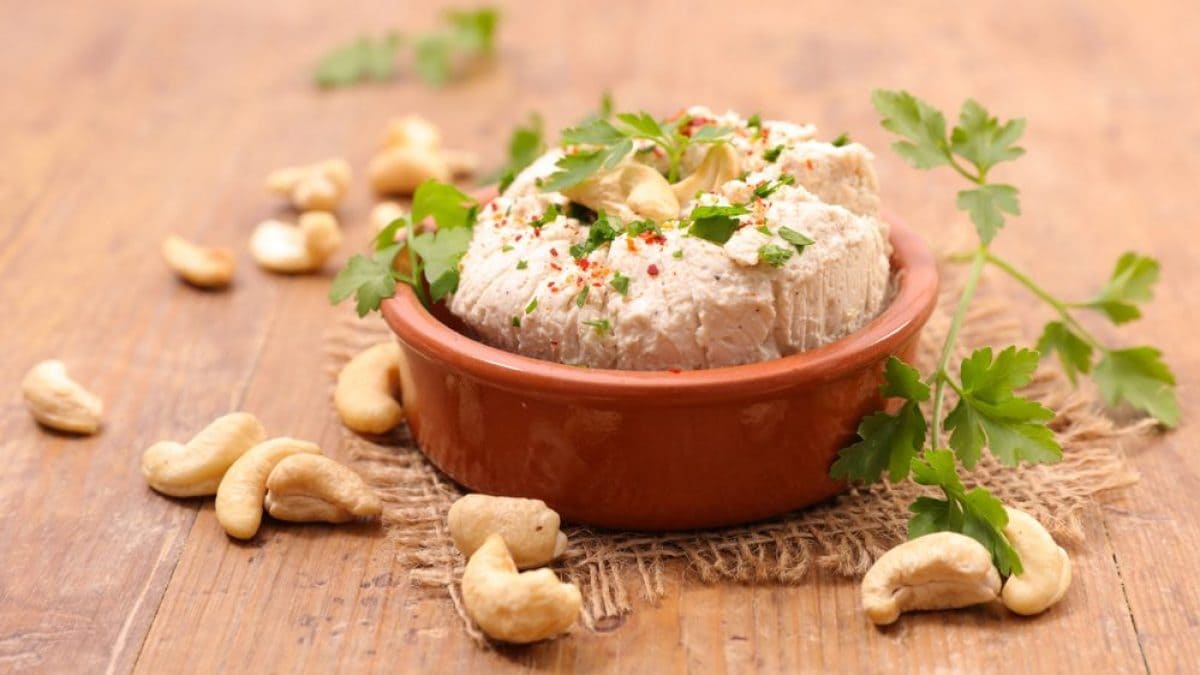
In recent years, interest in plant-based foods has grown significantly, offering alternatives to traditional products that are now highly sought after even by those following an omnivorous diet. Whether for dietary variety, food intolerances, or ecological reasons, it's increasingly common for even non-vegans to opt for plant-based alternatives to animal-based foods. Vegan cheeses, for example, were long the preserve of vegans, but are now increasingly popular with everyone. They're similar to traditional cheeses, but made exclusively with plant-based ingredients: they resemble their taste and texture—sometimes even their name—plus they're lactose- and cholesterol-free. This doesn't mean they're necessarily healthier (like any other food, they're industrially produced) or more sustainable (it depends on the type of ingredients used), but they do offer a good way to vary your diet. Let's explore the world of plant-based cheeses, why they're worth including in your daily diet, and how to use them in the kitchen.
What is Vegan Cheese and How Is It Made
Vegan cheeses are food products that replicate the flavor and texture of traditional cheeses, but without the use of animal milk. They are made using other exclusively plant-based foods, usually nuts (cashews, almonds, walnuts), soy or legumes, coconut oil, and starches, along with fermentation. This process, similar to traditional cheesemaking, allows for a product that replicates the flavor and texture of traditional cheeses.

In the United States, the labeling of plant-based cheeses is regulated by the Food and Drug Administration (FDA). Legally, the term “cheese” is reserved for products made from milk or milk-derived ingredients. According to the FDA’s Standards of Identity for Cheese, products labeled simply as “cheese” must contain dairy; otherwise, using the term without qualification can be considered misleading.
To comply with these rules, American producers of plant-based or vegan cheeses typically use labels such as “plant-based cheese alternative,” “vegan cheese,” or creative brand names that suggest cheese without implying it is made from milk. While terms like “vegan cheese” are widely used in marketing and accepted by consumers, companies must ensure the labeling clearly indicates the product is dairy-free to avoid FDA enforcement actions.
Vegan cheeses can be fresh or aged, soft, stringy, or hard, just like those made from milk. Although the basic ingredients are different, the process leading to the final product is very similar to that of traditional cheeses. The first step involves choosing the basic ingredient to start with. Vegan cheeses typically use:
- Legumes. Soybeans, beans, and chickpeas add texture and creaminess when blended, and are a good source of protein, so they're commonly used in soft, spreadable vegan cheeses. Chickpea aquafaba, the cooking water used to make chickpeas, can also be used to add extra creaminess to fresh and/or spreadable cheeses.
- Grains. Rice and wheat, when sprouted or fermented, can be used to produce hard vegan cheeses or, with the addition of starches, even stringy cheeses.
- Nuts. Cashews, walnuts, and almonds are the most common, although their use in plant-based cheesemaking is relatively recent. However, the yield is excellent because they contain just the right amount of unsaturated fats, making the final product tastier and more similar to animal-based cheeses.
As we've seen, plant-based cheese substitutes come in a variety of flavors, from spreadable to stringy, from soft to hard cheeses. It all depends on the process chosen and the type of starter added for fermentation. The general process involves blending the base ingredient until it becomes a smooth cream, then flavoring and packaging fresh cheeses for sale, while fermentation is performed for aged cheeses. How do you ferment vegan cheese? Much like traditional cheeses, using bacterial cultures, vegan- friendly starter cultures, or fermented products. Lemon juice is also helpful in the process, as its citric acid, when mixed with the other ingredients, promotes coagulation.

Once the dough has been created, it is placed in special molds and left to rest in controlled environments to develop the crust and firm up. Vegan cheeses can ferment for times ranging from 12 hours to several months, depending on the desired type: a fermentation of around 48 hours (24 hours at room temperature plus an additional 24 hours after adding salt) produces semi-mature vegan cheeses, while a fermentation of 20 days to over a month produces mature and blue cheeses.
One of the main advantages of plant-based cheeses is their compatibility with a variety of dietary needs. Being naturally lactose- and cholesterol-free, they are ideal for those with intolerances or trying to reduce their intake of saturated fats. They are also rich in protein and fiber, thus contributing to better health and a balanced diet. They are also very satisfying from a gastronomic standpoint: those who try them discover that they are not just a "substitute" but an opportunity to explore new flavors. They are also very versatile and lend themselves to cold and hot dishes, gratins, pizzas, and desserts, and in some cases can be easily prepared at home. Here are some ideas for preparing and using vegan cheeses.
1. Tofu, The "Vegan Cheese" Par Excellence (Even If It's Not)

Tofu is probably the most famous plant-based food associated with vegan cheeses and is often incorrectly referred to as "soy cheese." This name comes from its production process, which resembles that of traditional cheeses: it is obtained by coagulating soy milk and then pressing it into blocks. A typical food in the culinary tradition of the Far East, tofu has also become widespread in the West, especially in vegetarian and vegan cuisines, but today it is also consumed by many people who follow an omnivorous diet thanks to its nutritional profile and versatility. With a delicate and neutral flavor, it comes in different consistencies, more or less creamy depending on how it is made, and can be used in numerous preparations, from meatballs to gnocchi.
2. Vegan Ricotta

Homemade vegan ricotta is a 100% plant-based alternative to traditional cow's milk ricotta. Creamy and delicately flavored, it's made with only plant-based cream and soy milk, nutritional yeast flakes, apple cider vinegar, and salt. For perfect results, after heating the plant-based milk with the nutritional yeast flakes over a stovetop until it reaches 175°F/80°C, immediately add the apple cider vinegar and let it sit, covered, for at least 15 minutes. This will allow the acetic acid to curdle the soy proteins, separating the ricotta from the whey. Equally important is the choice of soy milk, which must be strictly sugar-free and have a protein content of at least 3.5%—the amount necessary to promote the coagulation process. After blending the ricotta, well drained of the whey, with the soy cream and placing it in a special mould, all you have to do is wait for it to cool in the fridge and you're done. The result will be a plant-based ricotta suitable even for those who are lactose intolerant, perfect eaten plain, with your favorite side dish or spread on warm toasted bread, or used in cooking to make stuffed pasta, and vegan-friendly cheesecakes.
3. Vegan Mozzarella

Vegan mozzarella is a plant-based alternative to traditional mozzarella, a quick and easy recipe, incredibly tasty, and free from any animal products. Perfect for a Caprese salad to serve as an appetizer for a lunch with vegan guests, it can also be used to stuff paninis, sandwiches, wraps, or as a topping for homemade pizza. To make it at home, simply combine the cornstarch, plant-based milk, and soy yogurt in a small saucepan, stir, and then add the non-dairy cream, lemon juice, salt, and extra virgin olive oil. Let the mixture thicken over a low heat for a few moments, then divide it into four 125-gram portions. To give the mozzarella its characteristic shape, we wrapped them tightly in plastic wrap and immersed them in ice water for 30 minutes. All that remains is to place them in the refrigerator for at least 1 hour and 30 minutes: after resting, you will obtain vegetable mozzarellas that are completely similar in appearance and consistency to the original ones, which will win over even the most skeptical omnivore.
4. Vegan Stracchino

Vegan stracchino is a quick and easy basic recipe, a plant-based alternative to traditional cheese, perfect for vegans and those with lactose intolerance. It's made with plant-based milk, plant-based yogurt, soy cream, tapioca flour, cornstarch, nutritional yeast, garlic powder, and a pinch of salt, mixed and cooked in a saucepan until thick and creamy, then refrigerated. Easy and delicious, it's perfect spread on toast or crackers as an appetizer, used as a filling for sandwiches, served with raw vegetable dips as an appetizer, or even as a light lunch.
5. Vegan Bechamel Sauce

Vegan béchamel is a 100% plant-based version of the famous sour cream sauce made with milk, butter, and flour. Excellent for seasoning baked pasta, gratinated vegetables, and vegan casseroles, just like the classic recipe, it is characterized by its creamy and enveloping consistency, except that, in this case, the dairy products are replaced with vegetable margarine and rice milk. To serve it, simply melt the vegetable fat in a heavy-bottomed saucepan, then add the flour all at once, and let the resulting roux toast until it takes on a nice hazelnut color. Then, slowly pour in the rice milk, a ladleful at a time, constantly whisking, and let it thicken over medium-low heat. The result will be a white sauce with a neutral and delicate flavor, perfect for making tarts, lasagna, and other irresistible vegan-friendly dishes.
;Resize,width=767;)
