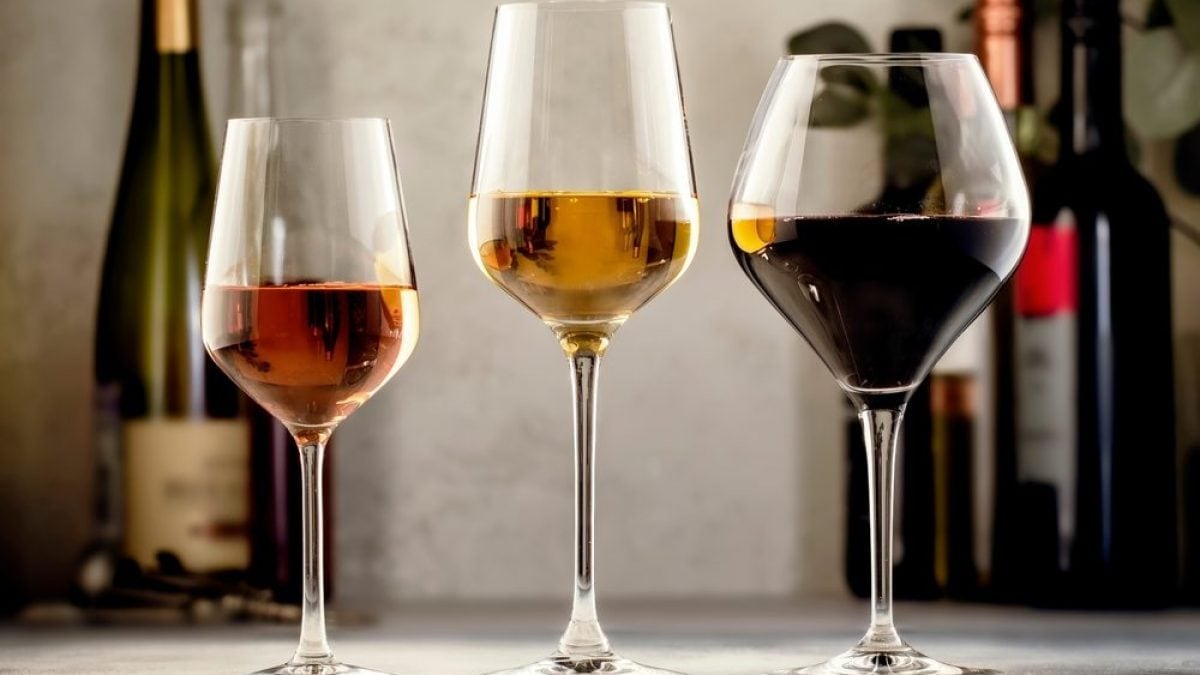
There's a number on a wine label we all see, but rarely stop to truly understand: the alcohol content. That "% vol" tells us much more than it seems, from the ripeness of the grapes to the style of wine in the glass. What's the difference between a white and a red? Which styles are most "important" in terms of alcohol content? Let's clarify what determines the alcohol content in wine, why it varies between different types, and how to read it more consciously, without ruining the pleasure of drinking.
What Determines the Alcohol Content in Wine?
When you drink a glass of wine, the warmth you feel in your mouth is due to the alcohol, the direct result of the process we call, not surprisingly, alcoholic fermentation. During this process, yeasts transform grape sugars into ethyl alcohol and carbon dioxide, along with a series of compounds that create the wine's organoleptic profile (aromas and flavors). The alcohol content indicates how much of that liquid is actually pure alcohol and is expressed as a percentage by volume, the famous "% vol" you find on the back label.
That number doesn't magically emerge in the cellar; it depends primarily on the sugar content of the grapes at harvest: the more sugar there is in the must, the more raw material there will be to convert into alcohol. On average, about 60% of the sugars present are converted during fermentation, which is why grape ripeness and harvest date are crucial factors in the final style of the wine.
Grape variety and climate also influence alcohol content. Some varieties accumulate sugars more easily, while others remain naturally lighter. Warm, sunny seasons bring riper grapes and higher-alcohol wines; cool, breezy areas favor lower alcohol content and higher acidity. In recent years, with global warming, it's not uncommon to find wines that exceed thresholds once considered exceptional.
Let's see together how these factors translate into the numbers you find in the glass, comparing reds, whites, rosés, and sparkling wines, and how to really read the alcohol content on the label to drink more consciously.
Alcohol Content Differences
When discussing alcohol in wine, color is often cited a bit simplistically. Saying that "red has more alcohol than white" isn't always true, but it's a useful starting point if you look at it as an average, not a hard and fast rule.
1. White Wines

White wines, in fact, cover a rather broad spectrum. Those from cool climates and grape varieties suited to acidity, such as Melon Blanc or Albariño, often range between 8 and 12% alcohol. These wines focus on drinkability, freshness, and aromatic precision. More structured whites, the product of warm climates or winemaking choices geared toward maturity, easily reach 12.5 to 14.5%. Mature Chardonnays, Viogniers, or other New World whites focus on body and roundness, with a much more evident alcohol content.
2. Red Wines

Red wines, on average, have higher alcohol content not so much because of the winemaking process itself, but rather because of choices made upstream. The most common red grapes are often grown in warm areas and are harvested at a later stage of ripeness, when their sugar content is higher. It is this excess sugar present in the must before fermentation that translates into a higher alcohol content.
Lighter reds, such as some Pinot Noirs or fresh wines, hover around 11–13%. Medium-bodied reds range between 13–14.5%, while the more concentrated and powerful ones frequently exceed 15%, sometimes reaching 16 or 17%. In these wines, alcohol becomes an integral part of the structure and aging potential, not just a sensation of warmth.
3. Rosé Wines

Rosés occupy a middle ground. Brief contact with the skins allows for color and structure without reaching the concentrations typical of red wines. Most rosés range between 11 and 13.5% ABV, maintaining a balance between freshness and alcohol content.
Why Sparkling Wines and Prosecco Have Different Alcohol Contents
When it comes to sparkling wines, the most common misconception is that "bubbles make you more drunk." In reality, the alcohol content of a sparkling wine is no higher than that of a still wine of the same type. Champagne and fine Classic Method sparkling wines, for example, almost always hover between 11.5 and 12.5% alcohol, values perfectly in line with many dry white wines.
Prosecco, on the other hand, has a lower average alcohol content. The regulations set a minimum of 10.5% for semi-sparkling and still versions, and 11% for sparkling wine. This lightness is part of its identity: it's a wine designed for aperitifs, conviviality, and immediate drinking. It's no coincidence that even lighter versions, between 8 and 9%, are being experimented with, which maintain aromas and freshness while reducing the alcohol content.

The feeling of increased intoxication, therefore, depends not on the amount of alcohol, but on the effervescence: carbon dioxide facilitates the absorption of alcohol in the stomach, accelerating the perceived effect. You drink the same amount of alcohol, but the body metabolizes it more quickly, and the effect comes quicker.
How to Read Alcohol Labels and What It Really Means For Your Drinking
The alcohol content on the label is mandatory and is specifically called the actual alcoholic strength by volume. It indicates how many milliliters of pure alcohol are present in 100 milliliters of wine at a standard temperature of 70°F/20°C. A 13% wine therefore contains 13 milliliters of alcohol per 100 milliliters of product.
To translate that number into something more concrete, just know that one milliliter of pure alcohol weighs about 0.79 grams. A 750-milliliter bottle of 13% alcohol contains approximately 78 grams of alcohol. A 125-milliliter glass, considered a standard serving, provides about 12 or 13 grams.
Reading the label helps guide your choices, not obsessively calculate them. A wine with 10% alcohol content will be lighter and easier to drink, while one with more than 15% alcohol content will have a more pronounced impact on both the palate and the body. This difference isn't just sensorial: alcohol is always metabolized the same way and produces compounds that tax the liver and nervous system, regardless of the type of wine.

International guidelines are clear on this: there is no such thing as completely risk-free alcohol consumption. "Low-risk" consumption involves very moderate amounts, preferably with meals, but even then the risk is not completely eliminated. The myth of a daily glass of red wine as a heart-healthy elixir has been debunked by the scientific community, and the benefits attributed to polyphenols do not offset the harmful effects of ethanol.
Knowing the alcohol content of the wine you're drinking doesn't take away from the experience; on the contrary, it allows you to make more informed choices, understand what's in your glass, and decide how and when to drink it.
;Resize,width=767;)
