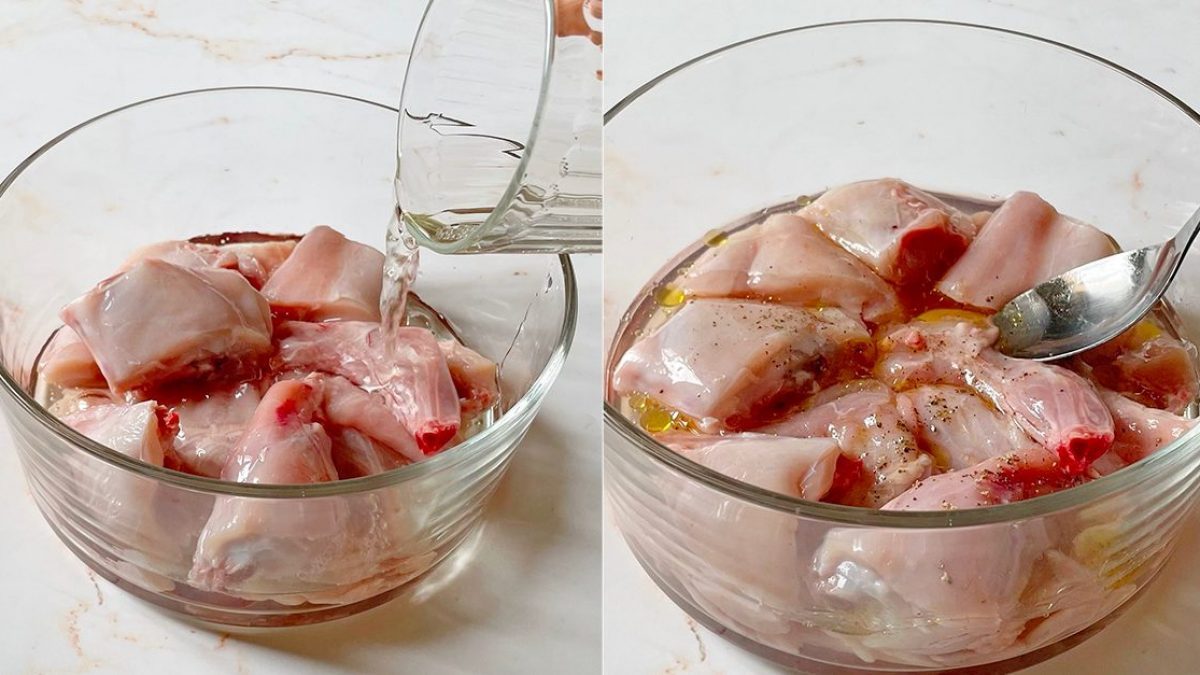
Lamb and goat are delicious meats, very light and tender but also flavorful, which in many states of the U.S. are eaten, especially during these grilling months. They can be cooked in many different ways, from oven-baked to fried, but in all cases they require one fundamental step: marinating.
Somewhere between a preservation method, a cooking method, and a culinary preparation, marinating is an ancient technique in which meat, fish, and vegetables are left to rest in a solution composed of an acidic element, an oily component, herbs, and spices. In the specific case of lamb and goat, marinating is used to tone down the more intense flavor of the lamb and enhance the more delicate flavor of the goat. Marinating these meats is particularly aromatic and fragrant, but how should it be prepared, and what are the mistakes that risk compromising the process? Here's everything you need to know to marinate lamb and goat without fail.
Tips for Marinating Lamb to Perfection
Whatever cut of lamb you're preparing and whatever recipe you plan to use, a good marinade is essential to make the meat more delicate in both flavor and texture. Marinating triggers a softening process in the muscle fibers, allowing you to bring cuts to the table that are not only more tender, but also juicier and more fragrant.
The ingredients used to make the marinade vary depending on the type of food you're marinating, but the general rule is always the same: an acidic component, an oily component, and herbs and spices, all perfectly balanced. Because of the characteristically intense flavor of lamb, in this case you need to prepare a marinade particularly rich in aromas and flavors. We recommend using this formula for 1.5 kg of meat:
- Acid component: three glasses of dry white wine.
- Oily component: half a glass of extra virgin olive oil.
- Herbs and spices: a thinly sliced onion, a crushed garlic clove, pepper, juniper berries, rosemary, thyme, bay leaves, sage and mint.
The perfect marinade begins the night before: the lamb must first be cleaned with water and vinegar, left whole or cut according to the recipe in which you will use it, and trimmed of excess fat. Once these preliminary steps have been completed, you can place the lamb in the marinade you have prepared, gently massaging the meat to evenly distribute the seasoning and thus obtain a homogeneous marinade.

At this point, the lamb, immersed in the liquid you've prepared, should rest in the refrigerator at least overnight, preferably in a glass or ceramic container covered with plastic wrap. Unlike metal or plastic containers, these do not contain substances that, released during the resting time, could contaminate the meat. After the required time, the lamb should be drained and dried with paper towels before proceeding with your chosen cooking method.
In addition to the classic oven, you can cook your lamb on the grill or in a pan, or you can fry it after having passed it in beaten egg and then in breadcrumbs, as you do with cutlets, or if you have particularly meaty parts (for example neck and breast) you can mince them and prepare meatballs and ragù.
Tips for Marinating Goat to Perfection
Whatever cut of goat you're preparing and whatever recipe you plan to use, a good marinade is essential to make the meat even more delicate and fragrant, without overpowering its natural flavor, which is sweeter and lighter than that of lamb. Marinating triggers a softening process in the muscle fibers, resulting in tender, juicy, and well-flavored meat.
The marinade ingredients vary and follow the general rule of acidity, oil, and herbs and spices, but in the case of kid goat, it's important to maintain a more delicate balance. You can use dry white wine or a small amount of lemon, without overdoing it, along with extra virgin olive oil. As for the herbs, favor fresh herbs such as thyme, sage, rosemary, bay leaves, and mint, while more intensely flavored ingredients such as garlic and juniper should be used sparingly.

The perfect marinade, in this case too, begins with proper meat preparation: the goat must be cleaned, rinsed with water and an acidic component if necessary, and trimmed of excess fat. Once ready, you can immerse it in the marinade and massage it gently to evenly distribute the seasoning and promote the penetration of the aromas.
At this point, the goat meat must rest in the refrigerator, immersed in the liquid, for between 6 and 12 hours, preferably in a glass or ceramic container covered with plastic wrap. After this time, the meat should be drained and patted dry with paper towels before proceeding with the chosen cooking method, ensuring a balanced, tender, and perfectly flavorful result.
Mistakes to Avoid for a Perfect Marinade
A perfect formula isn't enough: to achieve a perfect marinade, you also need to avoid a series of mistakes that could compromise the process. The first and most important rule to follow is not to overdo the marinade ingredients: the liquid should enhance the flavors, not overwhelm them, so follow the recommended quantities carefully and respect the soaking time to ensure the marinade is effective.
Also be careful about the amount of salt: avoid adding it right away; it's better to add it later, once cooking is complete. Adding too much salt risks altering the flavor of the meat, but it can also dry it out: salt draws moisture from the meat during cooking, reducing its tenderness and thus undoing all the marinating you've done. Don't overdo it with acids like lemon and vinegar, either; be generous with herbs and spices.

A fundamental rule for avoiding a bad marinade is to never pierce the meat, either when soaking or during cooking, because the holes would prevent the liquid from retaining inside and, as the meat cooks, would release its precious juices. Therefore, never use a fork to turn it; use kitchen tongs instead.
A very common mistake is to use the original marinade in which the meat rested to baste it during cooking. This is actually wrong because, during soaking, raw food (both meat and fish) releases organic fluids that can become a breeding ground for bacteria and therefore pose a health risk, especially if you marinated the meat overnight. What you can do is prepare the same marinade again and use the new one to flavor and baste the food during cooking.
;Resize,width=767;)
