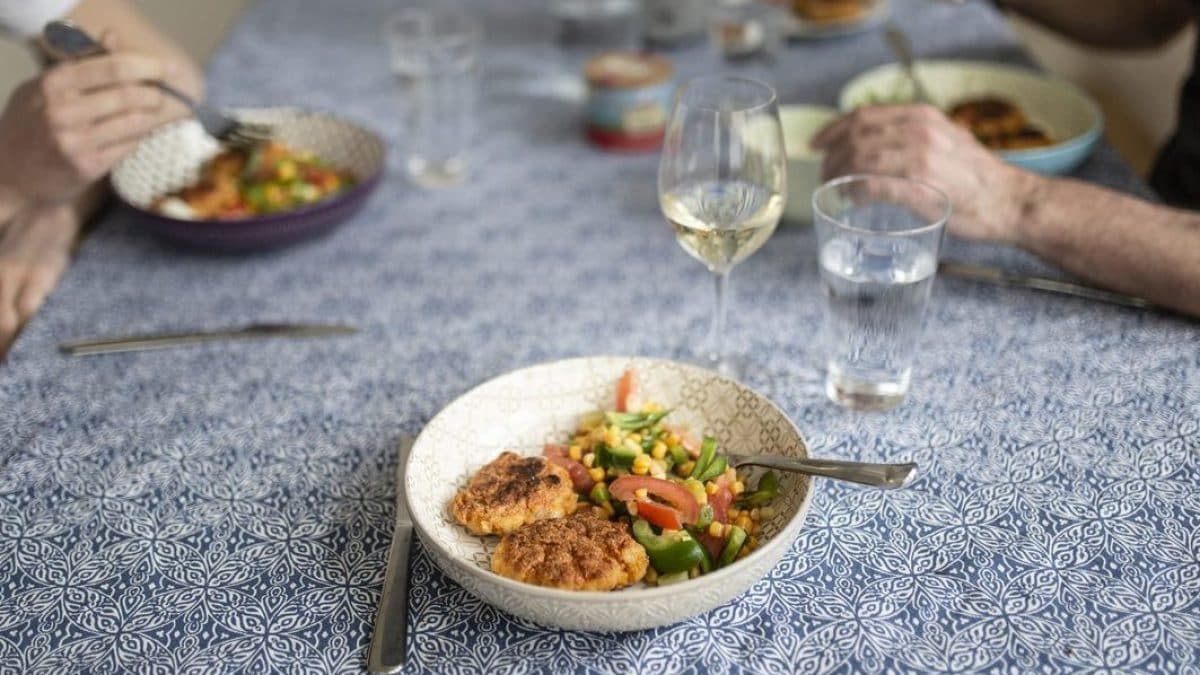
You'll find yourself having dinner parties more and more frequently, having to deal with a wide variety of food choices. Don't panic, with this wine pairing guide, you'll never have to go crazy trying to find the right wine for that vegan dish you've never cooked before.
When it comes to pairing wine with vegan cuisine, the most common mistake is to look for a meat substitute in the glass, as if it were enough to shift the old rules to new ingredients. The key, instead, is to read the dish for what it truly is: structure, texture, fat, aromatics, cooking, presence of spices, herbs, toasting, marinades. Even with plant-based cuisine, the basics remain those of classic pairings: more delicate dishes call for leaner wines, while intense and rich dishes require bottles with more substance and flavorful pace.
Vegan cuisine, however, changes the rules of the game considerably. In place of animal proteins, legumes, grains, mushrooms, fermented foods, vegetable fats, roasted vegetables, nut-based sauces, and condiments that often play on umami take center stage. This means tannins must be measured more carefully, acidity often becomes a valuable ally, and serving temperature matters more than you might think. A red wine that's too harsh, paired with a dry or bitter vegetarian dish, tends to hollow out the palate; a taut and well-balanced white, on the other hand, can restore balance.
Today, let's take a look at which wines to choose with vegan appetizers, plant-based main dishes, and more bold courses, so you can create sensible pairings without improvising.
Let's Start From The Basics
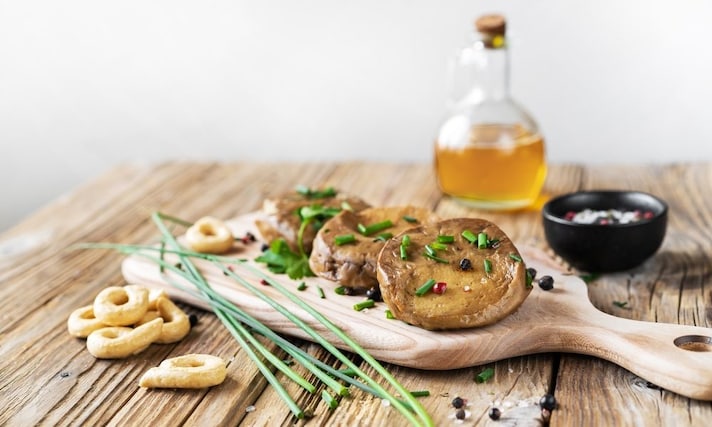
Let's start by saying that tempeh, tofu, seitan, and legume burgers shouldn't be treated as a single block. Tofu, especially the more delicate versions, has a light profile and absorbs the marinade almost like a sponge. Fresh, crisp white wines like Sauvignon Blanc, Riesling in its drier versions, Pinot Grigio, or Albariño work well here, especially when the dish features light soy sauce, citrus, ginger, or herbs. If the tofu has been pan-fried, deep-fried, or grilled and develops a more pronounced crust, you can enhance the flavor with a gastronomic rosé or a subtle, low-tannin red that won't muddy the palate.
Tempeh is a different story. It has a darker, more compact flavor, with a fermented, almost nutty note that complements less subtle wines. If you're cooking it with glazes, spices, barbecue sauce, or tomato, you can opt for medium-bodied reds with crisp fruit and subtle tannins, or aromatic whites when the recipe leans toward curry, coconut milk, or spicy ingredients. With spicy dishes, it's best to avoid overly tannic and alcoholic reds, as they amplify the spiciness; aromatic whites, sometimes with a slight residual sugar, or fresh, restrained rosés are much better.
Seitan, due to its texture and chewiness, is the vegetable protein that most often pairs well with a bold red wine. If you serve it grilled, with a sauce, Mediterranean herbs, mushrooms, or roasted potatoes, a California Barbera, a Pinot Noir from Oregon, a non-jammy Washington State Merlot, or a juicy red can complement the dish without turning it into a showdown. If, however, the sauce leans toward lemon, sage, thyme, or lighter sauces, a full-bodied but lively white comes in handy, capable of balancing the aromas and palate.
Legume burgers deserve a special mention, as they often feature a bit of everything: chickpeas, lentils, beans, oats, onion, paprika, mustard, ketchup, vegetable mayo, gherkins, and soft bread. It's the final product that counts, not just the dough. If the result is juicy, slightly smoky, and well-seasoned, a young, fruity red works better than an austere wine: Washington State Merlot, Grenache, a lightly structured Pinot Noir from Oregon, or an intense rosé are often more convincing than overly serious bottles for a dish that thrives on pace, juiciness, and roastiness.
There's also a point worth clarifying, especially if you're inviting vegans to dinner: not all wines are automatically vegan. In the cellar, fining can still occur with substances of animal origin, such as albumin, casein, or isinglass, so it's a good idea to check the label, technical data sheet, or manufacturer's information before placing the bottle on the table. Now let's see how all this translates to the table.
How to Pair Wine with Vegan Appetizers
Vegan appetizers are often the most overlooked area, because crudités, hummus, focaccia, marinated vegetables, fried foods, vegetable carpaccio, and bruschetta can all be found on the same table. Simply put, they require versatile wines, with lively acidity and moderate alcohol content, and when the menu is very varied, a sparkling wine could save the day and bring everyone together.
If you start with fresh, crisp dishes, like fennel and citrus, zucchini carpaccio, seasonal salads with herbs, or raw vegetables with light sauces, the wine must have energy. Sauvignon Blanc, Albariño, Pinot Grigio, and dry sparkling wines, perhaps Brut, are smart choices because they complement the vegetables and don't sag when paired with citronette, lemon, or delicate vinegars. When the dressing is acidic, a wine that's too soft quickly loses definition.
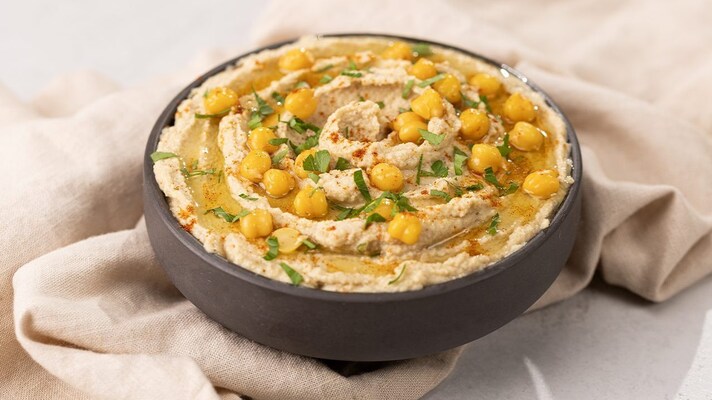
Then there are the creamy appetizers, the ones that take center stage and disappear first: chickpea hummus, cannellini bean mousse, lentil pâté, baba ganoush, and creamed pea soup with toasted bread. Here, the legume's sweetness and the floury sensation call for white wines with a bit more roundness, or dry rosés with sufficient depth. A white wine not affected by oak, such as a restrained Chardonnay, a dry Vigonier, or a well-structured rosé, manages to balance texture and freshness without making everything feel mushy.
Fried foods, on the other hand, require little improvisation and a great deal of precision. Battered vegetables, potato and chickpea croquettes, vegan arancini, stuffed zucchini flowers, or panelle all require acidity and carbon dioxide, that cleansing sensation that restores the palate between bites. In these cases, the bubbles of a Metodo Classico sparkling wine remain one of the most reliable options, precisely because their effervescence and freshness work well with the oily part of fried foods.
One last detail changes the outcome significantly: garlic. Tomato bruschetta, crostini with olive pâté, roasted peppers, and vegetable preserves call for straightforward wines, with evident fruit and no overly aromatic overtones. It's best to steer clear of overly fragrant white wines if the dish features raw garlic, onion, or pungent sauces: the risk is turning the sip into a shouting match.
How to Pair Wine With Vegan Main Dishes
Vegan pasta dishes are the epitome of pairing, as plant-based cuisine showcases its full diversity. Pasta with tomato sauce, mushroom risotto, lasagna with lentil ragù, or vegan carbonara with smoked tofu have almost nothing in common, despite sharing the same label. Organizing is easy if you consider the sauce before the format.
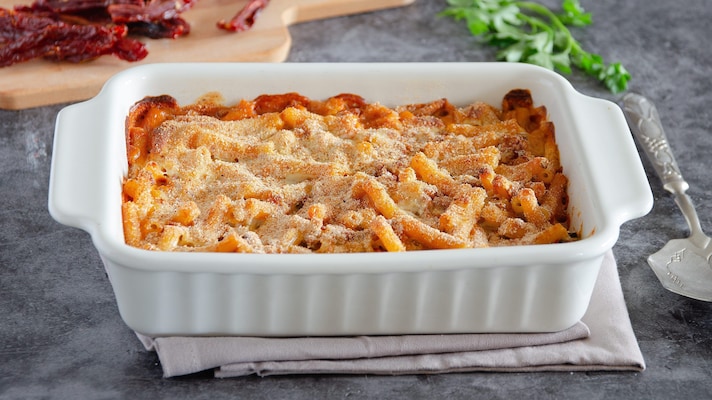
Let's start with tomato sauces, which remain a perfect training ground for understanding how wine moves. Spaghetti with tomato sauce, vegan pasta alla norma, penne all'arrabbiata, lasagna with lentil ragù and vegetable béchamel sauce call for reds with crisp acidity and moderate tannins. Young California Barbera, vintage Washington State Cabernet Franc, lightly oaked Oregon Pinot Noir, or lightly extracted California Valdiguié can pair well with tomatoes without becoming harsh, and hold their own with fried eggplant, legumes, and toasted vegetables.
When the first course becomes creamy, the tone changes. Think pasta with creamed zucchini and almonds, mushroom risotto tossed with extra virgin olive oil, vegan carbonara with cashews and smoked tofu, or gnocchi with leek cream. Here, the wine must have just enough body to not disappear, but also freshness to lighten the palate. A subtle Unoaked Chardonnay, Albariño, Vigonier, Dry Chenin Blanc, or cool-climate California Chardonnay do a very clean job, especially when the dish focuses on smoothness and persistence.
Mushrooms always deserve a special mention, as they bring umami, aromatic depth, and an earthy nuance to the dish that also invites an elegant red. A refined Pinot Noir, a subtle local red, or even a well-crafted orange wine can be paired with tagliatelle with mushrooms, autumn barley, or pasta with white vegetable ragù. The key is moderation: you need a wine that's present, not overbearing.
For spicy or piquant main dishes, it's best to avoid the temptation of bold reds. Lentil dahl with rice, noodles with peanut and chili sauce, miso and ginger soups, or Thai and Indian-inspired dishes pair best with aromatic whites, sometimes even slightly sweet, or with agile rosés. Riesling, Gewürztraminer, and some fruit-forward whites work well because they help control the spice and spiciness, while tannic reds tend to make the mouthfeel more aggressive.
In this category, the temperature of the wine is also very important. A white wine served too cold closes off and stops interacting with the dish; a red wine that's too warm broadens the alcohol content and overwhelms more delicate dishes. With vegan main dishes, it's best to keep the sip lively and readable, without trying to create special effects.
But it's with the bold main courses that vegan cuisine stops asking for permission and shows off its full personality. Seitan stews, legume burgers, marinated skewers, seitan and tofu roasts, oven-glazed cauliflower, stuffed portobello mushrooms, chili sin carne, chickpea meatballs, and rich stews call for wines capable of holding their own without stealing the show.
With dishes featuring mushrooms, eggplant, roasted onions, root vegetables, and baked vegetables, you can indulge in more complex reds. Umami and toasted notes help the tannins interact, as long as they are well-refined and elegant. Pinot Noir, non-woody Merlot, medium-bodied reds, and a few light-bodied Cabernet Franc wines can yield very interesting results, especially if the dish has a juicy component, a sauce, or a fatty component that holds the sip together.
If the course leans toward grilling or barbecue, then the wine must be able to stand up to the smoke, caramelization, and sauces. Grilled seitan, glazed tempeh, smoked lentil burgers, vegetable ribs in BBQ sauce, or oven-glazed vegetables call for fruity, generous reds with tannins that are present but not dry. Syrah, well-managed California Zinfandel, Grenache, and full-fruited reds can work well, as long as the dish has enough succulence to absorb the wine's punch.
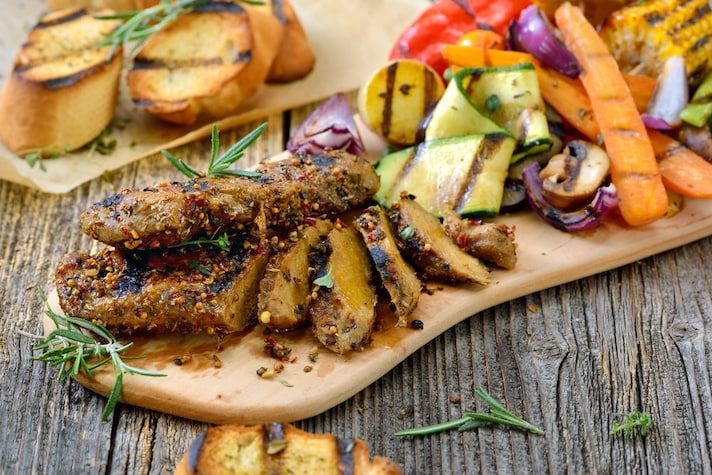
Grilled seitan, in particular, is one of those situations where comparing it to white meat or a lean cut can be helpful, as long as it doesn't become automatic. If you serve it with a red wine reduction, aromatic herbs, mushrooms, or roasted potatoes, a medium-bodied red wine with a smooth texture is often the most convincing option. If, however, the dish takes a fresher approach, perhaps with lemon, capers, or salsa verde, it's much better to opt for a structured white wine that maintains the dish's tension without weighing it down.
For burgers, meatballs, and legume-based main courses, a simple rule applies: pay attention to the seasonings. Legumes themselves have a subtle sweetness and a floury texture, but toasted bread, mustard, caramelized onion, ketchup, barbecue sauce, vegan mayonnaise, or gherkins completely change the picture. This is why a young, vibrant red, or a rosé with a crisp acidity, often outperforms a premium bottle opened for prestige.
Finally, there are stews, chilies, curries, and stews. When tomatoes, beans, lentils, peppers, and sweet spices are present, soft reds thrive; when coconut milk, pronounced spiciness, and oriental spices are added, aromatic or slightly off-dry whites become more compelling, restoring balance and keeping the palate moving.
In other words, with vegan cuisine, wine really works when it reflects the actual flavor of the dish, not the label you present it with.
;Resize,width=767;)
