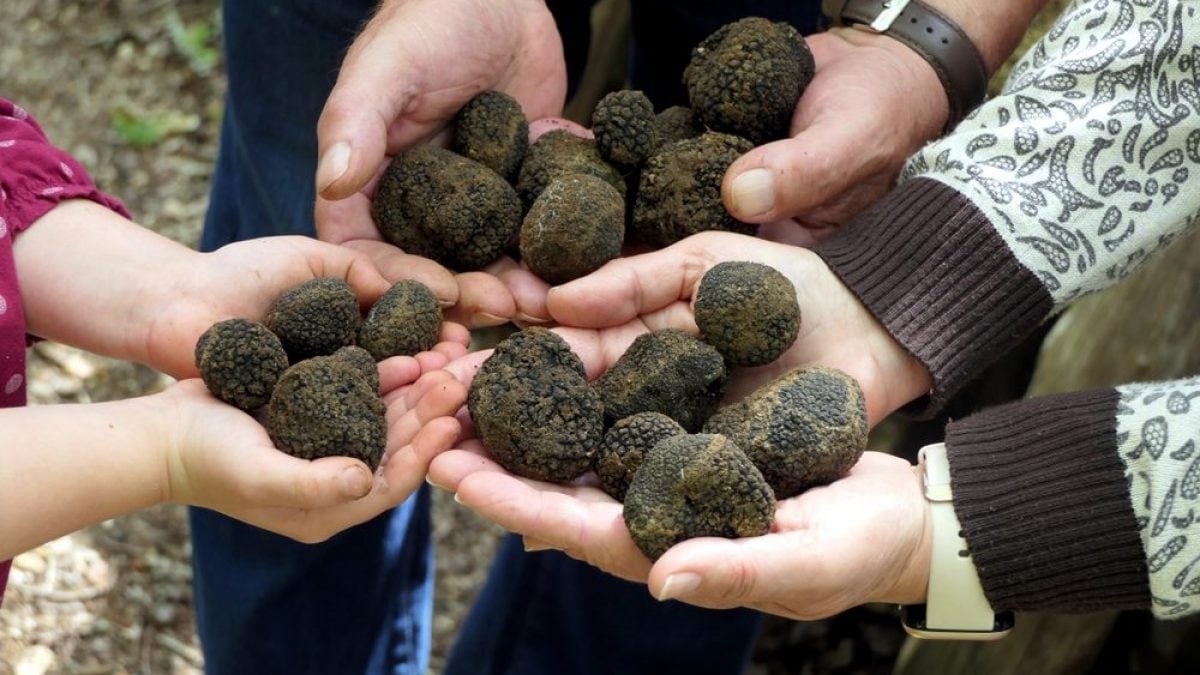
While truffles are collectively considered gastronomic symbols of autumn and winter, summer is the perfect time for the black summer truffle, so-called because it is typically found in the months from May to September. This less renowned —and therefore cheaper —variety than the prized black truffle is not exclusive to any one region (for example, the Alba White Truffle is a Piedmontese specialty), but can be found in various parts of the U.S., such as Oregon, Washington and California. This is a very common underground mushroom, which also has the advantage of being easy to use in the kitchen: thanks to its delicate aroma and flavor, it is versatile, excellent for adding that special aromatic touch without risking overpowering. In short, a truffle that even those who don't like truffles will like: and that's not a flaw.
Black Summer Truffle's Characteristics
The scientific name of the black summer truffle is Tuber aestivum, which refers to its seasonality: commonly, however, it is known by the name “scorzone”, a term that reveals one of its main characteristics, which makes it difficult to go unnoticed. We are talking about the appearance of the peridium (the external part that covers it), which is rough, dotted with very pronounced pyramidal warts. The shape is globular, irregular, while the size and weight vary greatly: from a walnut to the size of a large apple. The interior of the truffle, which contains the spores, is called the gleba and, compared to the prized black truffle, does not retain the dark color of the peridium, but is hazelnut-yellowish, crossed by dense white veins. The flavor and aroma are subtle, with earthy and mushroom notes that are less pronounced compared to other truffles, overall quite pleasant, comparable to those of porcini mushrooms. Precisely because it is a truffle with less pronounced organoleptic characteristics, it enjoys a lower market value: the average price per kilo is around 115 dollars. This cost is considered affordable when you consider that the Alba White Truffle, the king of underground mushrooms, hovers around 340 dollars per 100 grams.
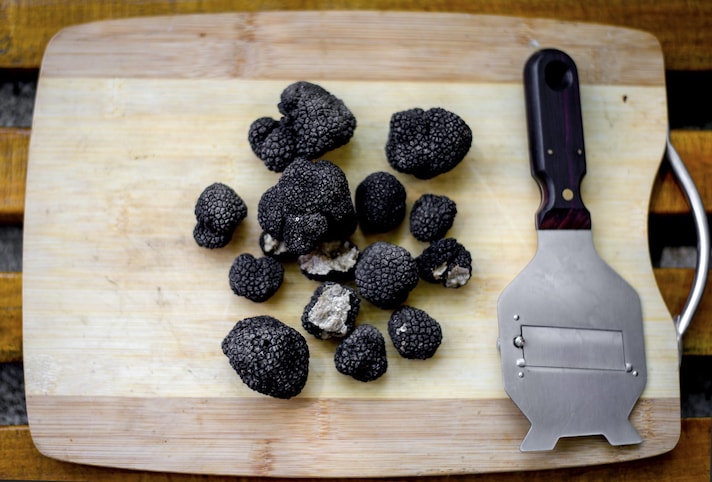
How to Use Black Summer Truffle in The Kitchen
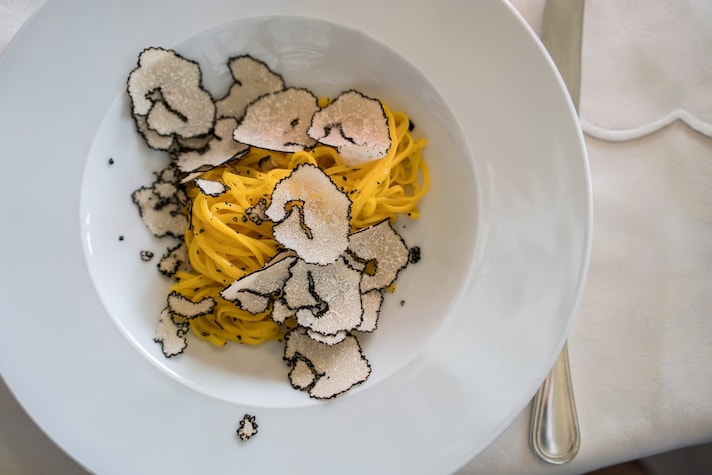
These are the characteristics we've just discussed that make summer truffles a winning card to play if you want to bring a tasty dish with a gourmet touch to the table, without breaking the bank. The scorzone, in fact, is what you might call a good investment, given that it adapts to a variety of preparations: being less valuable, it can be handled without too much "reverential fear," using it in recipes that call for it raw or cooked, sliced or grated. A few grams are always enough, there's no need to overdo it. Therefore, green light is given to final garnishes on hot dishes such as eggs (whether scrambled or sunny-side up), pasta (such as tagliatelle, pappardelle, fettuccine or tajarin) and risottos, or on cold dishes, such as tartare. Furthermore, it can be used as an ingredient in sauces and gravies, heated in a pan with cream or butter, or chosen as a filling for stuffed pasta, finely chopped and combined with ricotta or soft cheeses – from goat cheese to stracchino – and seasoned with simple butter or a mushroom-based cream.
How to Clean and Store Black Summer Truffle
Although the black summer truffle is within the reach of many people, it should not be underestimated: like all truffles, it is a delicate product that must be treated with the utmost care to avoid spoiling it. It is advisable to consume it fresh, within the shortest possible time after harvesting, despite it being more resistant than its counterparts that populate the autumn and winter months. Once brought home, if you are using it immediately, the truffle should be cleaned and rinsed thoroughly under running water and scrubbed with a brush (or a toothbrush) to remove any soil residue that easily gets stuck between its growths, then dried thoroughly. If you are not using it immediately, once purchased, it should be refrigerated: wrap it in paper towels or a handkerchief (as long as it is absorbent, as it must be protected from excess moisture) and stored in a glass container with a lid, changing the wrapping daily. This is the easiest and most effective method to preserve it properly and make it last up to 7-8 days.
;Resize,width=767;)
