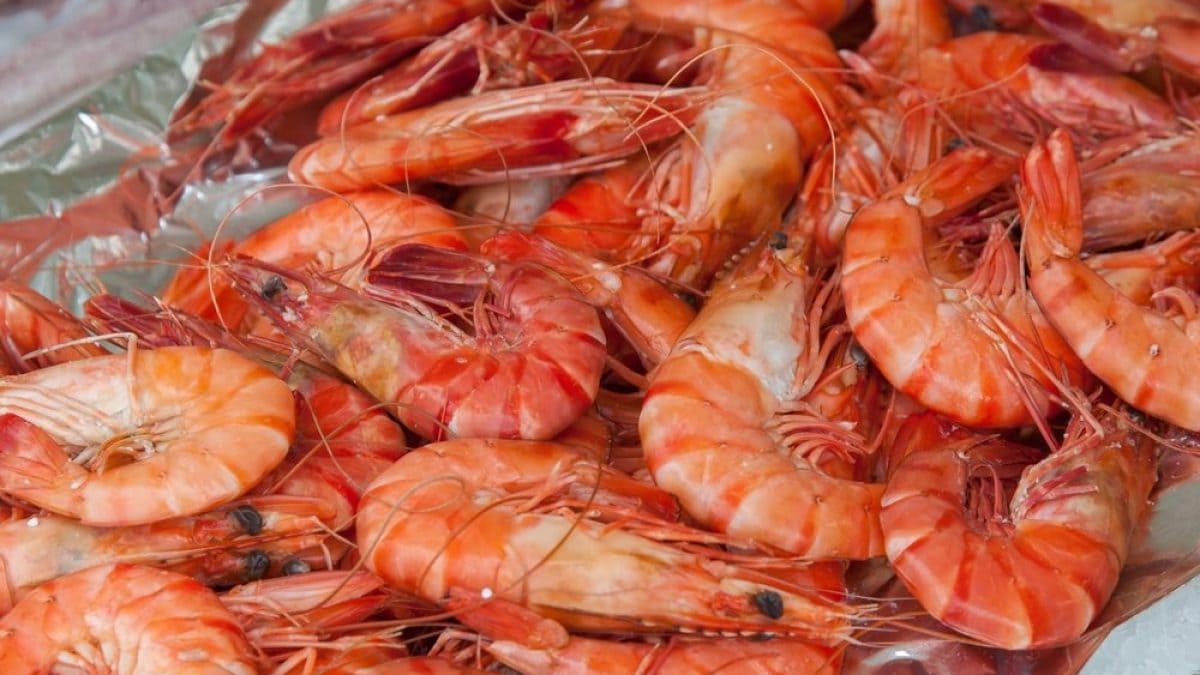
Shrimp are a versatile ingredient for creating delicious and creative recipes, especially popular for special occasions because they easily replace seafood dishes that are generally considered more complicated. These shellfish are perfect for dinner with friends and family, but also for bringing to the table during the holidays, between Christmas and New Year's, when seafood is a frequent feature on menus. Choosing fresh shrimp is a way to enhance any dish: getting advice from your trusted fishmonger is ideal to ensure you're buying quality ingredients, but if you don't have access to them, there are some tricks you can use when purchasing. Let's find out what they are.
How to Recognize and Choose Fresh Shrimp
First, it's helpful to know, before preparing the dish, that you'll most often be faced with shrimp —about 10 cm long and with a delicate flavor—and king prawns, which can reach up to 20 cm, have firmer flesh, and a more intense flavor. That said, a freshly caught product maintains some common characteristics, which you can identify through a sensory analysis that primarily involves sight and smell, since it's more difficult to touch the fish. An important sign of freshness is the shrimp's general appearance. The head is well attached to the rest of the body and has antennae, while both eyes are present, shiny, prominent, and black. If they're missing or appear opaque, then the food may not be top-quality.
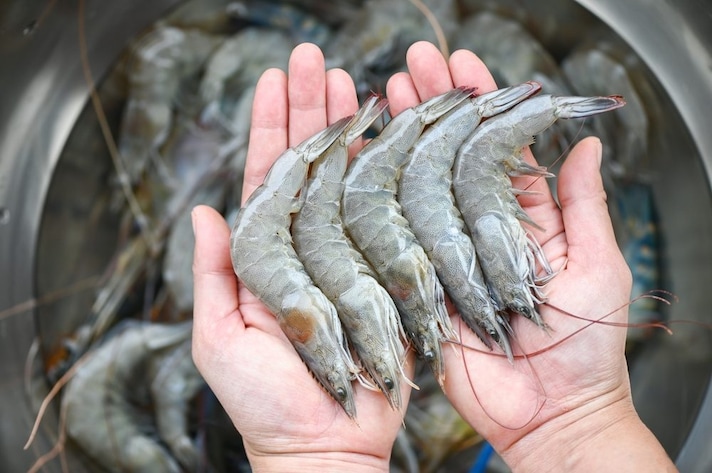
As for color, the hues vary depending on the species, from the naturally pinker and purplish ones (like red or pink Mediterranean shrimp) to the gray-green ones, which turn pink during cooking. What matters is that they are vivid, not dull, with an intact and shiny carapace (the external shell), with all the legs undamaged and unbroken. Avoid those with yellowish hues or with small, obvious black spots, respectively, signs of possible sulfites used to prolong their shelf life and oxidation from contact with air. To the touch, the consistency is firm, never soft or slimy. Finally, trust the smell, whose verdict is final: fresh shrimp give off a pleasantly marine, faint aroma, with no trace of ammonia or more pungent scents, synonymous with the passing of time.
Sustainability, Cleaning and Kitchen Uses Tips
The shrimp found at the fishmonger's counter can be of various species, freshwater or saltwater, and from various sources—Atlantic, Indo-Pacific, or Mediterranean— farmed or wild-caught. Specimens arriving from far away are unlikely to have been preserved, but will most likely be thawed: in China, Vietnam, and Indonesia, the largest production is aquaculture, often intensive. To ensure 100% freshness and, wherever possible, pay attention to sustainability, always check where the crustacean you're targeting was caught.
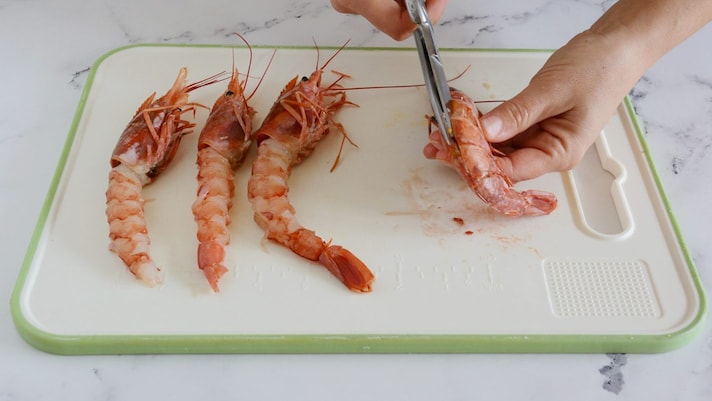
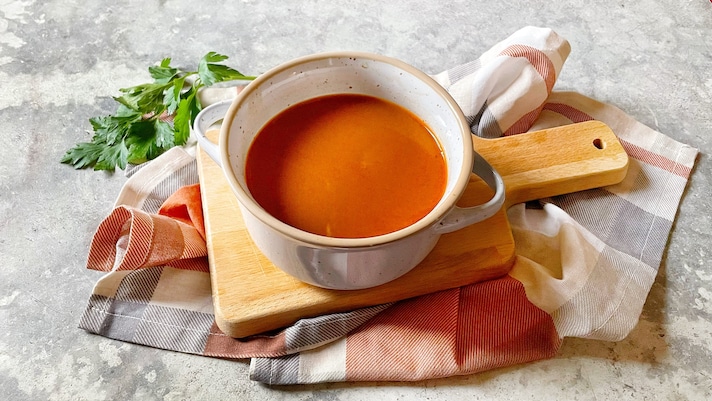
Once purchased, prawns and king prawns must be thoroughly cleaned before being used in various recipes, which feature them with or without the shell: here they are in gourmet dishes like lemon and prawn risotto or simple and delicious main dishes like pasta with prawns and zucchini. They are versatile in any type of dish, perfect paired with oriental-style spices, such as shrimp curry, or in appetizers, from appetizing battered prawns to refined tartares. In the latter, as well as if you plan to make a carpaccio or serve the shellfish raw, in addition to being very fresh, make sure they have been frozen beforehand to avoid the risk of food poisoning. When you discard the shell and head, don't throw them away, but use them for a tasty, waste-free bisque: frozen, they will last for a month.
;Resize,width=767;)
