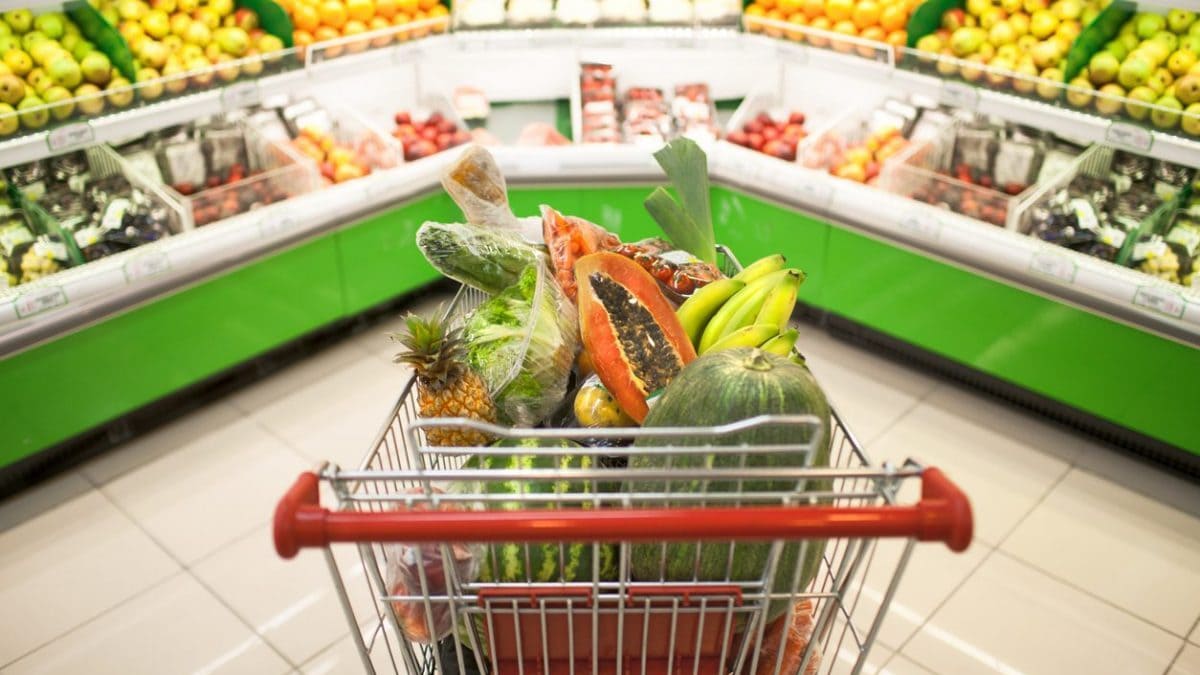
Grocery shopping sustainably not only helps the environment, but can also have a positive impact on your health and your wallet. Choosing what to put on the table is a gesture that goes beyond simply satisfying your appetite. Our eating habits have a significant impact on nature, from the soil to the atmosphere. But how can we shop more sustainably, without sacrificing taste? Let's find out together.
How to Shop Sustainably
This process has a name, and it's called "green marketing." Many consumers choose certain products based on sustainability. A very practical example is electric cars. However, the environmental impact of food is much greater than that of cars, so we have a unique opportunity to do our part and save the planet. Every food we consume has a story, often linked to intensive farming practices, long-distance transportation, and excessive packaging. These activities generate greenhouse gas emissions, pollute water, and consume precious resources.
When we talk about "sustainable spending," we're primarily referring to the environment, but we must never forget that it must also be economically sustainable. The concept of green marketing can't be delegated only to the wealthy, otherwise the disparity will increase. So, let's look at some practical suggestions to make the Earth smile and keep your wallet healthy.
1. Plan Your Meals and Make a List

Planning your meals for the week and making a detailed list will help you buy only what you really need. This reduces impulse purchases and food waste. It also avoids overloading your inventory with foods that might expire before you consume them.
2. Buy Local and Seasonal Products
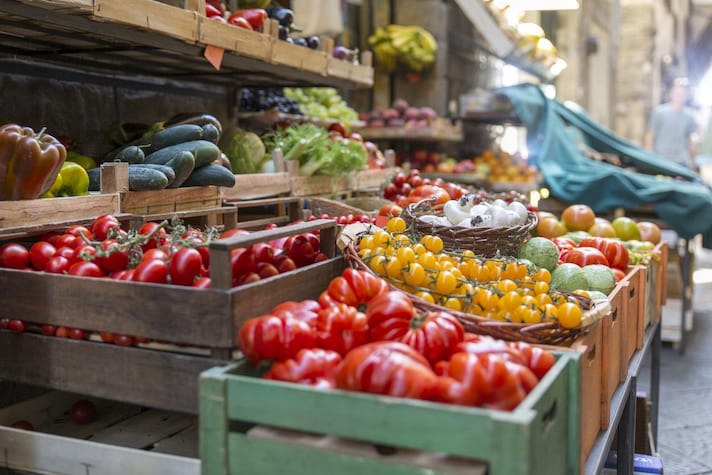
Opting for local, seasonal fruits, vegetables, and other foods reduces the environmental impact of transportation and long-term storage. Furthermore, seasonal produce often tastes better and costs less. When we buy products that grow naturally during the current season and in our region, we drastically reduce the distance food travels to reach our tables. Less transportation means fewer greenhouse gas emissions; furthermore, by buying from local producers, we help support the local economy, creating a virtuous cycle that promotes artisanal, quality products.
3. Choose Loose Products and Reduce Packaging
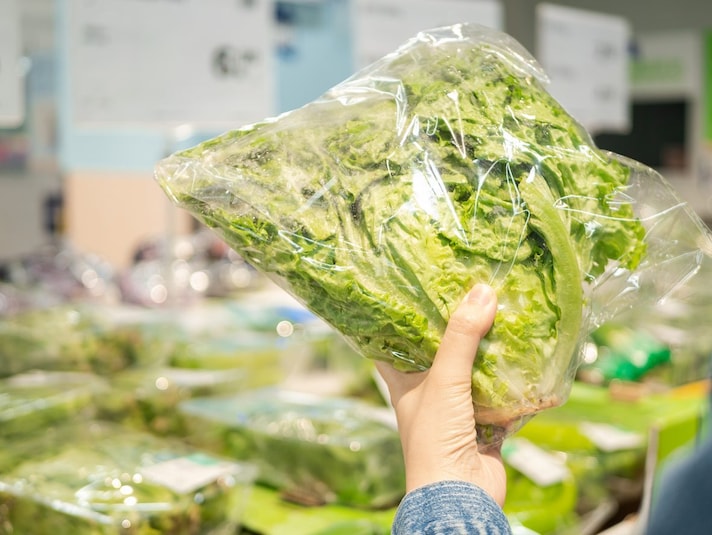
Plastic packaging is a major cause of pollution. Choosing loose products (like legumes, grains, and nuts) and using reusable bags helps reduce waste. Furthermore, filling personal containers for products like detergent or shampoo in bulk is an excellent sustainable option, both for the environment and for our wallets, as they usually cost less.
4. Choose Organic and Certified Foods
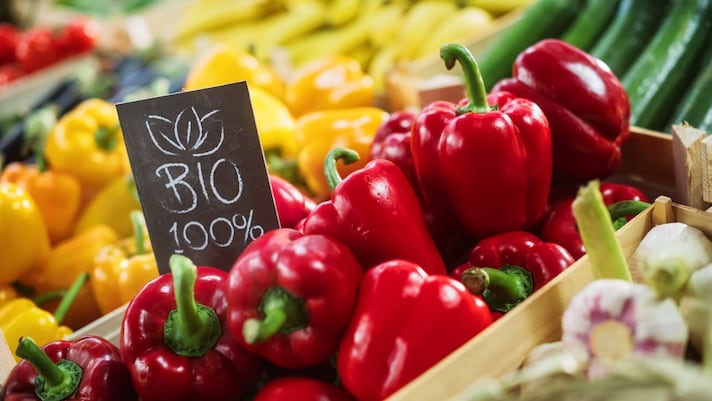
Organic foods are grown without chemical pesticides and synthetic fertilizers, helping to preserve soil and water health. Certifications such as Fair Trade or other ethical labels also guarantee that products have been produced with respect for the environment and workers. Organic farming practices promote crop rotation, the use of local varieties, and the presence of hedges and rows, thus promoting biodiversity. Many studies suggest that organic products may contain more nutrients than conventional ones, although further research is needed to confirm these findings. How can you recognize an organic product? To be sure you're buying an organic product, look for the USDA organic farming logo, a circular green-and-white logo. This logo certifies that the product has been grown or raised according to organic farming standards.
5. Reduce Your Meat and Dairy Consumption

Meat production, especially beef, has a significant environmental impact in terms of water consumption, land use, and greenhouse gas emissions (cow flatulence and belching are a huge problem). Reducing your meat and dairy consumption, perhaps by introducing more plant-based proteins into your diet, is an environmentally friendly choice. If you prefer to continue consuming them, look for products from sustainable farms.
6. Avoid Food Waste (Trivial But Important)
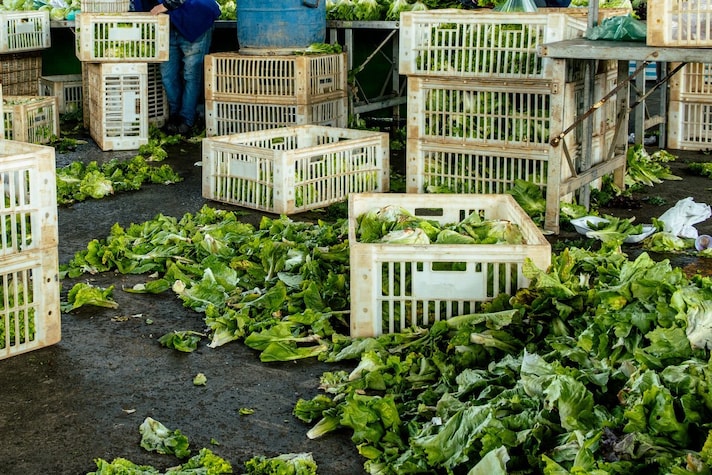
Food waste is a major environmental and economic problem. Try to store food properly, consume it before it expires, and reuse leftovers to create new recipes. Even learning the difference between "best before" and "use by" can help you avoid throwing away still-good food.
7. Read The Labels Carefully

Learn about the origin of products, the ingredients used, and how they're produced. Opt for organic and locally sourced products. Food labels are a valuable source of information that allows us to make informed choices. They're perhaps the most powerful weapon we possess, especially because in the U.S.A. (thanks to the FDA regulations), labels are very detailed.
By reading them carefully, we can understand where a food comes from, allowing us to evaluate its freshness, seasonality, and mileage. We can also check for additives, preservatives, colorings, and other ingredients we might want to avoid. Labels also inform us whether a product is organic, locally sourced, or sourced from sustainable agriculture. They tell us everything, beyond the nutritional values we need to pay attention to, so not taking advantage of them is a real shame.
;Resize,width=767;)
