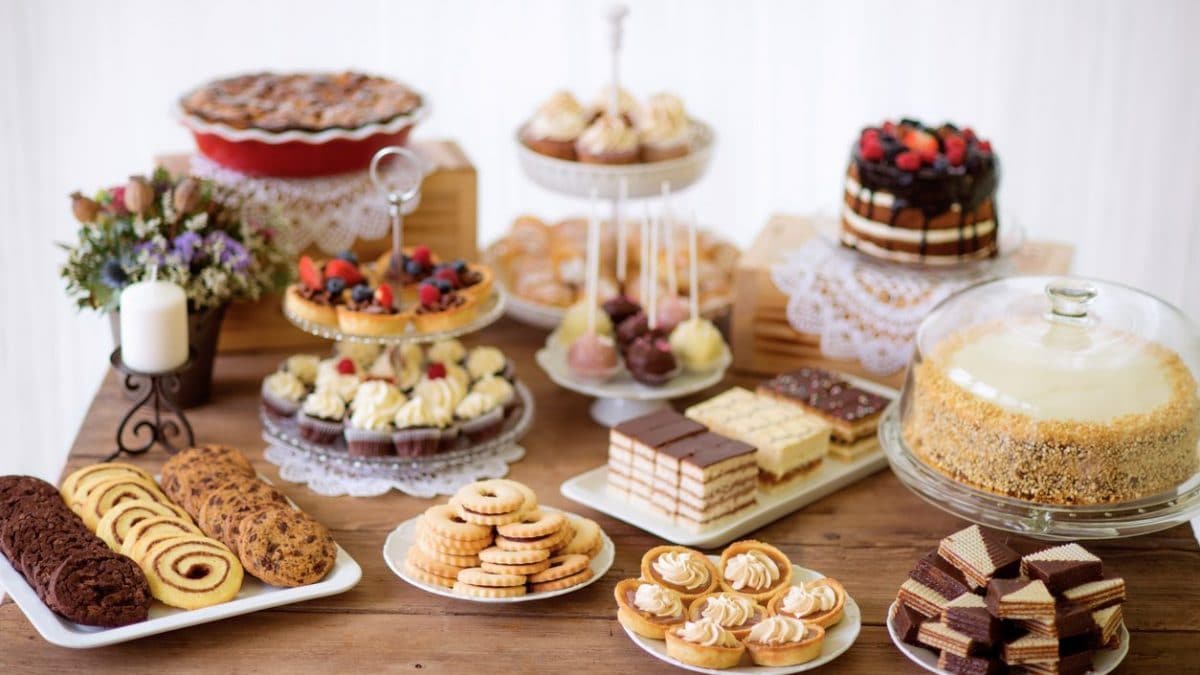
Homemade cakes, pies, ring cakes, and cookies always convey a touch of warmth and authenticity. Making them to celebrate a birthday, an anniversary, or simply to treat yourself is a deeply meaningful gesture. However, after enjoying them, a question inevitably arises: how to store homemade desserts for the next few days? Airtight containers, cling film, and covers can help, but they're not enough: a ring cake, for example, should be kept in a dry place, while a tiramisu should be refrigerated. Here's a practical guide to protect your creations and fully enjoy their flavor.
Ancient Conservation Techniques Between North and South
Before the advent of the refrigerator, families relied on ingenious methods and the products that nature offered. In the North, thanks to the cooler temperatures, the use of the cupboard or pantry was widespread: dry, ventilated spaces in which to store sweets, aptly called "cupboard desserts," often wrapped in linen cloths to protect them from humidity. In the South, however, where the hot, humid climate risked making desserts lose their fragrance, it was common to cover the surfaces with icing or add alcohol (such as Marsala or rum) to the mixture.
Another ancient method, was the use of honey or sugary syrups, which created a sort of barrier against bacteria, slowing the dessert's deterioration. These natural remedies, now complemented by the use of modern appliances and materials, testify to the great creativity of past generations in preserving their delicacies.
The Cold Revolution
With the advent of the refrigerator in the 20th century, preservation techniques underwent a veritable revolution. Appliances made it possible to keep desserts fresher for longer, reducing the risk of mold or spoilage. However, not all desserts benefit from refrigeration: some, like dry biscuits, can lose their crunchiness if stored in humid environments.
Today, there are numerous tools and materials that facilitate preservation. Airtight containers, for example, are ideal for protecting desserts from air and humidity, preserving their flavor and texture. Cling film and parchment paper are also valuable allies, especially for wrapping cakes and pastries.

Which Containers Should You Use to Keep Your Desserts From Drying Out?
To keep cakes soft and fragrant for longer, it's essential to choose the right container. A cake left out in the open tends to dry out quickly, while excessive humidity can compromise its texture. Depending on your needs, there are several solutions to best protect it:
- Glass bell jar or cake stand: ideal for isolating the cake from dust and drafts, while allowing a minimum amount of humidity to escape. Before closing the bell jar, make sure the cake has cooled completely to avoid condensation.
- Cling film or aluminum foil: If you don't have a cake dome, carefully wrapping the cake is a quick and effective method. Again, it must be completely cold: internal humidity could compromise its consistency and encourage mold growth.
- Airtight containers: If you need to transport or protect a donut, a rigid container (plastic or glass) is a great option. Choose one of the right size, not too big or too small, and make sure it's completely clean and dry before use.
Store these cakes in a cool, dry place, away from heat or humidity (such as the stove, oven, or dishwasher). This way, you can enjoy them for several days, their flavor and texture remaining unchanged.
1. Soft Pantry Desserts Without Creams

Baked goods such as bundt cakes and loaf/pound cakes (without creamy fillings) keep well at room temperature, as long as they're protected from air and humidity. To preserve their texture, it's helpful to use a cake dome or wrap the cake in plastic wrap, as described in the previous section. This helps maintain their softness and prevent drying out. Under optimal conditions, these desserts can stay fresh for 2-4 days, remaining tasty and inviting.
2. Tarts, Pies and Shortcrust Pastry

Tarts, pies and shortcrust pastry bases keep well at room temperature, but it's important to protect them from humidity to prevent them from becoming too soft. If filled with jam or hazelnut spread, they can stay fragrant for 2-3 days, wrapped in cling film or stored under a lid.
3. Leavened Doughs and Brioches

Important leavened products such as panettone, as well as brioche, stay soft at room temperature for a couple of days, provided they're kept in a food-safe bag or covered with a cake dome. If they lose their fragrance, simply warm them briefly to restore their soft, fragrant consistency.
4. Biscuits and Dry Pastries

Cookies, pastries, and small pastries must be carefully stored to maintain their crispness and flavor. Moisture is the main enemy of these preparations, so it's essential to store them in suitable containers. Tin or aluminum containers are the most traditional choice, as they protect the cookies from air and help preserve their crunchy texture. To prevent them from softening, you can place a sheet of absorbent paper inside to capture any excess moisture. Airtight glass jars are also a good alternative, especially for pastries without cream fillings, as long as they are perfectly clean and dry before use. As with dry desserts, it's important to store these products in a cool, dry place, away from heat and humidity, which could compromise their fragrance and consistency.
5. Cakes With Creams and Whipped Cream

Cakes filled with custard, Chantilly cream, or whipped cream should be stored in the refrigerator and tightly covered to prevent them from drying out or absorbing odors. Ideally, use an airtight container or cake cover. If the cake has delicate decorations, it's best to cover it with a high lid to prevent it from spoiling. It should be consumed within 2-3 days to maintain its freshness and consistency.
6. Tiramisu and Cold Desserts

Preparations made with cream, whipped cream, mascarpone, or spreadable cheeses, such as tiramisu, mousse, and filled cakes, must be stored in the refrigerator to prevent the fresh ingredients from spoiling. It's important to protect them properly, as leaving them uncovered could alter their flavor and texture due to the humidity and odors present in the refrigerator. Ideally, use an airtight container or a baking dish with a lid, but alternatively, you can cover the dessert with plastic wrap or aluminum foil, taking care to leave a little space between the covering and the surface of the cream to avoid ruining it. To ensure a stable temperature, it's best to place it on the middle or upper shelves of the refrigerator, avoiding areas most exposed to temperature changes. These desserts should be consumed within two or three days to preserve their freshness and quality.
How to Freeze Ice Cream Cakes
Freezing is an excellent way to preserve homemade desserts, but it's essential to let them cool completely before storing them in the freezer. Cakes can be frozen whole or in slices, wrapped in plastic wrap and stored in an airtight container. Cookies and dry pastries also keep well, as long as they're sealed to prevent ice buildup and flavor loss.
To thaw them without altering their consistency, it's best to transfer them from the freezer to the refrigerator a few hours before bringing them to room temperature. Particular care should be taken with desserts with icing or cream, which should be covered with parchment paper or stored in tall containers to avoid crushing.

Ice cream cakes can be stored in the freezer for longer periods, up to 30 days. It's essential to always keep them at a constant temperature and, when needed, remove them from the freezer a few minutes early so they can be easily cut and enjoyed. Avoiding temperature shock and keeping the dessert well-sealed is key to preserving the creamy texture and original flavor.
;Resize,width=767;)
