
Fresh, versatile, and perfect for beach lunches, picnics, or quick summer dinners, potato salad is a great classic of the warmer months. Despite its undisputed success, this beloved dish—like its main ingredient, potatoes — is viewed with suspicion by those watching their weight or following a low-calorie diet.
But is this really the case? Is this a dish too high in carbohydrates or can it spike blood sugar levels? Obviously not: it all depends on the context, the quantities, and especially the seasoning used. To dispel this myth and shed light on the matter, we asked Dr. Simone Gabrielli, biologist and nutritionist, for clarification.
We will discover that we have no need to fear potatoes, an excellent source of complex carbohydrates, and that just a few tricks are enough to transform them into a healthy and balanced one-dish meal.
Do Potatoes Make You Fat?
Let's immediately dispel this persistent myth. "In reality, potatoes are an excellent source of energy, rich in potassium and vitamin C, and there's no reason to be afraid of them," Dr. Gabrielli immediately reassures us.
And it doesn't end there: compared to other sources of complex carbohydrates, potatoes offer a pleasant surprise for those watching their weight: "For the same weight, potatoes are lower in calories than other carbohydrate sources like pasta or rice. This allows us to put a slightly more generous portion on the plate, increasing the volume of the meal and ensuring a great feeling of satiety without weighing down the calorie count."
The secret, therefore, is not to demonize their glycemic index, but simply to learn how to manage it at the table, creating a single, balanced and nutritionally valid dish.

How to Make a Healthy and Balanced Potato Salad
To transform potato salad into a complete, balanced and low-glycemic meal, just follow the rule of the balanced single dish, combining a source of complex carbohydrates – in this case our beloved tubers – a source of proteins with a high biological value, a portion of good fats and, finally, a source of vegetable fibers to provide the right amount of vitamins and mineral salts.
"Pairing the right macronutrients with the carbohydrates in potatoes helps slow the absorption of sugars into the blood, preventing insulin spikes and ensuring prolonged satiety throughout the afternoon," Gabrielli explains.
Here are the three essential elements to complete your potato salad in the best possible way:
- Lean proteins with high biological value; choose a quality protein source to give structure to the meal. There are countless options, and they all pair wonderfully with the texture of potatoes: among animal sources, you can select tuna fillets in brine, smoked salmon, shredded chicken breast, soft-yolked eggs, cottage cheese, or feta cheese. Among plant-based sources, you can opt for pre-cooked legumes such as chickpeas, beans, lentils, peas, or edamame.
- Vegetable fiber: not only does it increase the feeling of satiety, but it also helps us keep blood sugar levels under control and avoid those dreaded spikes. Choose fresh, raw or cooked vegetables, depending on your personal preference—the important thing is that they're present—such as green beans, cherry tomatoes, julienned carrots, grilled zucchini, pepper strips, cucumber rings, celery, or sliced red onion. Furthermore, and not to be underestimated, they add color and crunch to the dish, providing a pleasing visual experience.
- Good fats: Forget processed sauces or excessively caloric dressings; the king of condiments remains extra virgin olive oil, which should be added strictly raw. This way, you can decide the amount of fat to add to your preparation. For an extra boost of flavor, use apple cider vinegar (which helps mitigate the glycemic response), pomegranate vinegar, lemon juice, and lots of fresh herbs like parsley, mint, basil, dill, coriander, or chives.
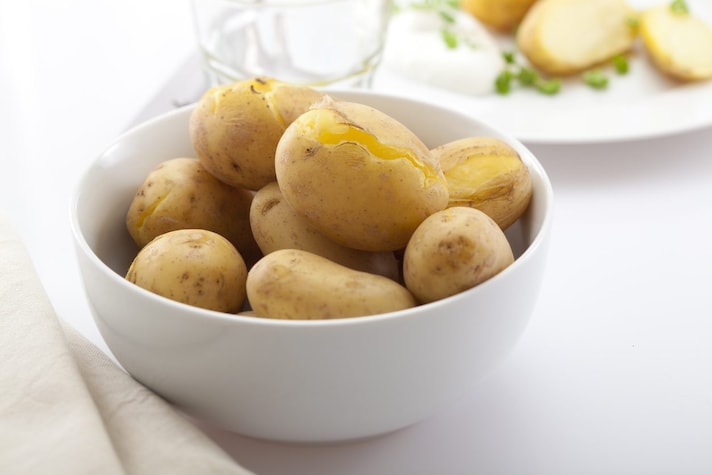
Cold Potatoes and Their Glycemic Index
Does it make sense to let potatoes cool after boiling to lower their glycemic index? "We often hear this online, and in theory it makes sense, but in reality, it makes very little difference: the amount of starch that becomes resistant, and therefore less absorbable, is truly minimal and isn't enough on its own to make a difference in the blood sugar levels of an entire meal," says the nutritionist.
It's much better not to get lost in these laboratory technicalities and focus on what really matters: creating a balanced dish. The real secret to slowing the absorption of sugars and avoiding glycemic spikes isn't the temperature of the potatoes, but how we pair them and finally season them. Remember to always add fiber and protein, and finish everything off with a drizzle of extra virgin olive oil and/or a few diced ripe avocados, preferably Hass, for an irresistible creamy finish.
"If you like potatoes cold, that's fine: I prefer them cold in potato salad, especially if I eat them with octopus and cherry tomatoes or with green beans and chickpeas", Gabrielli finally suggests.
;Resize,width=767;)
