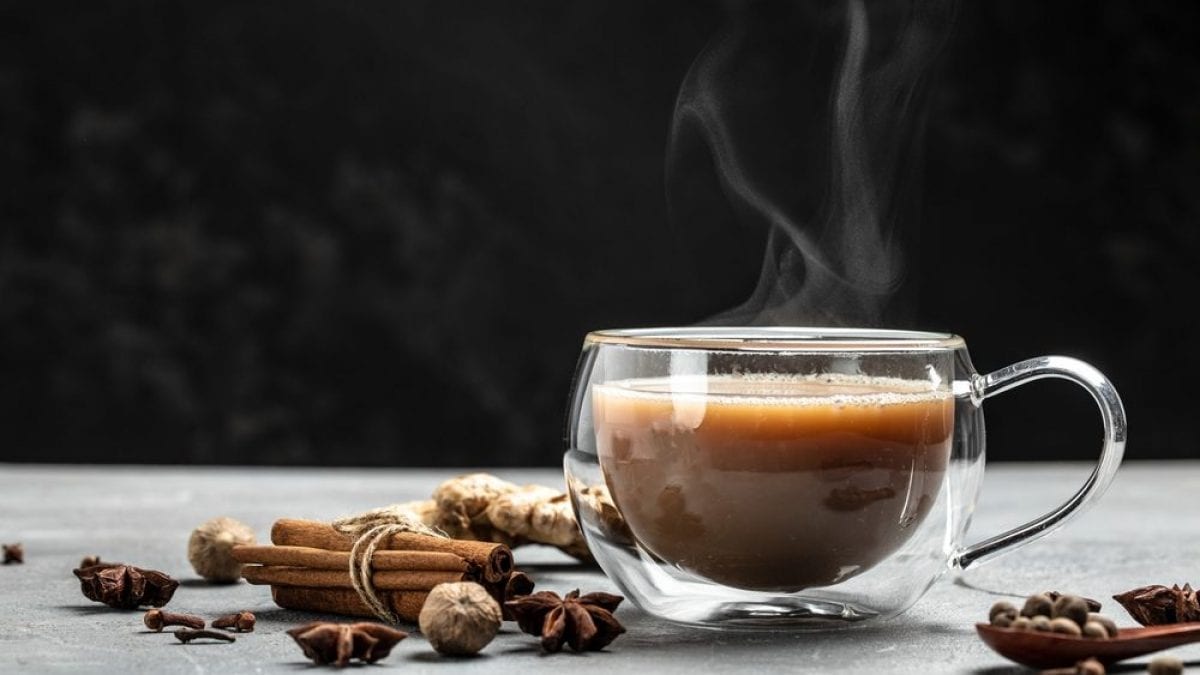
India is one of the world's largest producers and consumers of tea, a legacy dating back to British colonization that, over the years, has become much more than simply adopting British customs: today it is a true economic engine, as well as part of traditional Indian culture. So much so that one of the world's most famous tea blends comes from India: chai tea, or masala chai, a particular, intense and spicy blend that is a true national drink for Indians.
Although it's not yet widespread in the rest of the West, it's found in many European cafes and has driven American consumers crazy, who have become as passionate about chai tea as the now-ubiquitous matcha tea. This is because it's a truly unique drink: it's prepared not just with tea leaves but also with a blend of various spices, as a decoction, not just by infusion, in a mixture of water and milk. Why this particular preparation? It's all part of its history: partly to save on the quantity of leaves to use, partly due to the influence of local flavors. When the English in the 20th century launched a promotional campaign to encourage workers to take a tea break, the Indians didn't serve it the English way but their own way, with lots of sugar, spices, and lots and lots of milk.
The Indian Tea Association attempted to discourage this practice, which it considered economically unprofitable, but "Indian tea," or masala chai, eventually gained popularity. The result is an intense, flavorful, delicious beverage that's also good for you: originally, the spices used were chosen for their health benefits, and even today, those found in every recipe are a veritable treasure trove of health benefits. Let's discover together the characteristics and benefits of chai tea, and above all, how to prepare it perfectly at home.
What is Chai Tea?
Chai tea is a particular drink of Indian origin that is obtained from a decoction based on water, milk, black tea leaves and spices: the word “chai” means tea in Hindi, while the word “masala” refers to the combination of spices (yes, just like garam masala) and in fact the drink is also known as masala chai.
A traditional drink from India and Southeast Asia, it has become popular around the world, although in the West it's more of a tea to try. In India, this isn't the case; in fact, the drink is considered a true health miracle, precisely because of its blend of spices, which infuse it with a whole host of beneficial properties, which we'll discuss shortly.
In India, chai tea is almost a street food, sold by street vendors known as Chai Wallahs, and this is one of the many reasons why it is very difficult to establish a single recipe for the drink: each person prepares it with their own personal mix of spices, which vary according to their own tradition, region, and even the season; originally, the spices were even chosen precisely for their properties, following the principles of traditional Indian medicine, Ayurveda. However, there are a series of recurring spices that appear in almost all versions of chai tea, particularly cardamom, cinnamon, ginger, star anise, cloves, and pepper.

In addition to spices, according to tradition, chai tea is made from strong black tea, a liquid made from the union of water and milk (in which tea leaves and spices are infused) and sugar, used to sweeten directly during cooking because the drink must be enjoyed very sweet and because sugar amplifies and enhances the flavour of the spices.
Chai Tea's Properties and Possible Contraindications
Chai tea is considered a true miracle for the body in India, and for good reason: it's precisely the blend of spices that make chai tea that makes the drink beneficial for various conditions and supports several natural processes in the body. In particular, science reveals that it can be beneficial as an anti-inflammatory and antibacterial, properties found in spices such as cinnamon and cloves.
Some studies have shown that regular consumption of black tea can help improve cardiovascular health by reducing LDL cholesterol levels and blood pressure, while the spices found in chai, particularly ginger and cinnamon, can promote better digestion and aid in blood sugar control. Furthermore, the polyphenols in black tea and the bioactive compounds in spices play a protective role against oxidative stress and chronic inflammation, supporting overall well-being.
Each spice in chai tea has a specific benefit for the body. Cardamom, for example, helps lower blood pressure and thus ward off the possibility of heart disease, while cinnamon contributes to better blood sugar control, reducing the risk of diabetes. And then there's ginger, a truly "magical" ingredient: among its many properties, it has anti-nausea effects and is excellent for strengthening the immune system, so much so that it's used specifically to prevent winter colds.

Added to all this are the benefits of black tea, excellent for reducing oxidative damage, thanks to the presence of polyphenols such as theaflavins and catechins, and the strong revitalizing, antidepressant, and anti-stress effects produced by its high L-theanine content. This amino acid acts on GABA receptors and brain neurotransmitters to help regulate sleep disorders—often an integral part of the vicious cycle of stress—as well as improving mood and increasing alpha wave activity, which induce feelings of calm and relaxation.
Despite all these excellent properties, there are some minor contraindications, primarily precautions regarding specific conditions in which it's best to avoid consuming chai tea. For example, given its high spice content, it's best to avoid it during pregnancy and breastfeeding, and it's best to limit its consumption if you suffer from acid reflux, as black tea is very strong and, like coffee, can cause heartburn if you already suffer from these conditions. It can also interfere with the intake and effects of certain medications, so if in doubt, it's important to consult your doctor.
How to Prepare and Enjoy Chai Tea
Today, chai tea is popular worldwide, making it easy to find commercially produced versions with ready-made blends or prepackaged tea bags. These are obviously imitations of the original beverage, but we recommend preparing it according to the traditional method to fully enjoy its deliciousness and benefits. Also because it's a very easy beverage to prepare, the key is choosing quality ingredients to maximize the flavor and properties of each product.
To make chai tea, it's best to buy fresh spices and crush them by hand in a mortar and pestle. If you don't have one, you can also place them in a plastic bag and crush them with a rolling pin or meat tenderizer. The base of the mix is cloves, cardamom, cinnamon, and pepper, to which you can add other ingredients according to specific recipes or your own personal taste (for example, nutmeg, fennel seeds, licorice root, and star anise are used). These spices should be ground into a powder, while fresh ginger should be added directly to the pot.

Place all your ingredients and the black tea leaves in a saucepan, turn the heat to medium, and lightly toast the mixture, stirring constantly to prevent the spices from burning. This allows the flavors and aromas to develop and blend. After a couple of minutes, add the water to the saucepan and bring to a boil. Then, add the milk and sugar, stirring constantly, and cook for another 5 minutes over medium heat to prevent the milk from burning. At this point, turn off the heat, strain the liquid, and pour it into cups. You can sweeten it further if desired by adding honey (in India, tradition dictates that the drink be very sweet). As a finishing touch, sprinkle the top with a dusting of cinnamon.
;Resize,width=767;)
