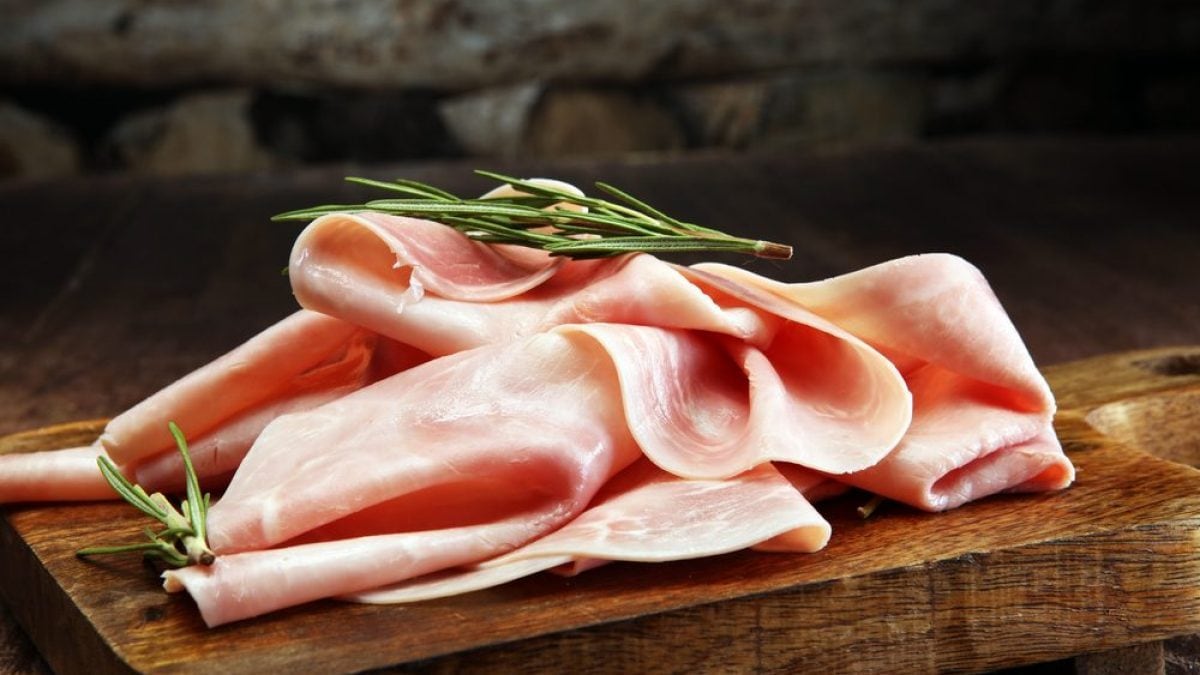
According to the WHO (World Health Organization), deli cooked ham is carcinogenic and has been classified by the International Agency for Research on Cancer (IARC) in Group 1 of carcinogens along with smoking, alcohol, and asbestos. However, this is not a recent discovery; the classification as a "type 1 carcinogen" dates back to 2015. Furthermore, not only cooked ham is among the known carcinogens for humans, but all processed meats as well. Let's shed light on the real risks with nutrition biologist Simone Gabrielli, explaining why frequency of consumption and the dietary context matter, without creating false alarmism.
Which Processed Meats Are Known to Be Carcinogenic to Humans?
As we have already mentioned, all elaborate or processed meats are classified as known carcinogens for humans, therefore all those that have undergone a process to increase their preservation such as:
- Cold cuts such as the aforementioned cooked ham but also salami, mortadella, speck, bresaola, etc.
- Cured meats such as frankfurters and sausages.
- Dried, canned, or fermented meats.
In short, if it's not fresh meat, like chicken breast or pork steak, it's processed meat. Why have they included them in the group of certain carcinogens along with alcohol, smoking, and asbestos? Because epidemiological data have shown that those who consume these products extensively have a higher risk of developing certain types of cancer, particularly colorectal cancer.
Why is Deli Cooked Ham Carcinogenic?
Why is deli cooked ham a proven carcinogen, but pork steak isn't? There isn't a single culprit, but a combination of factors:
- Heme iron (a form of iron bound to the proteins hemoglobin and myoglobin, found primarily in animal-based foods), particularly abundant in red and processed meats, can increase oxidative stress and contribute to DNA damage.
- Nitrates and nitrites used as preservatives can transform in our body into nitrosamines, substances with a strong carcinogenic potential.
- The processing, smoking and curing processes favor the formation of heterocyclic amines and polycyclic aromatic hydrocarbons, genotoxic molecules capable of damaging DNA.
- The high salt content contributes to the creation of a chronic pro-inflammatory environment, which in the long term can promote pathological processes.
- Finally, recent studies show that habitual consumption of processed meats can alter the intestinal microbiota, favoring bacteria that transform nitrogenous compounds into pro-carcinogenic metabolites and reducing the production of protective metabolites, such as short-chain fatty acids.
It's important to remember that these conclusions are drawn almost exclusively from observational studies. In these types of studies, processed meat consumption is often associated with overall less healthy lifestyles, such as a sedentary lifestyle, smoking, alcohol consumption, high-calorie diets, and low fiber intake. Fiber, in particular, is essential for the well-being of the gut microbiota and overall metabolic health.
Does Eating Deli Cooked Ham Cause Cancer?
No, these foods increase the risk of developing cancer, but they don't automatically cause it. This means that if a person eats well—the right amount of fiber from fruits, vegetables, legumes, and whole grains—exercises physical activity, and has an overall balanced lifestyle, if they eat a pizza with ham on top or any processed meat on the weekend, the risk of developing cancer will be very low. Conversely, the more processed meat you eat, the more unbalanced your diet, and the higher your risk.
How often can you consume cured meats and in what quantities? According to the CREA Guidelines for a Healthy Diet, a 50g portion should be consumed no more than once a week.
Is Deli Cooked Ham Comparable to Cigarette Smoke, Alcohol and Asbestos?
No, this category includes all known human carcinogens, but that doesn't mean they're all at the same level. It's also important to clarify one last thing: we're talking about all processed meat, so there's no difference between industrial ham and ham from a trusted farmer; it doesn't change anything in terms of health. Of course, artisanal ham will be tastier, more authentic, and more traditional, but it's still a product to be consumed occasionally due to the same problems listed above.
In conclusion, as always, it's not the individual food that makes the difference, but the frequency and context in which we consume it. A slice of salami every now and then doesn't change anything and isn't a problem. The key is when it becomes a daily habit and takes up too much space in our diet. Balance, variety, and awareness: that's where health truly comes into play.
;Resize,width=767;)
