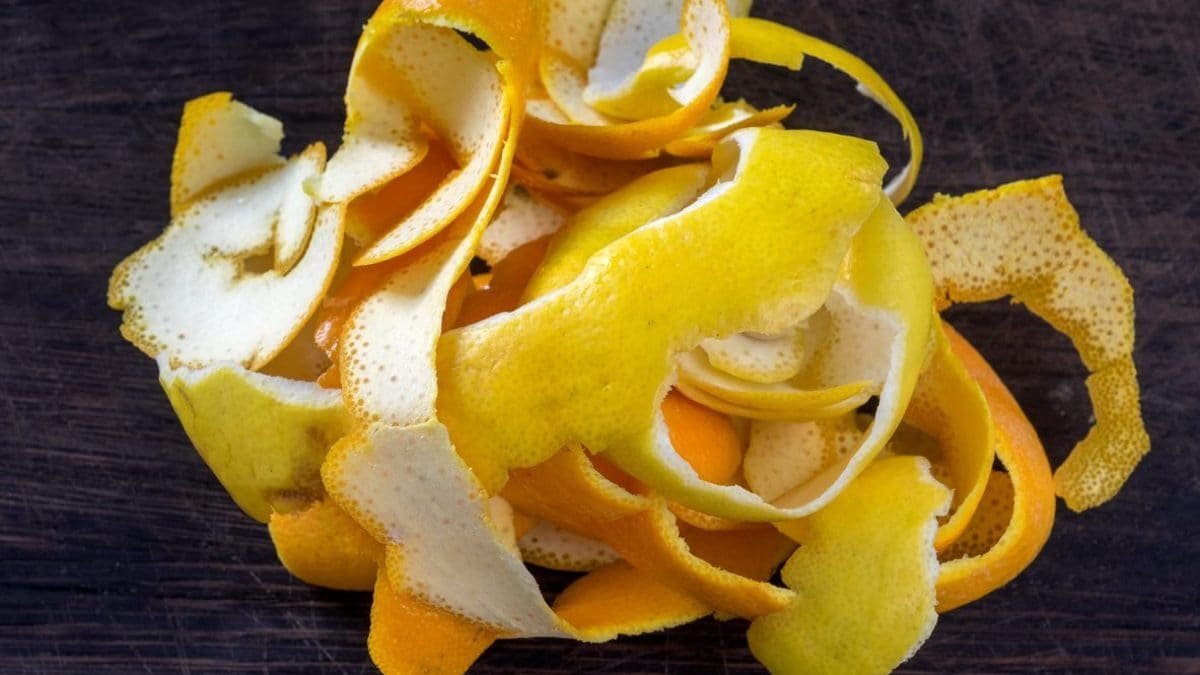
Imagine a future where the plastic you use every day comes from the oranges and lemons you love so much. It sounds like science fiction, right? Yet, thanks to limonene, this scenario is increasingly closer to reality. A study by the National Research Council and the University of Palermo published in the scientific journal Chemical Communications explains how non-polluting, bioplastic could be obtained from citrus waste.
What is Limonene and How Could We Make Plastic From Its Peels?
Limonene is a natural compound found in citrus peels, responsible for their unmistakable scent. In addition to its traditional uses as a flavoring and fragrance, limonene is used in the production of cosmetics, toothpastes, and even as a natural cleaning solvent.
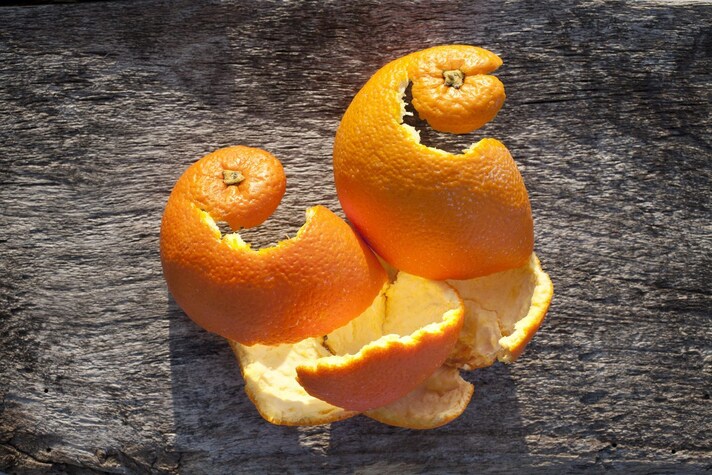
A team of researchers from the National Research Council and the University of Palermo has developed an innovative method to transform limonene into a bioplastic called polylimonene carbonate. This material is not only environmentally friendly, but also has superior properties compared to other bioplastics currently on the market.
The process involves the oxidation of limonene using sunlight and oxygen, resulting in limonene oxide, the key component for bioplastic production. This sustainable approach could revolutionize the plastics industry, offering an eco-friendly alternative while also enhancing the Sicilian citrus fruit industry, the country's leading producer of limonene. The use of limonene-based polyether is useful as a green plasticizer for PLA (polylactic acid), another bioplastic derived from renewable sources. The addition of this polyether improves the flexibility, thermal stability, and hydrophobicity of PLA, making these materials ideal for applications such as food packaging or biodegradable agricultural films.
This research was confirmed more recently in a study published in the Chemical Engineering Journal, where scientists created other high-performance bioplastics from citrus peels: "Our approach was based on the separation of cellulose, pectin, and lignin from citrus peels. Secondly, we recombined pectin and cellulose to form a slurry for film casting. The resulting pectocellulosic films possessed excellent mechanical properties, biodegradability, recyclability, and antioxidant properties."
;Resize,width=767;)
