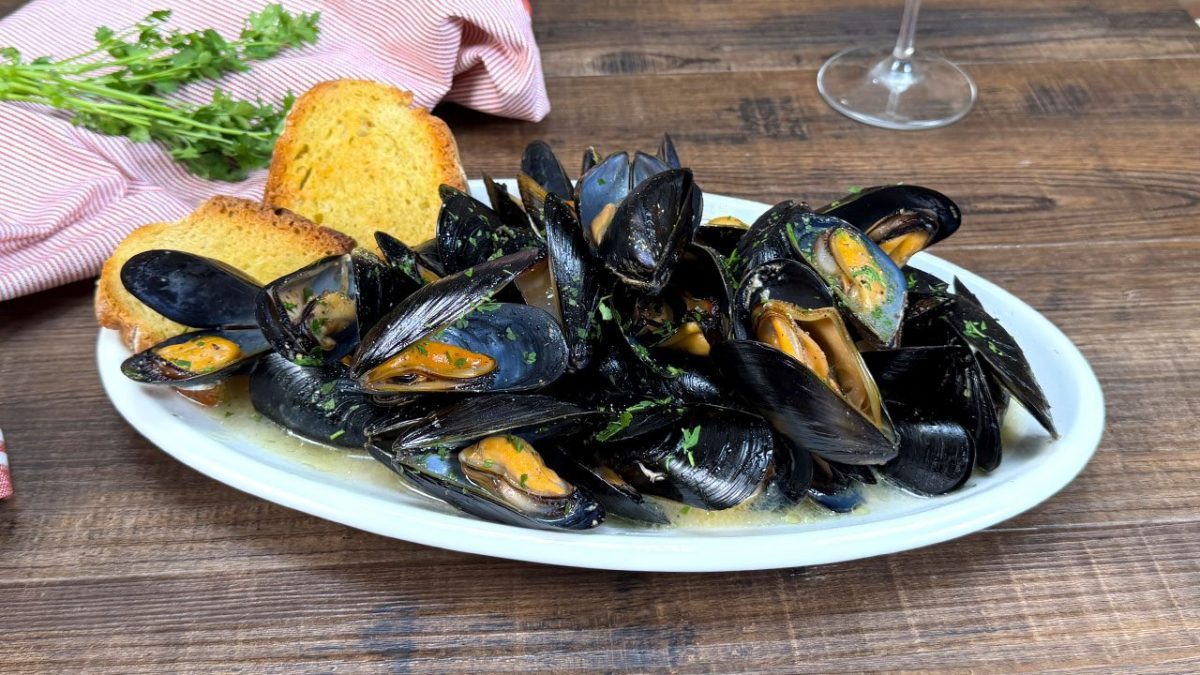
We still have before our eyes the scene of our grandmother, after buying mussels between September and April, scolding us by telling us they absolutely shouldn't be eaten during the months with an "r" in them. A strict rule that still lives on at global tables, especially those in seaside towns. But what is the real reason for all this, and is what our grandmother told us true? Between ancient beliefs and wise intuitions, let's find out together.
The Scientific Answer
There's one simple rule: avoid mussels in months containing the letter "R" and enjoy them between May, June, July, and August (January is a smudge that in English and French is crossed out as "January/Janvier"). Science, of course, supports this, explaining that Mediterranean mussels, from May to August, have completed their reproductive cycle and have firm, pulpy, and flavorful flesh. Conversely, during the months with the letter "r," namely autumn and winter, the mussels are in full reproductive phase and are therefore less valuable. The mussels we purchase in the winter months are undoubtedly imported and cultivated in oceanic seas, with temperatures very different from those of the Mediterranean. Their reproductive phase is a highly complex process that alters the internal chemistry of the shellfish. Their energy resources are demanding, and the flesh is less flavorful.
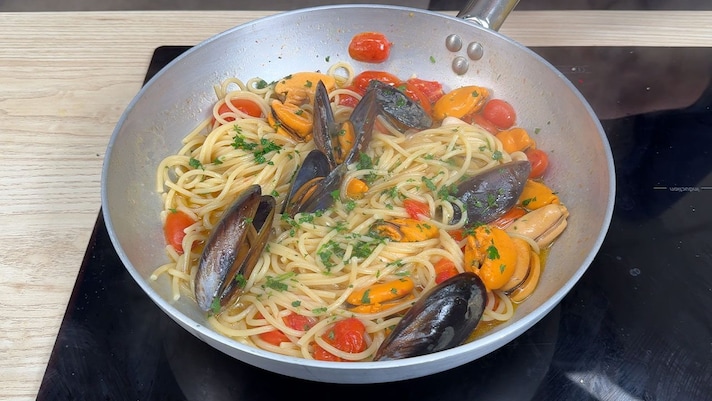
There are others, however, who maintain that seafood should be eaten in the months with an "r," which is the exact opposite of what has been said so far. This custom has its roots in ancient times, when refrigerators did not exist and the consumption of raw fish was much more common than it is today. Back then, eating uncooked seafood meant consuming it freshly caught and kept in perfect condition, to avoid the risk of unpleasant food poisoning. Obviously, since the winter months are colder, there was "more time" to preserve food.
Before cold chains and health controls, the risk of poisoning from algal toxins (like those found in summer) was real. Some sources therefore advocated avoiding seafood during the warmer months, as toxic algae proliferated in the summer. Today, however, thanks to purification and controls, it's very rare to encounter dangerous mussels even in summer.
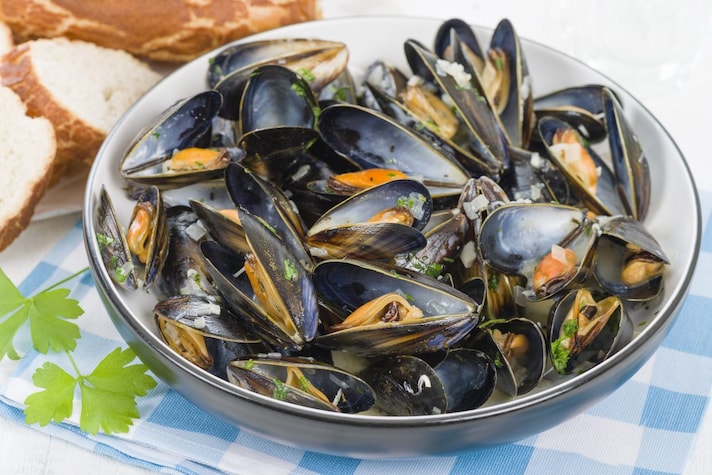
In conclusion, let's face it: it's not just about flavor. Respecting seasonality is not only the foundation of cuisine but also means giving livestock farms a breathing space, allowing natural reproduction, and contributing to more sustainable fishing. And then, let's be honest: there's something fascinating about honoring a tradition that dates back to our grandparents' time, and we'll do everything we can to ensure this belief lives on for many years to come.
;Resize,width=767;)
