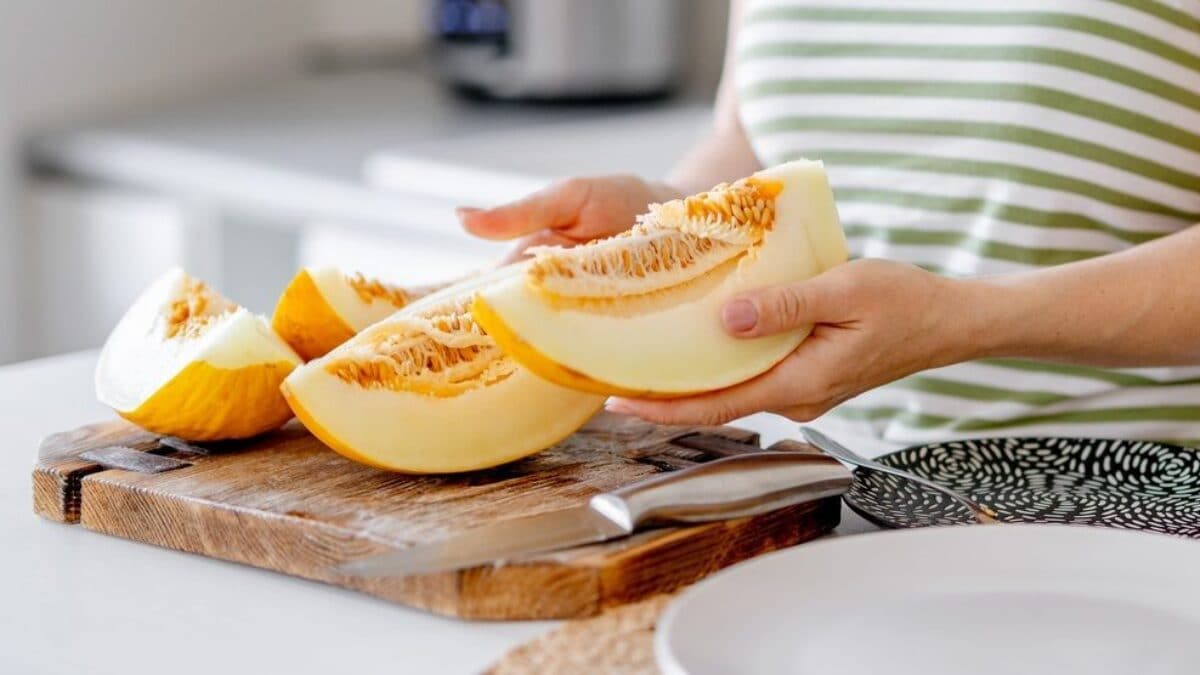
Melon is one of the most popular fruits during the summer: due to its versatility, it is used in many sweet and savory recipes, both traditional and creative. Melon, with the scientific name Cucumis melo, belongs to the large Cucurbitaceae family, the same as zucchini, cucumbers, pumpkins, and watermelons, and is divided into different cultivars that have different colors, shapes, flavors, aromas, and uses. Although melon is often associated with the warmer months, the surprising characteristic of this fruit is that it can be eaten practically year-round, because there are some varieties that are harvested during the summer, but just as many that grow and are eaten in the winter. Precisely for this reason, melons are grouped into two large categories depending on the season: summer melons and winter melons. Within these same groups, there are many different varieties, each with its own skin, shape, flavor, and uses. Let's discover together the most popular varieties of summer melons to enjoy during the warm months of the year.
What is The Difference Between Summe and Winter Melons?
There are many differences between summer and winter melons: they have different skins, pulps that differ in color, flavor, and consistency, and different shelf lives. Summer melons are the ones commonly found on market stalls during the warmer months, from June to September. They are distinguished by their soft, very juicy, and fragrant pulp, which can be orange, as in the cantaloupe melon, or light green, as in the smooth melon. They have a high water content, a sweet, refreshing flavor, and are particularly popular when eaten fresh. Precisely because of their high water content and delicate consistency, they have a limited shelf life: once picked or cut, they must be consumed within a relatively short time.
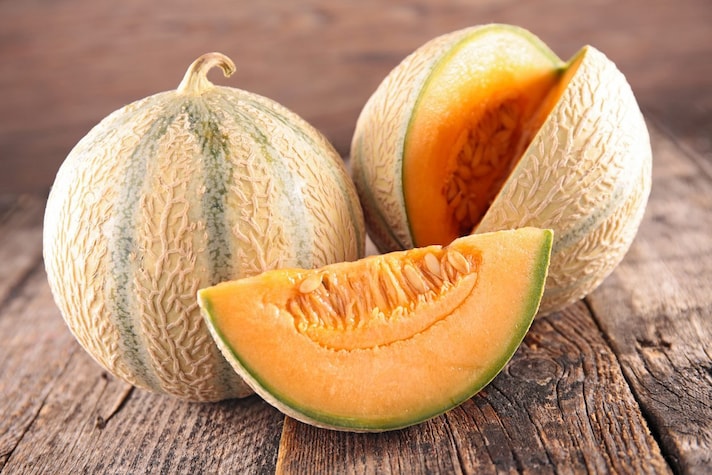
Winter melons, on the other hand, are harvested between late summer and early autumn, but thanks to their thick rind and firmer flesh, they can be stored for several months, making them available even during the winter, hence their name. Among the best-known varieties is the yellow melon or "winter melon." The flesh is generally white, yellowish, or light green, less aromatic than that of summer melons, but still sweet and crunchy. Their water content is slightly lower and their firmer consistency makes them suitable for long-term storage without losing their qualities.
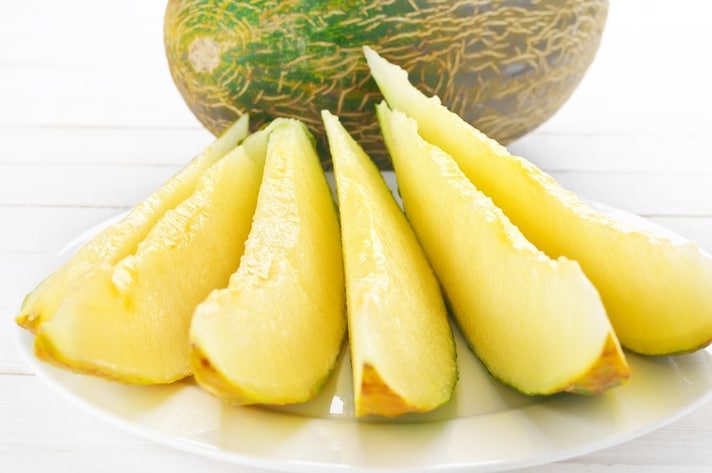
Nutritionally, both varieties are low in calories and rich in vitamins, minerals, and antioxidants. Summer melons, thanks to their higher water content, are particularly suitable for hydrating during the hot season, while winter melons are a valuable source of fresh fruit during the months when summer produce is more limited. With this necessary background, let's discover together the most popular, unique, and delicious summer melon varieties.
1. Cantaloupe Melon
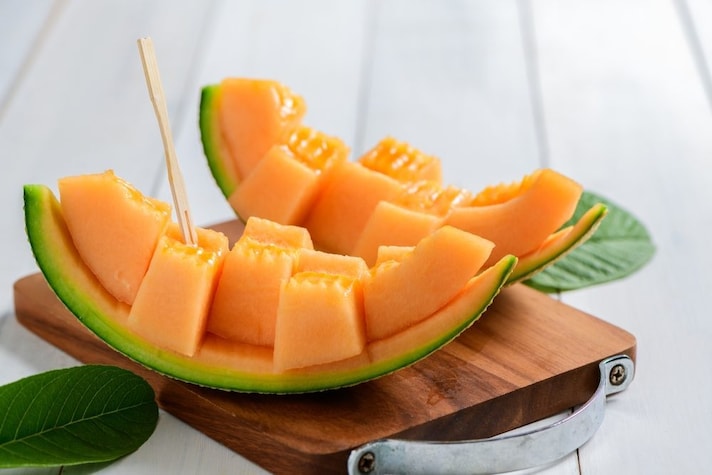
Cantaloupe melon can be defined as the summer melon par excellence. It belongs to the Cucurbitaceae family, of the Cantalupensis genus: among the varieties belonging to this type are the Common Cantaloupe, the Charentais Cantaloupe, and the Prescott Cantaloupe. It is easily recognized thanks to its rounded shape with a more or less smooth, green-grey-yellowish skin and more or less pronounced ribs; the flesh ranges from pastel orange to reddish, its aroma is intense, and the flavor is an explosion of sweetness. It is harvested from May to October, and its particularly juicy and flavorful nature makes it an ideal ingredient for refined dishes such as melon risotto and for desserts, such as a delicious ice cream.
2. Netted Melon
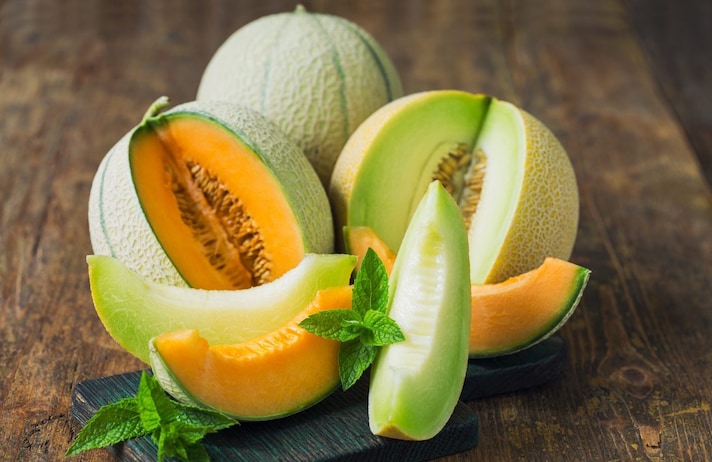
Cantaloupe and netted melon are often considered synonymous, but this is not the case. The netted melon is a different species: it is called melon reticulatus and is distinguished by its yellowish-green rind with a characteristic texture reminiscent of a fine mesh. The ribbing, or raised stripes or grooves that divide the rind, is absent or barely visible, while the flesh has a firm consistency and a color ranging from dull orange to yellowish, even white. It is a very common variety, also a summer fruit, found from June to September: it is best enjoyed in preparations like those indicated for cantaloupe, as it is equally sweet and thirst-quenching, also excellent in fruit salads, ice cream and frozen desserts. In the U.S., one notable netted melon is the Athena cantaloupe, widely grown in California and Arizona. This variety is prized for its sweet, juicy orange flesh and classic musky aroma, making it a staple in American markets and summer fruit salads. Like the historic Melone di Calvenzano in Italy, Athena cantaloupes have become a symbol of quality in their regions, celebrated for their consistent flavor and ideal texture during peak season.
3. Ambrosia Melon
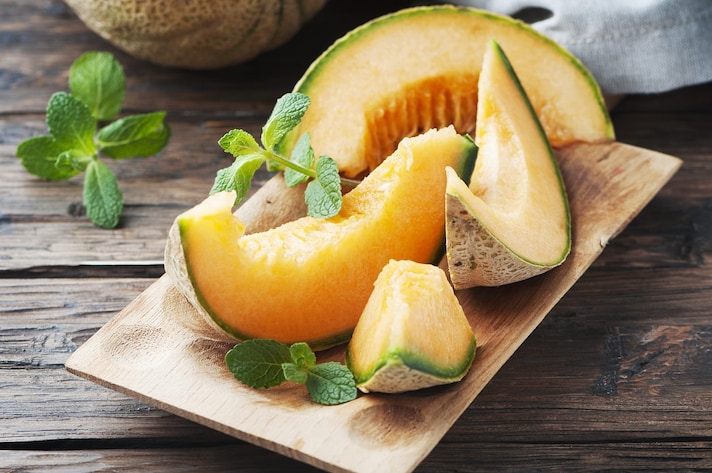
When you think of a classic American summer melon with sweet, juicy orange flesh and a netted rind, the Ambrosia melon immediately comes to mind. This variety, developed in California in the 1990s, has quickly become a favorite for its intense sweetness, aromatic fragrance, and tender-crisp texture. Ambrosia melons are typically round to slightly oval, with a creamy, golden-orange flesh that holds up well in both fresh and cooked preparations. Like the Italian Mantuan melon, Ambrosia pairs beautifully with sweet-savory combinations, such as prosciutto, soft cheeses like burrata, or even blue cheeses. It’s equally versatile for summer fruit salads, chilled soups, or no-cook desserts, making it a staple of American kitchens during the peak melon season.
4. Carousel and Barattiere Melons
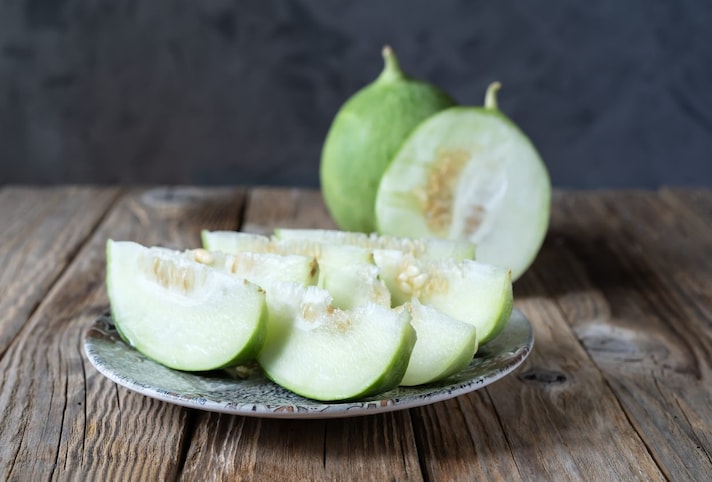
Two melons that echo the crisp, refreshing qualities of their Italian cousins are the Eight Ball zucchini and the Costata Romanesco zucchini. Like the carosello and barattiere, these squashes are enjoyed while still tender, often raw in salads, lightly sautéed, or roasted to highlight their naturally sweet, slightly nutty flavor. Their firm, crunchy flesh makes them perfect for fresh summer dishes, from mixed green salads and cold pasta bowls to grain-based salads like quinoa or rice. Versatile and mild, they’re ideal for adding texture and subtle sweetness without overpowering other ingredients.
5. Pachino Melon
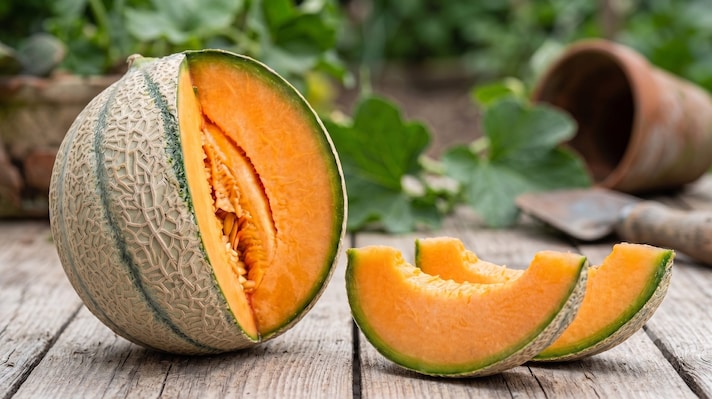
Grown in the warm, breezy climate of southeastern California, Arizona and Texas, the Pachino melon is prized for its high sugar content, firm texture, and intense aroma. The flesh, generally orange, is particularly sweet and is suitable for both fresh consumption and for use in appetizers with cured meats, summer salads, and fish dishes. Thanks to its aroma, it is also used in granitas, sorbets, and smoothies.
6. Galia Melon
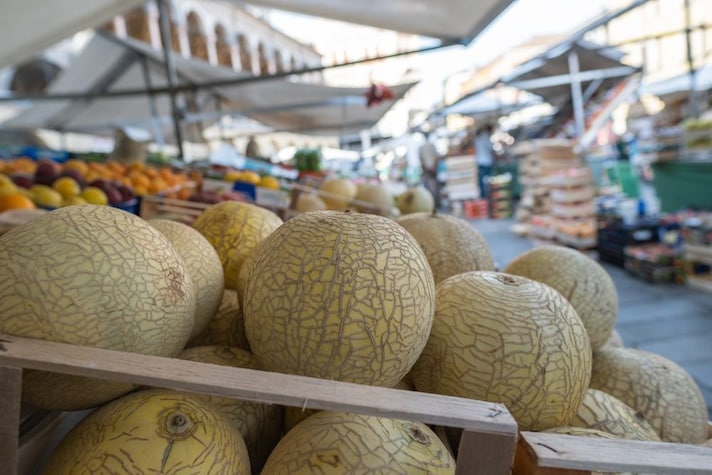
Grown mainly in California and Arizona, the Galia melon thrives in sunny, warm climates with well-draining soil, producing fruit with sweet, juicy, and aromatic flesh. Both netted and smooth-skinned varieties are common, prized for their fragrance and tender texture. In the kitchen, Galia melons are highly versatile: enjoy them fresh on their own, in fruit salads, paired with soft cheeses like ricotta or mozzarella, or alongside prosciutto. They also work beautifully in smoothies, chilled soups, sorbets, and refreshing summer juices, making them a favorite for light, aromatic dishes.
7. Charentais Melon
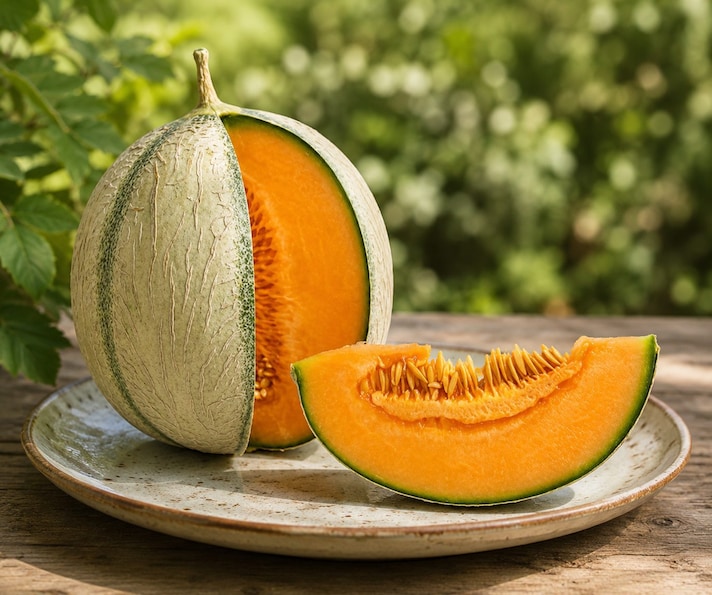
The Charentais melon, which as we have seen belongs to the cantaloupe family and is native to France, is considered one of the most aromatic melons. It is widely cultivated and widespread in the U.S., especially in California, in the Central Valley. Often nicknamed "Francesino," it is medium-small in size, with smooth or slightly grooved skin and very sweet and fragrant orange flesh. Thanks to its intense aroma, it is often served simply sliced for dinner, but it is also excellent in the preparation of desserts, mousses, artisanal ice creams, and jams. Being very delicate, it reaches its peak organoleptic qualities when consumed shortly after harvest.
;Resize,width=767;)
