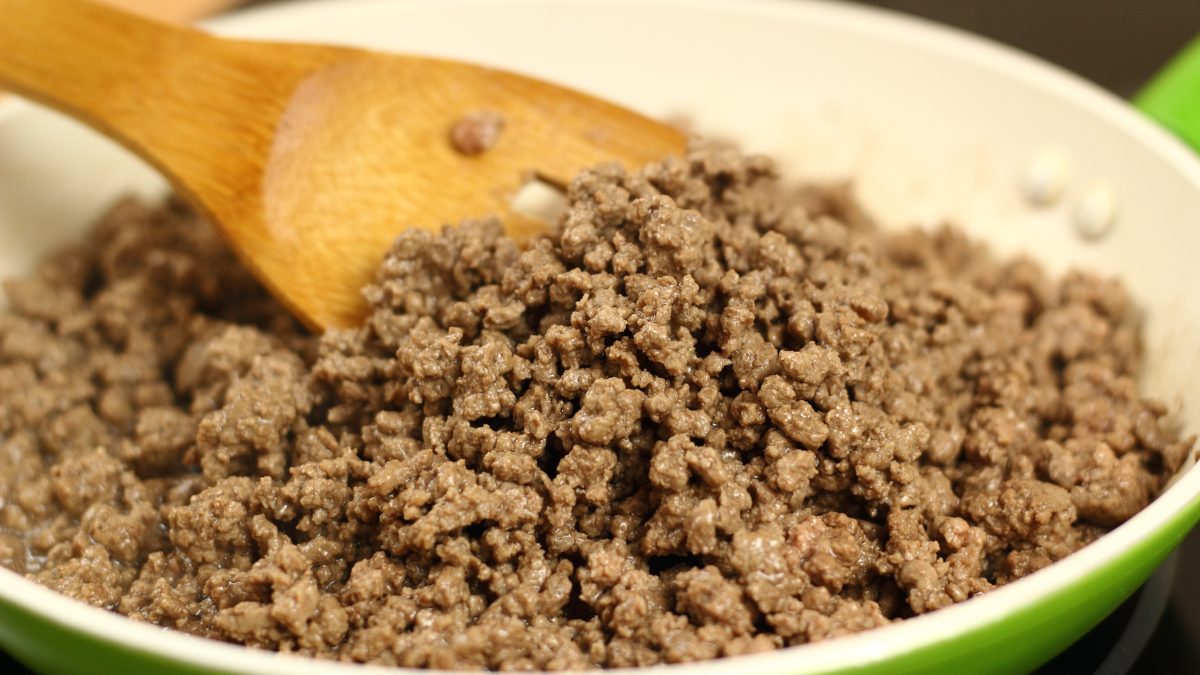
It’s a classic dinner-prep scenario: you pull a pack of ground beef out of the refrigerator, ready to shape it into burger patties or brown it for a comforting pasta bolognese. But as you peel back the plastic wrap, you pause. The meat looks a little duller than it did at the grocery store, or perhaps there is a patch of muted gray right in the center of the block.
Suddenly, a wave of food safety anxiety hits. Is it safely usable, or are you on the fast track to a miserable case of food poisoning?
Ground beef is highly perishable because the grinding process exposes significantly more of the meat's surface area to ambient air and bacteria than a whole-muscle steak. However, thousands of pounds of perfectly good beef are thrown into the garbage every day due to a simple misunderstanding of food chemistry. To save your dinner—and your grocery budget—you just need to master a simple, three-step sensory check.
The 3-Step Freshness Inspection
To definitively determine if your ground beef is safe to cook, run it through this quick, professional inspection checklist using your eyes, fingers, and nose.
1. The Color Check (And the "Interior Gray" Myth)
The color of raw beef is highly volatile and easily misunderstood. Freshly ground beef is rich in a tissue protein called myoglobin. When myoglobin interacts with oxygen on the surface of the meat, it transforms into oxymyoglobin, producing that bright, cherry-red hue we associate with peak freshness. However, if you break open a fresh block of ground beef and find that the interior is a dull grayish-brown, do not panic. Because oxygen cannot penetrate beneath the surface layer of a tightly packed brick of meat, the interior myoglobin remains un-oxygenated, resulting in a natural grayish cast. This is completely normal and entirely safe to eat.
You should only discard ground beef based on color if the entire exterior surface has turned a uniform, dull gray, or if you spot any unnatural yellowish, greenish, or fuzzy white mold patches.
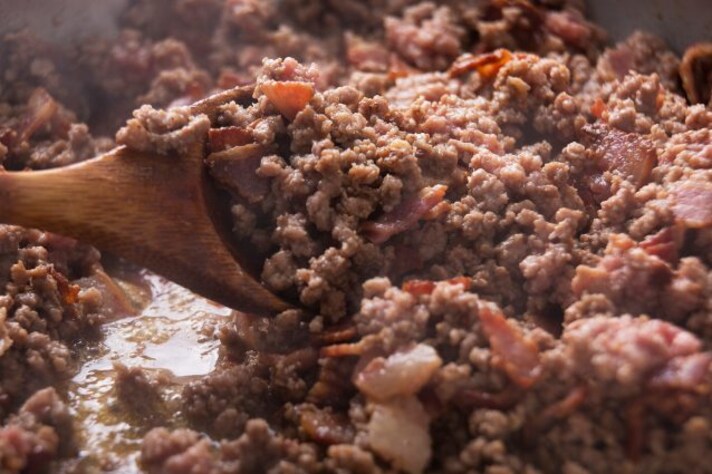
2. The Texture Test
If the color passes inspection, wash your hands and physically touch the meat. Fresh, high-quality ground beef should feel firm, cold, and slightly moist to the touch. If the surface of the beef feels remarkably sticky, slimy, or tacky, it is a non-negotiable sign of spoilage. This unpleasant slickness is caused by the physical buildup of bacterial byproducts on the meat. Rinsing or cooking slimy meat will not make it safe—toss it immediately.
3. The Sniff Test
Your nose is your most reliable defensive tool against foodborne illness. Fresh raw beef has a very faint, clean, slightly metallic aroma. Spoiled ground beef releases sharp, unmistakable gasses as bacteria break down the proteins. If you catch a whiff of an odor that is sour, tangy (resembling vinegar or spoiled milk), putrid, or heavy with ammonia, the meat has officially turned.
Some modern meat brands utilize a safe preservation gas inside modified atmosphere packaging (MAP) to extend shelf life. This can sometimes release a brief, slightly unusual scent the exact second you pierce the plastic. Give the meat a minute to air out; if it is fresh, the odor will vanish. If it's spoiled, the sour funk will linger and intensify.
Use-By vs. Sell-By Dates
Even if your meat passes the sensory test, always check the stamp on the packaging. There is a critical legal difference between the terminology used by grocery stores:
- Sell-By Date: This is a stock-control deadline for the retailer, telling them when the product needs to leave the shelves. It is not a safety deadline for you. Raw ground beef can generally be safely kept in a refrigerator (below 40°F) for 1 to 2 days past this date.
- Use-By / Expiration Date: This is a strict food safety deadline mandated by food safety agencies. Even if the meat looks red and smells fine, you should never cook or consume ground beef that has slipped past its printed use-by date.

If you purchase ground beef in bulk and know you won't use it within 48 hours of bringing it home, wrap it tightly in heavy-duty aluminum foil or a freezer-safe bag and freeze it immediately. It will remain perfectly safe to eat indefinitely at 0°F, though for the best flavor and texture, you should thaw and cook it within three to four months.
The Golden Rule of Doneness
If your ground beef successfully checks out across all three steps and is within its safe date window, you are clear to cook. Just remember that you cannot rely on color to determine when the meat is done on the stove or grill, either.
Some lean ground beef can remain stubbornly pink even when cooked to safe temperatures, while older or oxidized beef can brown prematurely before harmful bacteria are destroyed. To guarantee absolute safety, always insert a digital food thermometer into the thickest part of your meat or patties and ensure it registers a minimum internal temperature of 160°F (71°C).
;Resize,width=767;)
