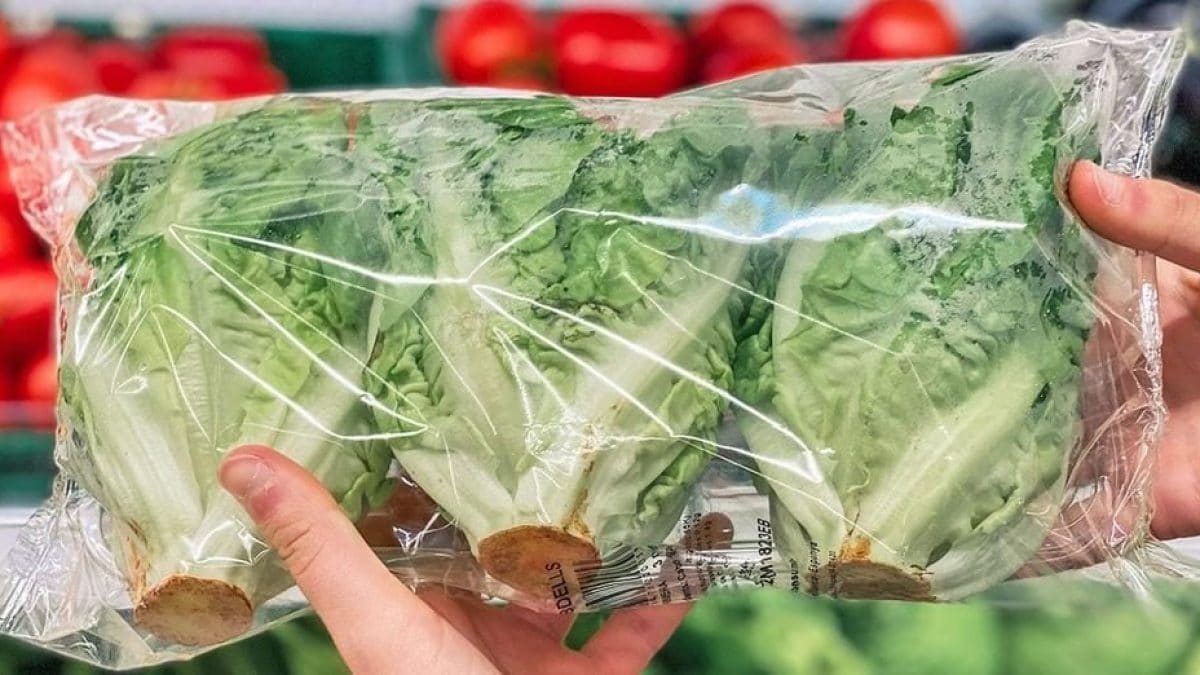
There is a specific kind of heartbreak reserved for the moment you open a bag of pre-washed romaine, only to be met with that unmistakable smell of swampy decomposition. In an era where a single bag of organic spring mix can feel like a luxury investment, food waste isn't just annoying—it’s expensive.
While the convenience of pre-packaged greens is unmatched for quick meal prep and high-fiber diets, the barrier to entry is always the same: uncertainty. How do you know what’s happening inside that plastic film before you break the seal? Recently, the internet thought it found the ultimate solution, but the truth is a bit more scientific than a viral "hack" suggests.
Why the Viral "Flat Bag" Reddit Hack Fails
A few seasons ago, a tip from Reddit user @Bradliss went viral across TikTok and Instagram. The claim was simple: Buy the flattest bag of lettuce you can find. The logic seemed sound: lettuce gives off carbon dioxide as it ages, so a "puffy" bag must be full of spoilage gases, while a flat bag is "fresh" and air-tight. However, if you’ve ever bought a flat bag only to find bruised, wilted leaves, you’ve experienced the flaw in this logic.
In reality, a perfectly flat bag can often be a sign of a seal failure. If the air has been squeezed out, oxygen has likely leaked in, accelerating the oxidation process that turns your greens into brown mush.

The Science of "Breathable" Greens
To understand why the flat-bag trick is unreliable, you have to understand Modified Atmosphere Packaging (MAP). Most major U.S. salad producers (like Taylor Farms or Dole) use this technology to extend shelf life.
- How it works: The oxygen level inside the bag is lowered, and the nitrogen/carbon dioxide levels are increased to slow down the "breathing" (respiration) of the plants.
- The "Pillow" Effect: Many brands intentionally "pillow pack" their bags with a shot of nitrogen. This isn't spoilage gas; it’s a protective cushion designed to prevent the delicate leaves from being crushed during transport.
- The Gas Exchange: These bags are engineered with microscopic pores that allow the lettuce to "breathe" at a controlled rate.
If a bag is excessively bloated—looking like a balloon ready to pop—it likely is a sign of bacterial activity. But a moderately "puffed" bag is often exactly how the manufacturer intended it to look.
4 Foolproof Ways to Check for Freshness Before You Buy
Since you can't rely on the "inflation" of the bag, use these expert-vetted criteria to ensure your salad stays crisp until your next meal:
- The "Shake and Slide" Test: Gently shake the bag. The leaves should move freely. If the lettuce sticks to the sides of the plastic or clumps together in a wet mass, moisture has already begun to break down the cell walls.
- Check the "V" Zone: Look at the bottom corners of the bag where moisture tends to collect. If you see any "rusting" (reddish-brown edges) or a translucent, "melted" look on the leaves, put it back.
- The Color Spectrum: You want vibrant, matte greens or deep purples. A shiny, "wet" look on the surface of the leaf inside the bag is usually a precursor to slime.
- The "Best By" vs. "Enjoy By" Date: In 2026, most brands have moved to more transparent dating. Always reach for the back of the shelf. Grocery workers are trained to "rotate the line," placing the oldest bags in the front.

Pro-Tip: Keeping it Fresh After the Store
Even the freshest bag can turn in 24 hours if handled poorly. Once you get your greens home, the "Paper Towel Method" remains the gold standard:
- Open the bag immediately.
- Slide a dry paper towel inside to absorb excess condensation.
- Re-seal with a clip, leaving a small amount of air inside to prevent crushing.
;Resize,width=767;)
