
In recent years, climate change has begun to have increasingly visible effects on marine ecosystems: one of the most recent and significant cases comes from Japan, where an anomalous oyster die-off is occurring in Hiroshima Prefecture. This phenomenon not only affects the natural environment, but also directly impacts the local economy and the region's gastronomic traditions. According to Justin McCurry in an article published in the Guardian, the situation has now reached critical levels, with consequences that could continue for years to come.
An Unprecedented Phenomenon in Oyster Production
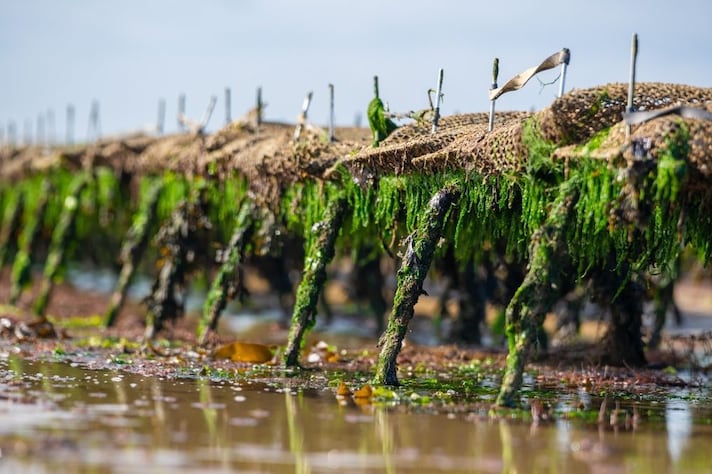
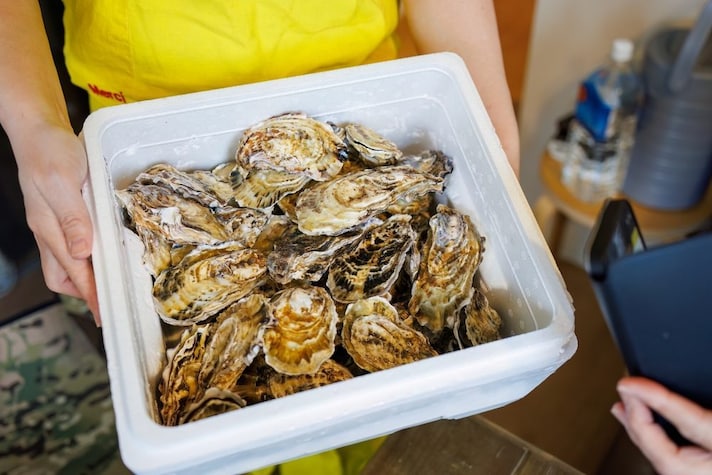
Hiroshima Prefecture is responsible for much of Japan's oyster production, representing a key pillar of the national fishing industry. However, in recent months, farmers have observed a drastic increase in oyster mortality. In some cases, up to 90% of the farmed oysters have been lost, an extremely high percentage compared to normal standards. As highlighted in McCurry's article, a loss of 30% to 50% is considered normal, but current data indicates a situation completely out of control. This has led many in the industry to describe the season as a true "disaster," calling into question the future sustainability of the business.
This crisis is primarily due to environmental factors related to global warming. The previous summer, in fact, was among the hottest ever recorded in Japan, with temperatures significantly above average: this directly affected the temperature of the sea water, creating unfavorable conditions for the oysters' survival. Rising water temperatures reduce oxygen levels and alter the balance between the marine layers, preventing the proper supply of nutrients. Furthermore, weakened oysters become more vulnerable to infections and diseases, further exacerbating the problem. This combination of factors clearly highlights the impact of climate change on ecosystems.
Economic and Social Consequences For The Territory
The oyster crisis isn't limited to the natural environment; it's also impacting the local economy: Hiroshima is not only a production hub, but also a hub for food tourism related to this product. The decline in the quantity and quality of oysters has already led to a decline in supply in local restaurants and markets. According to the Guardian, some businesses have had to close early or reduce services due to shortages. Furthermore, the entire supply chain —from fishing to distribution—is compromised, with potential job losses and economic hardship for many families who depend on this sector.
Possible Solutions and Future Prospects
Faced with this emergency, the Japanese government has introduced some economic support measures to assist farmers, including subsidized loans and aquaculture support programs, although these solutions appear temporary compared to a broader structural problem. Experts also suggest adaptation strategies, such as moving farms to deeper waters or cooler areas, but it's uncertain whether these measures will be sufficient in the long term. If extreme weather conditions were to repeat themselves, the very survival of the industry could be at risk, making the case of Japanese oysters a prime example of the global challenges linked to climate change.
;Resize,width=767;)
