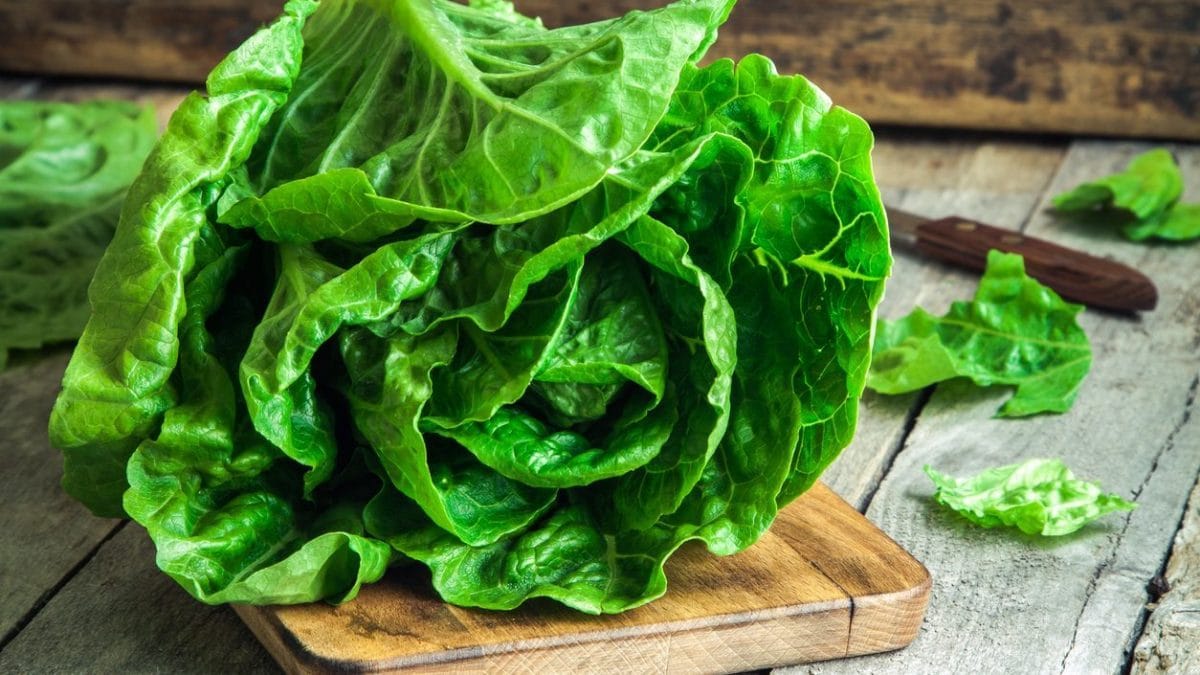
Crisp, hydrating, and fresh, lettuce is the undisputed star of the summer season, indispensable for creating colorful salads and delicious side dishes to accompany any grilled main course. A herbaceous plant of oriental origin, belonging to the Asteraceae family, it is now widespread throughout Italy and harvested year-round, although the tastiest varieties arrive on market stalls in spring and summer.
Thanks to its very low calorie content, it is one of the most consumed foods during low-calorie diets, but its importance goes far beyond this: versatile, economical and easy to clean and cook, lettuce is a real mine of water, fibre and precious micronutrients.
Prized for its renowned revitalizing, satiating, and diuretic properties, it proves to be a vital ally for those who want to combat water retention and cleanse the body. We'll discover the main varieties, their health benefits, the secrets to consuming them optimally, and answer a common question: is it true that lettuce really makes you bloated?
What Are The Main Types of Lettuce?
It's easy to say "lettuce," but in reality, there are many different varieties, each with very unique organoleptic characteristics and consistencies. Here are the main ones:
- Romaine lettuce: undoubtedly the most widespread and well-known variety. It is characterized by a long, narrow head and slightly wavy leaves. Light green at the base and darkening toward the edges, these have a meaty, crunchy texture. Fresh and sweet, it can be used raw as a base for any salad, but also sautéed or boiled to enhance creamy soups and soups.
- Canasta lettuce: like the Romaine variety, it is one of the most popular and widely used lettuces. It is characterized by its large, compact head and firm, dense leaves, a deep green color with red edges. Sweet, delicate, and pleasantly crunchy, it is excellent eaten raw in salads or sautéed in a pan with oil and garlic.
- Iceberg lettuce: recognizable by its large, compact, light green ball shape, it has broad, concave, and wrinkled leaves with an exceptionally crunchy texture. It has a very high water content and is best eaten raw to appreciate its freshness and delicacy, especially when paired with white meats or grilled fish fillets.
- Cabbage lettuce: this type has a compact head, typically round and voluminous; delicate and sweet, it has broad, firm leaves, with a color ranging from light to dark green (in some cases even red); it is preferably eaten raw, alone or combined with other vegetables, preferably seasoned with a light, fragrant citronette;
- Gentile lettuce: characterized by its small, bright green leaves, jagged and curled at the edges. Sweet and pleasantly crunchy, it can be eaten raw or cooked, but it's best enjoyed plain to appreciate its distinct freshness and, indeed, "gentleness."

Lettuce's Properties and Benefits
Lettuce is one of the most consumed and popular vegetables, especially in the warmer months, and is often considered "not very nutritious" because it's very high in water. "In reality, despite being light and low in calories, it contributes significantly to a balanced diet," explains an expert.
Nutritionally, lettuce is about 94-96 percent water, making it very hydrating, and has a very low calorie content: about 15 calories per 100 grams. At the same time, it is a treasure trove of nutrients essential for our health:
- vitamin A in the form of beta-carotene, important for vision and skin;
- vitamin K, involved in blood clotting;
- vitamin C, even if in moderate quantities;
- folates, especially useful during pregnancy;
- potassium, which contributes to fluid balance.
With exceptional diuretic and purifying properties, it is recommended for those suffering from constipation and gastritis: this is thanks to inulin, a prebiotic fiber that reduces intestinal gas production and aids digestion. The good content of quercetin, a flavonoid with strong antioxidant and anti-inflammatory properties, makes it useful in counteracting oxidative stress.
In case of anxiety, insomnia or if you suffer from frequent night-time awakenings, it is recommended to consume it in the evening, perhaps in the form of a cream or soup combined with a whole grain cereal, a few slices of bread or some potatoes: the lactucin, that whitish substance that comes out from the base of the head when cut, in fact has a mild sedative effect.
It also boasts excellent draining properties, essential for eliminating excess fluids and cleansing the body of waste and toxins. Starting a meal with a nice raw salad helps us maintain more stable blood sugar levels and more gently modulate insulin release, making us feel fuller.
Regular consumption of this extraordinary vegetable has several benefits.
- It promotes hydration: thanks to its high water content, it is especially useful in hot periods or when you don't drink much;
- helps intestinal regularity: fibers, in particular inulin, a prebiotic fiber, contribute to the well-being of the intestinal microbiota;
- ally for weight control: light and very filling, it has a low calorie intake, but a good volume, so it helps you feel full without weighing you down;
- heart friend: the presence of potassium helps regulate blood pressure, counteracting the effects of excess sodium;
- natural relaxant: the good content of lactucin, a bitter substance contained in lactucarium, has a delicate relaxing effect on the nervous system, useful for promoting night-time rest;
- contributes to the intake of micronutrients: "although it is not a ‘super food' – the nutritionist is keen to point out – it still provides essential vitamins and minerals in the context of a varied diet.
Is It True That Lettuce Causes Bloating?
As for the bloating concern, the answer is yes: some people may experience abdominal swelling. "This isn't caused by anything ‘harmful,' but by the fact that it contains fiber (cellulose) and water, which can ferment or increase intestinal volume."
These discomforts can occur especially if you have sensitive gut bacteria, suffer from irritable bowel syndrome, consume large quantities at once, or eat very quickly without chewing thoroughly. In these cases, the advice is to choose tender leaves, reduce the quantities and then gradually increase them, consume lettuce especially when cooked, and vary the type of vegetables.
There are no strict limits on quantities: lettuce can be eaten every day, including it in the recommended vegetable portions (at least twice a day). "A large portion as a side dish is absolutely adequate," concludes the expert.

Tips to Preserve Lettuce's Properties When Consuming It
To preserve its precious nutritional characteristics, it is preferable to consume it raw, combining it with other vegetables to maximize the contribution of micronutrients and antioxidants: like tomatoes, for example, a vegetable rich in lycopene, a carotenoid with exceptional antioxidant power.
Fresh, crunchy, and super versatile, lettuce can be the star of colorful and tasty salads: like the iconic Caesar salad, enriched with parmesan, croutons, and a dressing of Worcestershire sauce, egg, oil, and lemon; Nicoise, a typical Provençal salad, completed with hard-boiled eggs, anchovy fillets, tuna in oil, black olives, and cherry tomatoes; and the classic chicken salad, a light and equally satisfying one-dish meal.
If you want something more delicious, however, you can use it to make a delicious club sandwich or to create a comforting cream soup, the ultimate comfort food, to be completed with a portion of rice and a few tufts of goat cheese or another creamy cheese of your choice.
In addition to pairings and consumption methods, it is useful to follow some precautions:
- wash it well under cold running water, without leaving it to soak for too long;
- cut or break it shortly before consumption, to limit the loss of precious vitamins;
- store it in the refrigerator, preferably in the vegetable drawer, trying to consume it as quickly as possible;
- season it immediately with a drizzle of extra virgin olive oil, which is essential for better absorbing vitamin A and carotenoids, avoiding leaving it already seasoned for too long.
Finally, one last piece of advice from our trusted expert: to vary the types of vegetables in your diet as much as possible. "Lettuce is great, but alternating it with other vegetables allows you to increase the variety of nutrients you consume," concludes our expert.
;Resize,width=767;)
