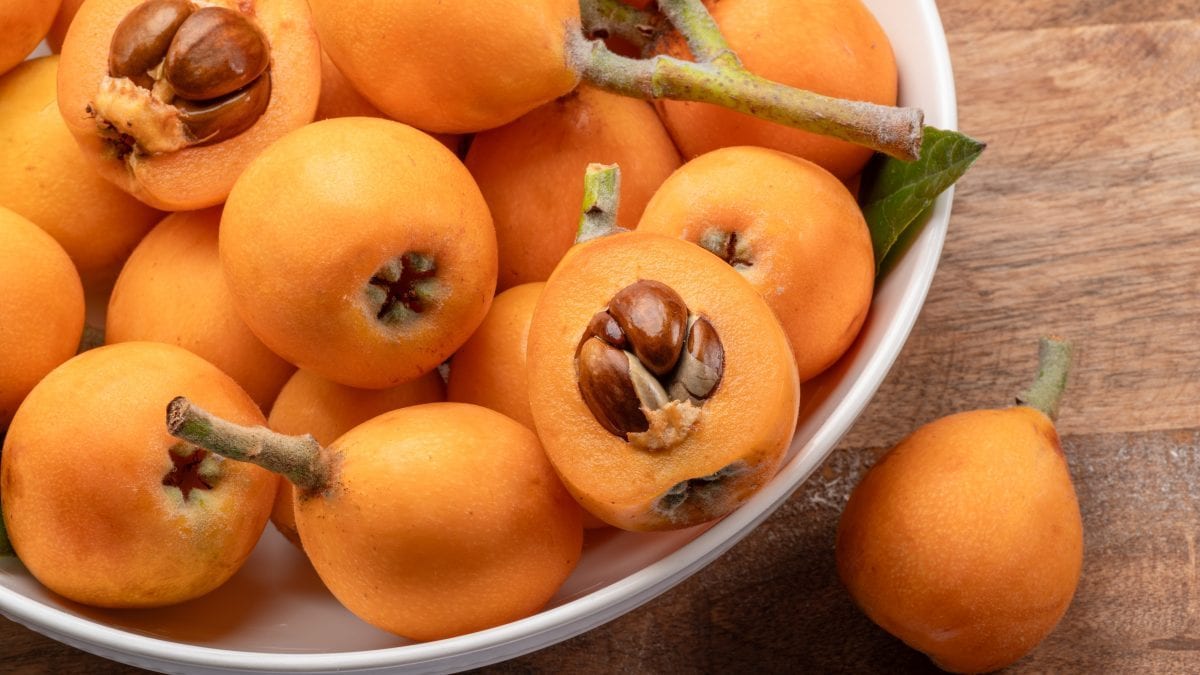
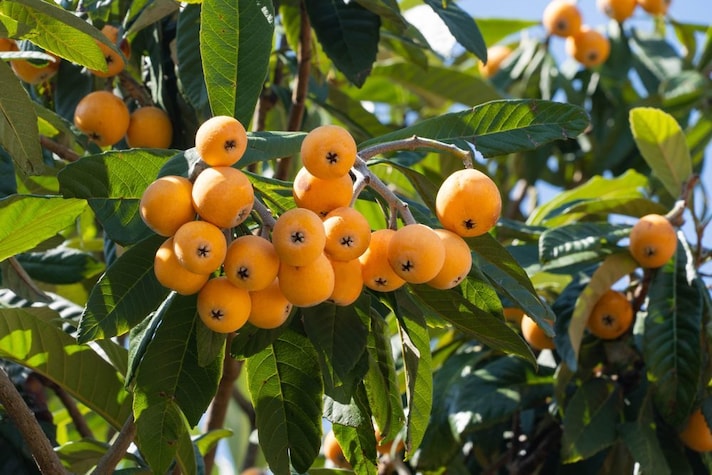
They arrive at the turn of fall, but they should not be confused with loquats, with which they share the small, rounded shape, but have a yellowish color and the pulp is sugary with a slight tart note. We are talking about medlars, almost forgotten fruits that belong to the Rosaceae family: they are distinguished by their many beneficial properties as they are rich in vitamins, minerals, fiber and antioxidants and for being more versatile in the kitchen than you might imagine. The medlar is a tree that has existed for 2000 years and is mainly divided into two botanical varieties: the European one (Mespilus germanica), which bears fruit in autumn, and the Japanese one (Eriobotrya japonica), which over time has progressively replaced the previous one even in our latitudes, is typical of the period preceding the warm season, studied and known for being an ally of well-being. Let's discover its virtues.
Medlars' Properties and Benefits
The Japanese medlar has been known since ancient times for its medicinal properties: in China it was traditionally used to calm nausea, as an expectorant and to reduce coughs, while in Japan it was popular for its diuretic and digestive effects: furthermore, it was considered, in all its parts, which include the fruit, leaves (with which infusions and decoctions are prepared), seeds and bark, a plant with antioxidant, anti-inflammatory, cardioprotective properties, and a friend of the skin, liver and stomach. Contemporary studies have confirmed the beneficial effects of medlars on the body thanks to the presence of bioactive compounds including flavonoids, triterpenes, and organic acids (such as malic acid and citric acid, which aid digestion). These compounds are in addition to the fact that the fruit, as a food, is low in fat, making it suitable for low-calorie diets, and is a source of vitamins (especially vitamin A), minerals, especially potassium, and fiber, particularly pectin, a soluble fiber that promotes intestinal transit and a balanced microbiota. Let's see what the main benefits are.
1. They Aid Digestion
The fiber in the fruit supports intestinal function, smoothing digestion and contributing to healthy bacterial flora thanks to its prebiotic action. While ripe medlars can have a moderate laxative effect against constipation, unripe ones, which are richer in tannins (known for their astringent properties), can, conversely, be helpful against diarrhea.
2. Diuretic and Purifying Properties
Loquats have a high water content (more than 80%) and potassium, a combination that makes them a fruit capable of stimulating diuresis and, therefore, the work of the kidneys, eliminating toxins from the body, reducing water retention and the possibility of kidney stones forming.
3. They Protect Cardiovascular Health
Thanks to the antioxidant action of flavonoids, medlars are heart-healthy, protecting cells from free radicals and helping reduce the risk of diseases such as stroke and heart attack. They also contain potassium, which has a positive effect on blood pressure. Flavonoids and potassium are combined with pectins, which may reduce LDL (the "bad") cholesterol levels in the blood.
4. Friends of The Skin and Eyes
Vitamin A comes into play here, of which medlars are an excellent source (255 mg in a 150 g serving). We know that it is a micronutrient found in both retinol and carotenoids, which maintains healthy and protected skin and eyes, reducing the signs of aging and preventing vision problems such as difficulty with night vision, dry eyes, and even blindness in the most severe cases.
5. Possible Antidiabetic Action
As regards research into the treatment of specific diseases, some studies have focused on the antioxidant and anti-inflammatory substances (especially flavonoids and polyphenols) extracted from medlar leaves, reaching the conclusion that they could be used in the treatment of diabetes mellitus as they are capable of reducing high blood sugar levels (hyperglycemia), improving insulin resistance and counteracting fat accumulation.
Contraindications
Generally, there are no contraindications to eating the fruit. As we've seen, it's important to remember that the fruit itself can have mild laxative or, if unripe, astringent effects, so caution is advised based on individual circumstances, such as constipation. The Humanitas Institute emphasizes avoiding ingesting the seeds (especially if chewed by mistake), as they are not edible. They contain toxic alkaloids, such as cyanogenic glycosides, which can cause serious poisoning. However, if the leaves are used in herbal preparations (such as infusions), it's always advisable to avoid overdoing them and consult your doctor to be safe.
Recommended Daily Amounts
Loquats are a fruit rich in water, fiber, and vitamins, making them a perfect light and easily digestible snack. The recommended daily intake for adults is about 5-10 medlars, equivalent to a normal serving of fruit. It's important to avoid eating the seeds, as they can contain potentially toxic substances.
Medlars' Culinary Uses
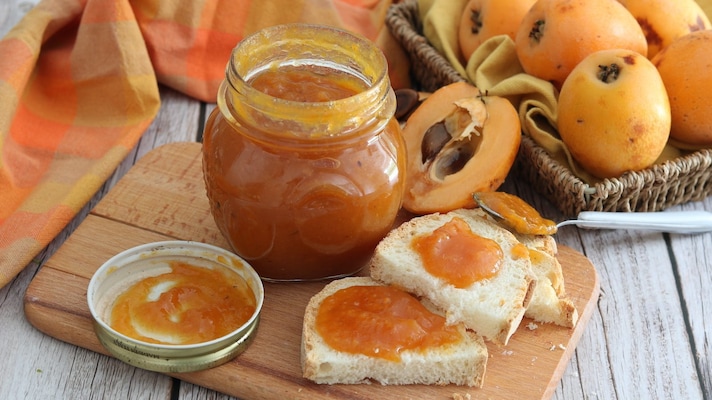
Juicy, refreshing, and packed with nutrients, medlars are perfect for eating fresh, alone as a snack, in a fruit salad with other seasonal fruit, or used in jams, juices, smoothies, and liqueurs. They're also a versatile ingredient for a wide variety of desserts, thanks to their soft pulp and sweet flavor, characterized by a pleasant hint of tartness. This makes them ideal for cakes, with the fruit used both in the dough, pureed, and as a garnish. Also worth trying are puff pastries, quick and easy thanks to the puff pastry. Medlars, precisely because of their flavor, lend themselves to becoming the protagonist of savory dishes, for example paired with pork, giving an interesting sweet and sour note, simply cut into segments or pieces and softened in a pan with onion and apple cider vinegar, or to create colorful salads: just cut them in half and cook them briefly on the griddle or grill to give a light caramelization, then combine them with rocket, lamb's lettuce, spinach with feta, primosale cheese, walnuts, but also prawns and mint.

