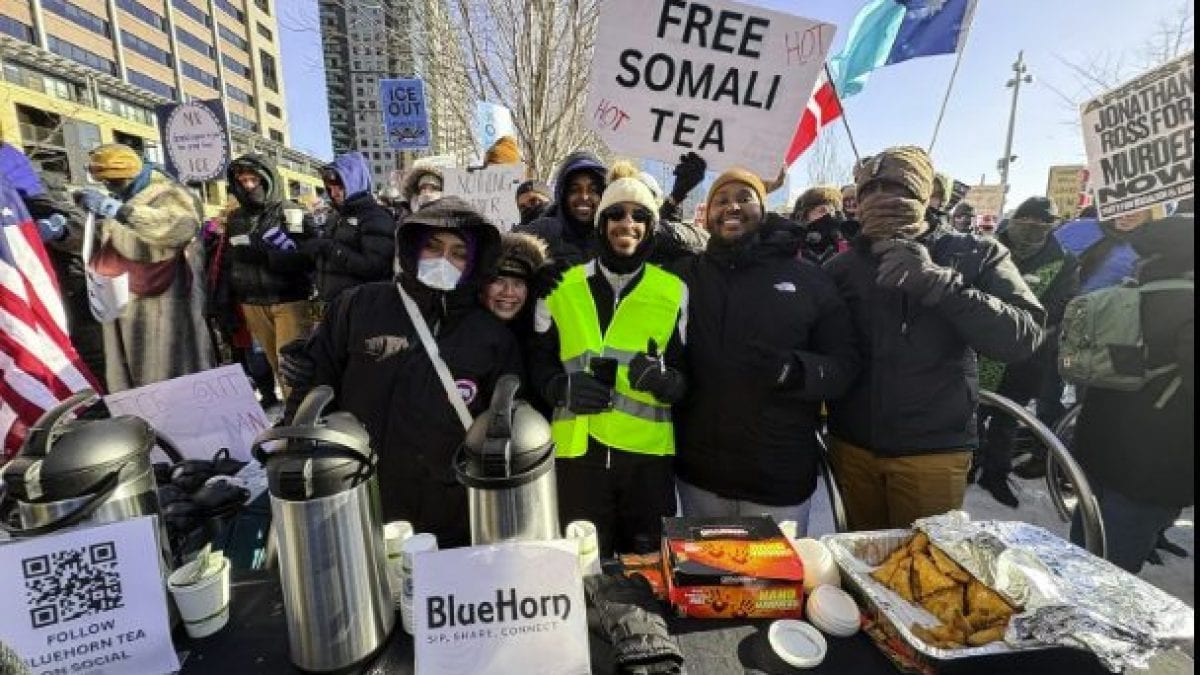
Lately, the United States has been experiencing a shift in sentiment, and amid protests, food is becoming a symbol of community and cultural resilience. This is happening in cities like Chicago and Minneapolis, where ethnic restaurants, food trucks, and family-run businesses, mostly run by Hispanics, speak of arrivals and hope. Since ICE (Immigration and Customs Enforcement) operations have intensified, especially since Donald Trump‘s inauguration, many predominantly Latino and immigrant neighborhoods have been targeted. The methods of this special police force are anything but "peaceful," and after the latest incidents, fear has grown on the streets and is now invading everyday life. People with regular permits are deciding to skip shifts or even entire days of work, knowing they have become easy targets simply because of their name, appearance, or accent.
In many areas of the Midwest, as an article in The Guardian highlights, the presence of immigrants has helped revitalize local economies and food scenes, bringing new flavors and activities that had previously seen demographic and cultural growth stagnate. In this context, food is the thread that connects different traditions and builds bridges between various communities: from Mexico to Venezuela, from the Middle East to Asia, countless protests are challenging the policy of reducing immigration.
Fear is Fought Through Solidarity With Food
Operation Midway Blitz is one of many ICE special operations in recent months. Several predominantly Latino neighborhoods in Chicago have been targeted, and according to local and national reports, these activities have generated a climate of widespread insecurity among customers and workers, who are avoiding leaving their homes. In response to the decline in customers and the fear of further raids, resident groups and community organizations have begun to mobilize. In neighborhoods like Belmont Cragin, initiatives like The Taste of Belmont Cragin —a restaurant crawl where the community is invited to eat together to support local businesses—have emerged as forms of concrete solidarity.

These events are not just convivial moments; they transform food consumption into a political gesture against isolation and fear, even among those who have immigrated to America with legal and permanent permits. Other projects, like Operation Buyout, have brought volunteers to buy products in bulk from street vendors to help those struggling with a lack of customers and economic hardship. Social media and local networks are also being used to attract people to these restaurants and create a sense of unity among the city's diverse groups.
Minneapolis and Its Symbolic Value
ICE operations have generated social tension and fear, especially in Minneapolis. Neighborhoods like "Eat Street," renowned for their food scene and many Hispanic restaurants, are experiencing very delicate times. All this comes just a few years after the murder of George Floyd, which had already put the city at the center of political protests against the police. The massive presence of federal forces has transformed food into a tool of cultural resistance, with restaurateurs and residents responding with community initiatives, using their establishments as spaces of solidarity and protest against invasive immigration policies.

The stories of chefs, owners, and workers of foreign origin don't just describe traditional dishes, but also speak of cities reborn with new generations of immigrants. From the Midwest to the rest of the United States, a growing number of reports highlight how the presence of immigrants in the food industry isn't simply an economic factor, but a vital element in the debate about contemporary American society.
;Resize,width=767;)
