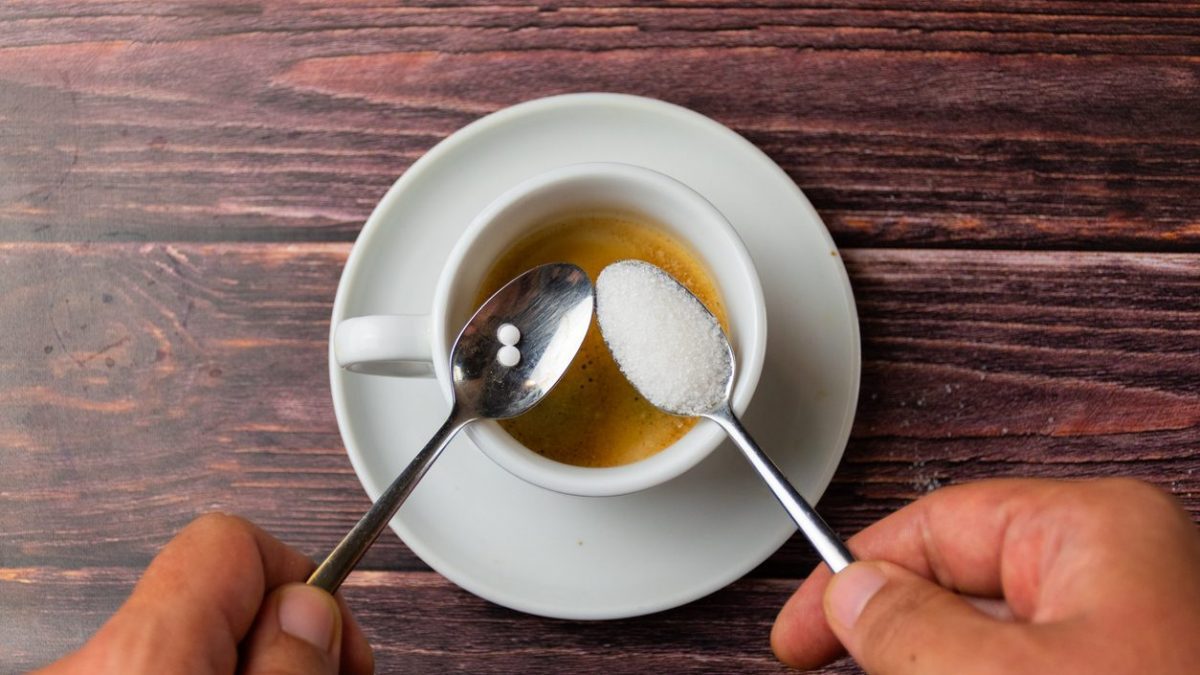
Sweeteners are food additives used to sweeten foods. Since they are considered additives in their entirety, according to U.S. legislation, they must be periodically inspected to assess their quality and identify any potential problems before being released for sale. These products have a greater sweetening power than common table sugar, usually between 150 and 600 times greater. Because of their high sweetening power, very little is needed to sweeten a food. For this reason, they contain almost no calories, and are often recommended in low-calorie diets. However, we often hear that sweeteners actually affect physical well-being. But is this really the case? Before answering this question, it's important to distinguish between natural and artificial sweeteners.
Natural Sweeteners
Natural sweeteners, as the word suggests, are found in nature and are all those products that are extracted from plants and vegetable sources, and which do not undergo any type of refinement or the addition of other elements. Some examples are: honey, composed of natural sugars such as glucose and fructose, is rich in vitamins, mineral salts and beneficial properties; stevia, produced directly from the plant, has a sweetening power almost forty times greater than traditional sugar, which makes it particularly suitable for diabetics as it is used in very small doses; erythritol and agave syrup are low in calories and have a very low glycemic index; maple syrup is obtained from the processing of maple sap and has energizing and remineralizing properties. Another very well-known and used sweetener, especially thanks to its use in chewing gum and candies, is xylitol. Obtained from strawberries and raspberries, it is also often added to toothpastes and mouthwashes to make the flavor more pleasant.
Cane sugar is a separate issue. It's often used in place of regular sugar because it's considered more "dietetic." However, there are actually different types of cane sugar, and it's important to distinguish between whole cane sugar, which hasn't undergone any chemical treatment, and raw sugar, which undergoes a refining process in which molasses is added.

Artificial Sweeteners
Artificial sweeteners, unlike natural ones, are produced in a laboratory. They have few or no calories compared to natural ones, which is why they are particularly suitable for diets. Among the most common are: aspartame, composed of two amino acids, aspartic acid and phenylalanine, and has a high sweetening power. Suffice it to say that one gram of aspartame has the same sweetening capacity as 200 grams of sugar. Sucralose, like acesulfame K, on the other hand, is thermostable, that is, particularly resistant to heat, which is why it is often used in baked goods. And finally, saccharin, less popular than the previous ones as its taste is metallic and bitter.
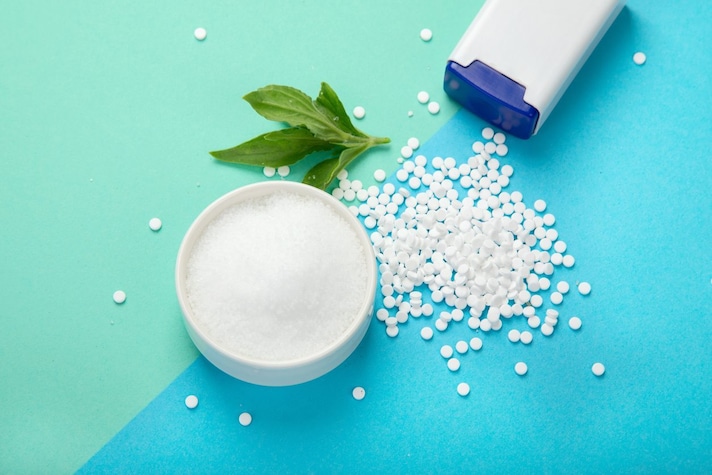
The Difference Between Sugar Substitutes and Sweeteners
Often used interchangeably, the terms "sugar substitutes" and "sweeteners" actually refer to slightly different categories of substances used to add a sweet flavor to foods and beverages. In summary, one could say that all sweeteners are sweeteners, but not all sweeteners are sweeteners.
The term "sugar substitutes" is the broadest and includes any substance capable of imparting a sweet taste. As we've seen, it includes both natural substances (such as sugar, honey, fructose) and artificial ones (such as aspartame, saccharin), and they can have a significant caloric content. When using sweeteners, this term specifically refers to artificial or natural substances with a very high sweetening power and negligible or no caloric content. They are mainly used as sugar substitutes in "light" products or for people with diabetes. Common examples are aspartame, stevia, saccharin, and acesulfame K.
Are Sweeteners Bad For You?
Not much research has been done to confirm whether and how sweeteners can harm our health. It's been known for several years that one of them, aspartame, is probably carcinogenic. A recent study, published in Cell and conducted on animals, has shown that aspartame can aggravate atherosclerosis through insulin-triggered inflammation.
Another study, also published in Cell, found an alteration in the intestinal microbiota and an increase in blood glucose levels after prolonged consumption of saccharin and sucralose. It was observed that, in 120 volunteers divided into six groups, glucose spikes occurred in the subjects belonging to the four groups who were administered the sweeteners for two weeks. The research showed that saccharin and sucralose inhibited the body's ability to tolerate glucose in healthy adults.
A laboratory study conducted by Anglia Ruskin University and published in Frontiers in Nutrition shows that neotame, a sweetener derived from aspartame, can cause damage to the intestinal lining and the beneficial bacteria that inhabit the intestinal flora. The International Sweetener Association (ISA) responded to this in vitro experiment by stating that these tests are unreliable because cells cannot represent the complexity of a human organism. The researchers themselves confirmed that they need to continue studying the effects of sweeteners to better understand the potential risks associated with their consumption.
As can be seen from these studies, it cannot yet be confirmed that sweeteners are completely dangerous. The "limitation" of these studies is that they were conducted over a relatively short period of time: this means that we still don't know all the effects on the body that long-term consumption of these additives could cause. It's important to point out, however, that while they do contain fewer calories than sugars, they don't work miracles. One of the problems with sweeteners, in fact, is that, given their low calorie content, people run the risk of overindulging in them, thinking they won't cause any harm. In reality, as with any food, too much is always harmful. Therefore, excessive consumption of drinks or foods containing sweeteners can cause the same harm as other foods.

