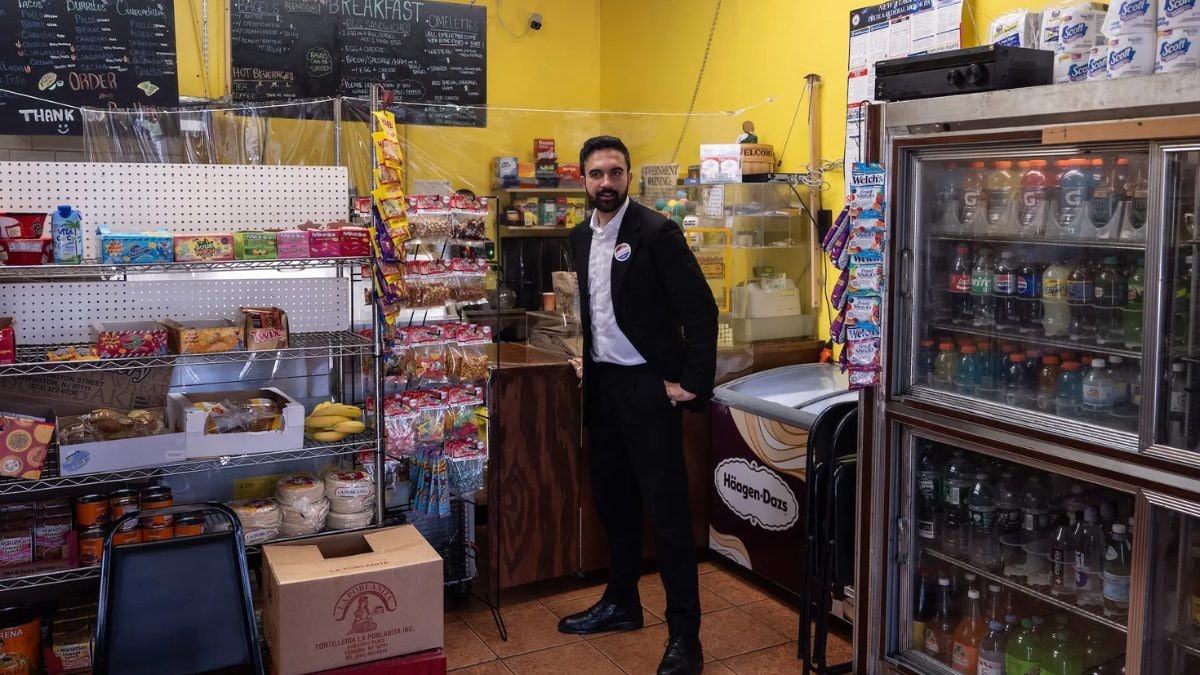
New York City’s newly elected mayor, Zohran Mamdani, is pushing forward a bold plan to launch city-run grocery stores, a move he says will help address food deserts, price gouging, and lack of access to fresh produce in underserved communities. The initiative was a cornerstone of Mamdani’s campaign and is now gaining traction as part of his broader affordability agenda.
What the Plan Includes
The proposal calls for:
- Five pilot stores, one in each borough
- Operated by the city as nonprofit public options, not profit-driven businesses
- Focused on fresh produce, pantry staples, and culturally relevant items
- Excluding cigarettes and lottery tickets, with no mention of alcohol sales
Mamdani has described the stores as a way to give New Yorkers “a choice beyond overpriced private supermarkets”, especially in neighborhoods where grocery access is limited or dominated by convenience stores.
Funding and Logistics
The estimated cost of the pilot is $60 million, which Mamdani argues is a reasonable investment in food equity and public health. The stores would benefit from city-owned real estate, tax exemptions, and bulk purchasing, allowing them to offer lower prices without needing to turn a profit.
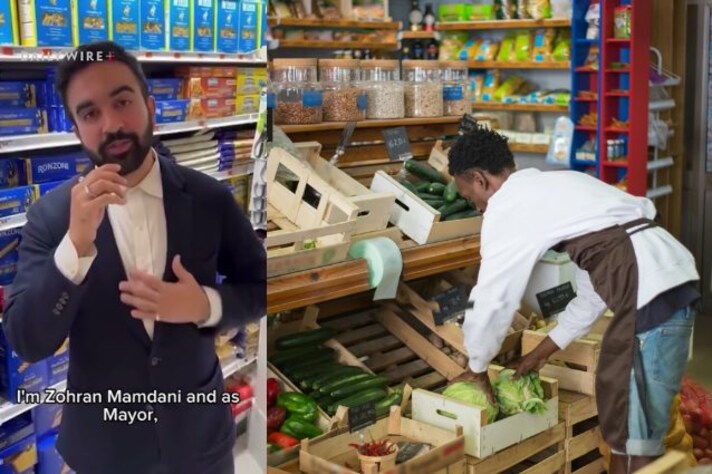
Inspiration and Precedent
Mamdani’s plan draws inspiration from existing models in cities like Birmingham, Alabama, and Baldwin, Florida, where municipal grocery stores have been used to fill gaps left by private retailers. He’s also cited international examples of public food markets as proof that government-run stores can succeed when properly supported.
Mixed Reactions
The proposal has sparked debate across the political and business spectrum:
- Supporters say it’s a necessary intervention to combat corporate price inflation and food deserts
- Critics, including billionaire grocer John Catsimatidis, argue it’s a “socialist experiment” that will undermine small businesses and waste taxpayer money
- Economists have raised concerns about scalability, supply chain limitations, and competition with discount chains like Aldi and Trader Joe’s.
What’s Next
The plan will require City Council approval, and possibly state-level support, before implementation. Mamdani has pledged to begin feasibility studies and community consultations in early 2026.
;Resize,width=767;)
