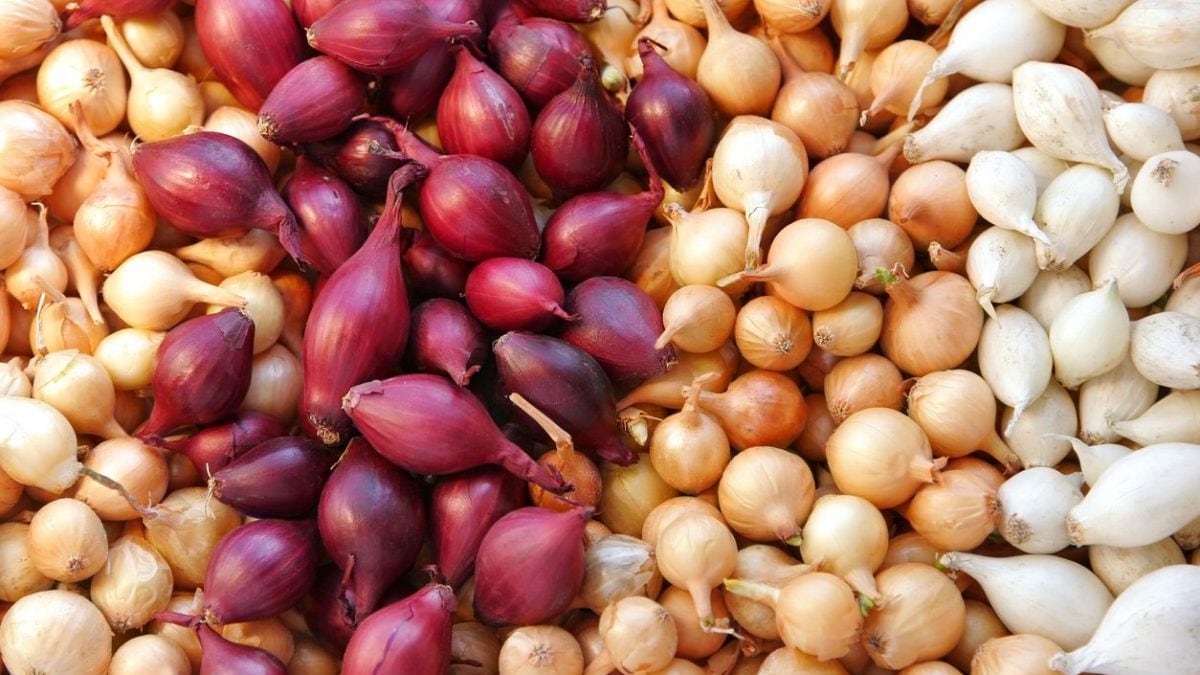
It can be white, golden, coppery, red; Cipollini, Sweet Red, Walla Walla, Vidalia, Yellow storage, Flat-red Italian Style, and even Pearl. We are, of course, talking about the onion, a vegetable used in countless recipes, from a "simple" flavoring like in soffritto to the main character like in the irresistible onion rings. Onions, besides being a delight, are also a curse: we are not only referring to the common "tear" when slicing them, but also to the fact that they can be indigestible for more sensitive stomachs, especially if eaten cooked (and not raw as one might imagine) due to the enzymes that are inactivated by high temperatures. Beyond this inconvenience, which can be solved with a few tricks, onions have been consumed since ancient times and in many cuisines around the world not only for their versatility and affordability, but also for their beneficial properties, which make them a true concentrate of well-being.
Onion's Properties and Benefits
First of all, it must be said that this vegetable is composed of more than 90% water, therefore it is one of the lowest calorie foods: 100 grams contain just 28 calories. They are a good source of minerals, particularly potassium (140 mg per 100 g), calcium, phosphorus and iron, vitamin C and fibers. The presence of proteins, fats and carbohydrates is very insignificant, while they contain soluble sugars, flavonoids and enzymes capable of stimulating the metabolism. The red varieties are characterized by anthocyanins, antioxidant substances also responsible for their color. Why and what are they good for?
- Thanks to their high water content, onions promote diuresis, helping the body to rid itself of excess fluids and purify itself. Their antioxidant properties are invaluable in the fight against free radicals, helping to counteract cellular aging.
- The presence of quercetin, a powerful flavonoid, plays an important role in keeping cholesterol and triglyceride levels under control, protecting the cardiovascular system: in combination with calcium, this substance promotes the maintenance of bone structure.
- Onions are recognized for their antibacterial, antimicrobial and anti-inflammatory properties, which strengthen the immune system, thanks also to a good quantity of vitamin C and prebiotic fibers that nourish the intestinal microbiota, leading to the proliferation of "good" bacteria called probiotics.
- It's worth noting that this raw vegetable has a positive effect on blood sugar levels, helping to keep blood sugar under control. Finally, it's said to even improve mood and promote good sleep: the folates it contains promote the production of serotonin and dopamine, two neurotransmitters known as the "happiness hormones."
- It goes without saying that onions, and more specifically the juice filtered with honey, have also been traditionally used as a “grandmother's remedy”, particularly against coughs and sinusitis, for their soothing and natural expectorant properties.
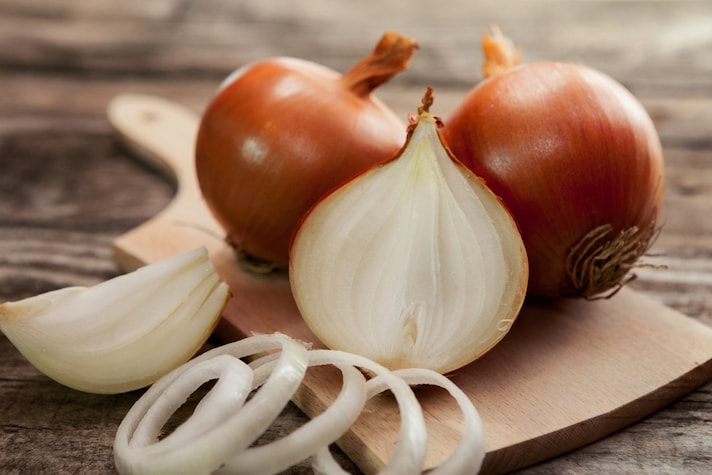
How to Use Onions in Cooking
We know that onion is a very versatile ingredient, appearing in countless recipes, and has the advantage of being extremely inexpensive. What does this mean? It shouldn't be considered exclusively as a basic flavoring, used alone or in a sauté for risottos, sauces, ragùs, roasts, and soups, but also as a key ingredient in traditional or more creative dishes.
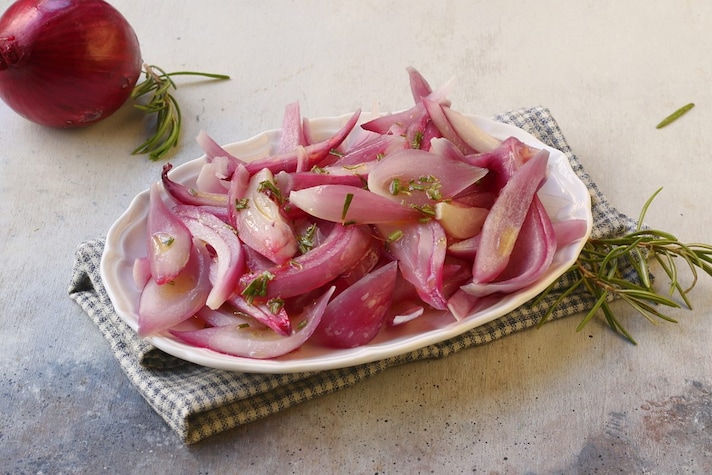
Grilled or raw onions in salads add a pleasant crunch, especially the sweeter and more aromatic red varieties. They can be used in fish marinades to add a characteristic sweet and sour note, as well as in sauces and chutneys. Not to mention caramelized onions: ideal as a side dish, for stuffing crostini, or for enhancing appetizer platters with cured meats and fresh or aged cheeses, where they can also be used as a jam.
A great "Spartan" classic is the onion frittata, while the vegetable becomes elegant in the French onion soup, with its surprisingly delicate flavor. If we look at classic regional recipes in the United States, Vidalia onion pie from Georgia is one of the most famous onion-based dishes, while simpler preparations like French onion soup-style baked onions or rustic onion stews from Appalachian and Southern cooking traditions are probably less well known.
Onion can be incredibly satisfying when paired with puff pastry or shortcrust pastry: it can be used to create spectacular single-serving puff pastries or rustic savory pies. Finally, there's room for indulgence: it's impossible to resist pub-style onion rings, fried onion rings that are easy to replicate at home.
;Resize,width=767;)
