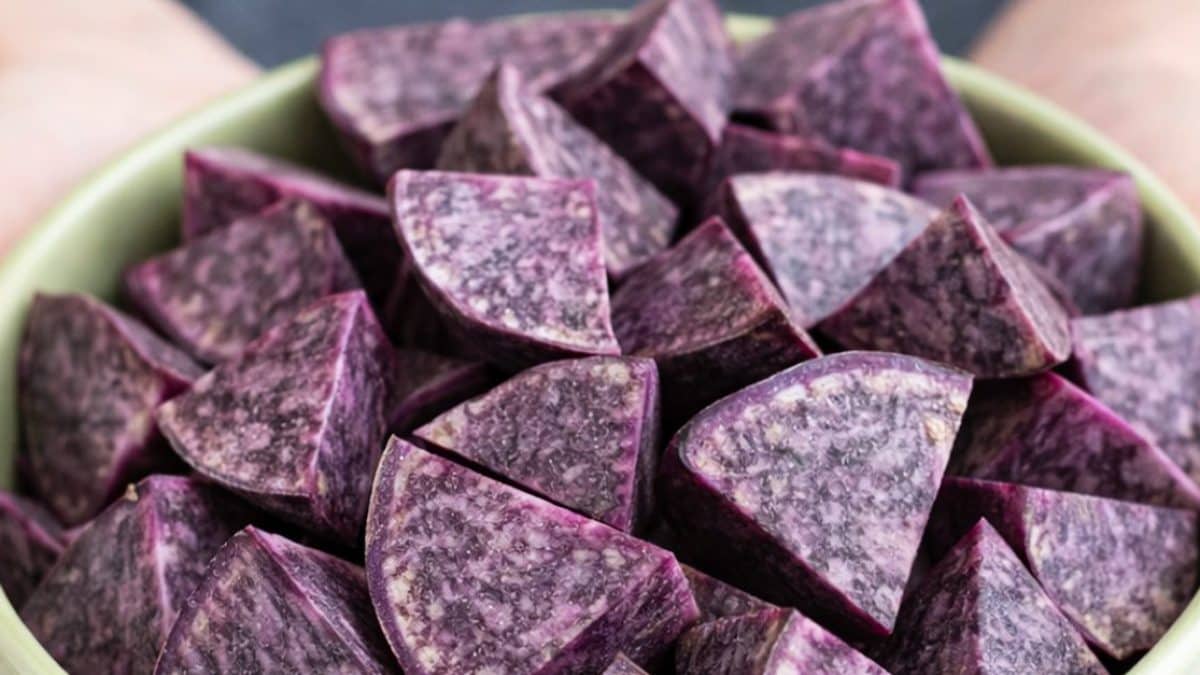
A vegetable that has gained enormous popularity in recent years thanks to its intriguing appearance and numerous health benefits. We can call purple potatoes by many names: purple majesty, purple peruvian, purple viking, all blue and adirondack blue, but the truth is that it is an ancient tuber belonging to the Solanaceae family, native to the Andes of Peru, and it is increasingly featured in our recipes. Let's discover what purple potatoes are and what their benefits are.
What is The Purple Potato?
The most intriguing thing about this tuber is undoubtedly its asymmetrical, oblong shape, very different from the potatoes we eat every day , and its color. The purple color is due to the presence of anthocyanins, a type of antioxidant known for their protective properties against oxidative stress and cellular damage. They are the same substance that gives fruits like blueberries, blackberries, and grapes their characteristic dark color.
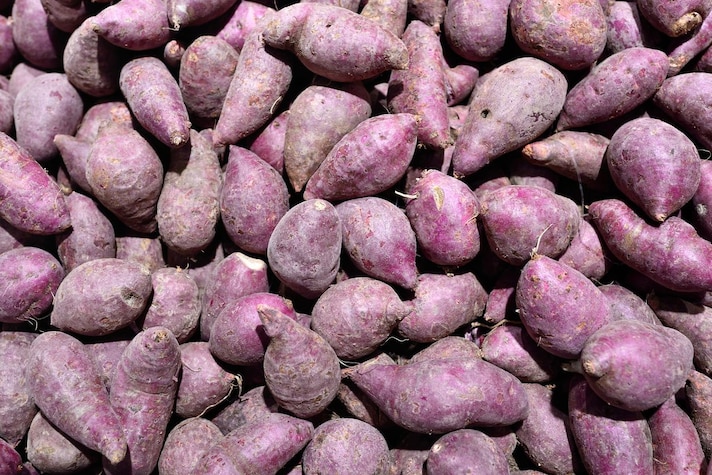
Native to South America (Peruvian Andes), it is now cultivated in other areas of the world, including the United States, New Zealand, and some parts of Europe. The flesh can be a lighter purple or even white, depending on the variety. Botanical differentiation occurred in France, according to some sources, before the 19th century, while in Europe it began to spread like wildfire in neighboring territories between Italy, Spain, Belgium, and Germany.
Properties and Benefits
Not only visually appealing, purple potatoes are much more than just a decorative or exotic ingredient, and more and more top chefs are incorporating them into their dishes. They've won over a wide audience thanks to their nutritional value. Here are the benefits of purple potatoes, so you should definitely start considering including them in your diet.
1. Rich in Antioxidants
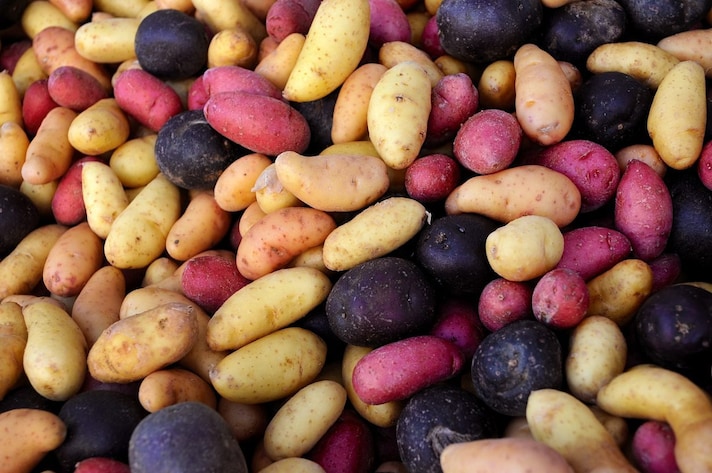
As previously mentioned, purple potatoes have very high antioxidant power due to the presence of anthocyanins. These not only give the tuber its characteristic purple color, but also protect the body from damage caused by free radicals: unstable molecules that can damage cells and contribute to chronic diseases, premature aging, and other problems. Consuming foods rich in anthocyanins can help reduce the risk of cardiovascular disease, cancer, and other degenerative diseases.
2. They Are Helpful for The Heart and Circulatory System
This tuber is an excellent source of potassium, a mineral essential for proper cardiovascular function. Potassium helps keep blood pressure under control, reducing the risk of hypertension and heart problems. The anthocyanins present also reduce inflammation, contributing to better blood circulation.
3. Diabetes Under Control
Several studies have been conducted on purple potatoes, showing they can be useful in managing type 2 diabetes. This is because their low glycemic index helps keep blood sugar levels under control. Their fiber, in particular, is known to reduce sugar absorption and thus improve the response to insulin, a hormone produced by the pancreas that allows glucose to enter cells. This tuber also helps improve digestion and maintain a healthy body weight.
4. Support Brain Function
Thanks to their abundant flavonoids, purple potatoes are a great ally for the brain. This compound is known to improve memory and cognitive function and helps prevent neurodegenerative diseases such as Alzheimer's and dementia.
5. Anti-Inflammatory Properties
Thanks to their high antioxidant content, purple potatoes have excellent anti-inflammatory properties. They can, in fact, be useful in managing chronic diseases such as rheumatoid arthritis and other pain conditions associated with inflammation.
Purple Potatoes' Contraindications
What has been specified so far are the immense benefits of this food, which is now eaten all over the world. Journalist and reporter Dan Buettner, in his research on the Blue Zones, five areas around the world with a very high concentration of centenarians, explained that purple potatoes should be included in one's diet.
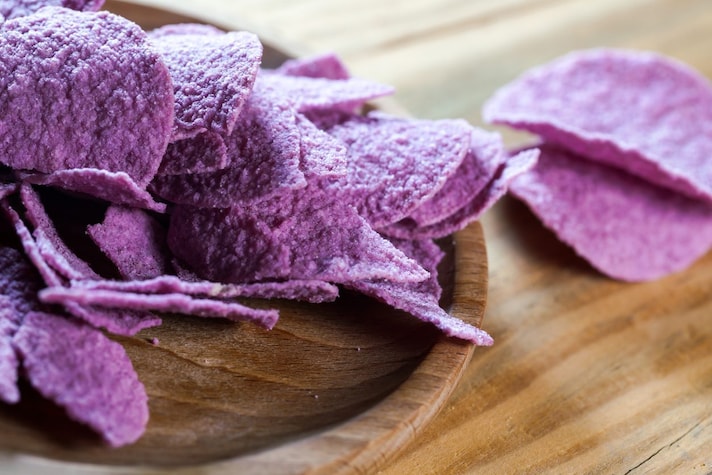
Many benefits, but also some drawbacks, especially regarding intolerances and allergies. Although potatoes are not known to cause serious allergies, some people may be sensitive to solanine, a natural substance found in raw potatoes that are poorly stored. Solanine can cause gastrointestinal upset, headaches, and dizziness, so it's essential to cook them before eating. Purple potatoes are also rich in complex carbohydrates, which, while a healthy source of energy, could contribute to a high calorie intake, especially if prepared in an unhealthy way (e.g., fried). It's important to remember, therefore, that while highly recommended as part of a balanced diet, they should be consumed in moderation.
;Resize,width=767;)
