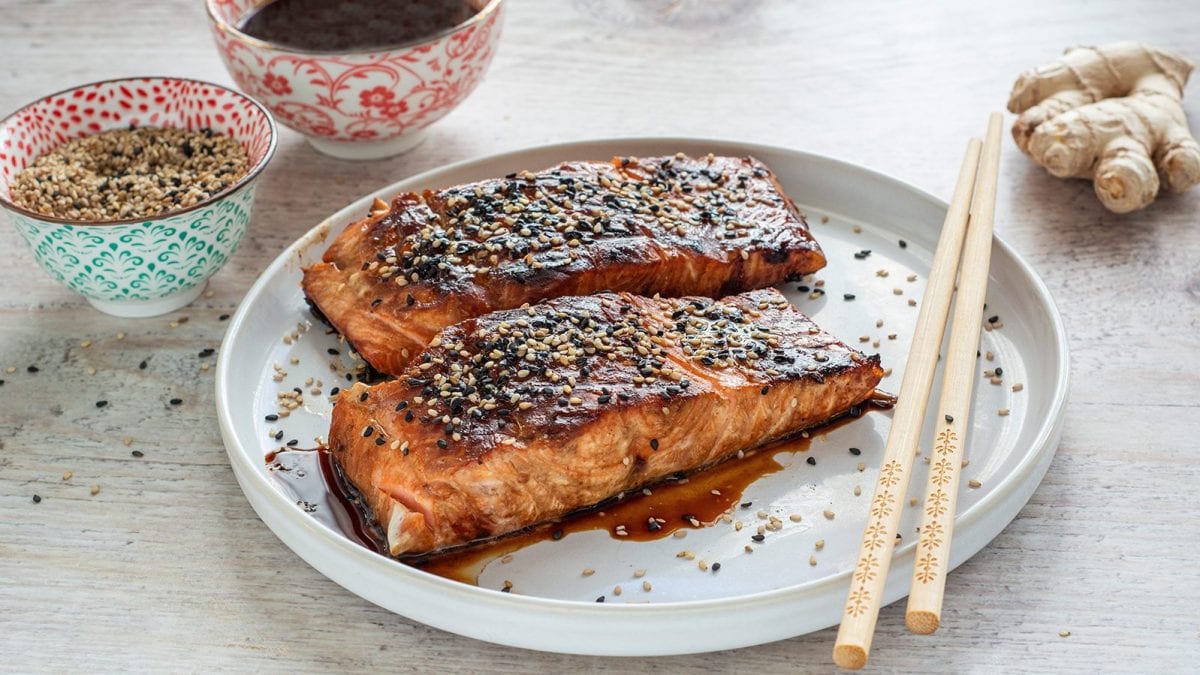
Teriyaki Salmon is a traditional Japanese recipe, very popular and beloved in the U.S. too. Tender and flavorful, it's perfect as a main course for lunch or dinner with family or friends.
The term teriyaki comes from the combination of two words: teri, meaning "shine," referring to the color the seasoning imparts to the fish, and yaki, meaning "to sear, grill." Preparation is simple and requires just a few steps: the salmon, rinsed and cut into steaks, is left to rest in the teriyaki sauce for a couple of hours, then cooked for a few minutes on a hot griddle, basted with the same marinade. Once ready, it is garnished with toasted black and white sesame seeds.
The result is a sweet and sour dish, best enjoyed piping hot, accompanied by a bowl of basmati rice or, if you prefer, a fresh salad, such as coleslaw. Alternatively, you can pair it with pan-fried zucchini and carrots, seasoned with a splash of soy sauce.
Teriyaki Salmon Origins
Teriyaki salmon is rooted in the broader Japanese cooking technique known as teriyaki, a method that dates back centuries and involves glazing foods with a mixture of soy sauce, mirin, and sugar while grilling or broiling them. The word itself combines teri (“shine” or “glaze”) and yaki (“grilled” or “cooked”). In Japan, teriyaki was traditionally used for fish such as yellowtail or mackerel, but salmon became especially associated with the style after Japanese cuisine spread internationally, particularly in the United States during the 20th century. Thanks to salmon’s rich texture and ability to absorb sweet-savory flavors, teriyaki salmon became one of the most recognizable Japanese-inspired dishes in American restaurants and home kitchens, often adapted with slightly sweeter sauces and served with rice and vegetables.
Should I Cook Salmon With or Without The Skin?
Salmon can be cooked with or without the skin, but many cooks prefer leaving the skin on because it helps protect the delicate flesh from drying out and can become deliciously crisp when pan-seared. The skin also makes the fillet easier to handle during cooking. If you don’t enjoy eating it, you can simply remove it afterward. Skinless salmon works well too, especially for baking or poaching, but it tends to cook a bit more delicately and can dry out faster if overcooked.
Should I Put Teriyaki Sauce to Salmon Before or After Cooking?
For teriyaki salmon, it’s usually best to use the sauce both before and after cooking, but in different ways. A short marinade before cooking helps the salmon absorb flavor, while brushing on more sauce during the final minutes creates the classic glossy glaze without burning the sugars too early. Many cooks also serve a little extra teriyaki sauce on the side or drizzle it over the finished salmon for added flavor and moisture.
What's The Best Way to Cook Teriyaki Salmon?
The best way to cook teriyaki salmon is usually by pan-searing or baking it, because both methods allow the fish to stay moist while the sauce develops a glossy glaze. Many cooks first sear the salmon skin-side down to create a crisp exterior, then finish it with teriyaki sauce during the last few minutes so the sugars caramelize without burning. Baking is another popular option, especially for thicker fillets, since it cooks the salmon evenly and lets the sauce gently coat the fish. Either way, the key is to avoid overcooking: teriyaki salmon is at its best when the fish remains tender and flaky inside while the glaze becomes rich and slightly sticky on the outside.
How Do I Know When Salmon is Ready?
If you have a kitchen thermometer, you can use it to check the core temperature of the fillet, which should not exceed 130°F/55°C: it will remain tender and succulent, winning over your guests' palates.
What Can I Serve With Teriyaki Salmon?
The most classic choice is steamed white rice or jasmine rice, which absorbs the sauce beautifully, alongside simple vegetables like broccoli, bok choy, snap peas, or sautéed green beans. It also works well with fried rice, noodles, or cucumber salad for a fresher contrast. To add crunch and brightness, many people serve it with pickled vegetables, sesame seeds, or sliced scallions, creating a balanced meal with both comforting and refreshing elements.
Ingredients
How to Make Teriyaki Salmon
;Resize,width=712;)
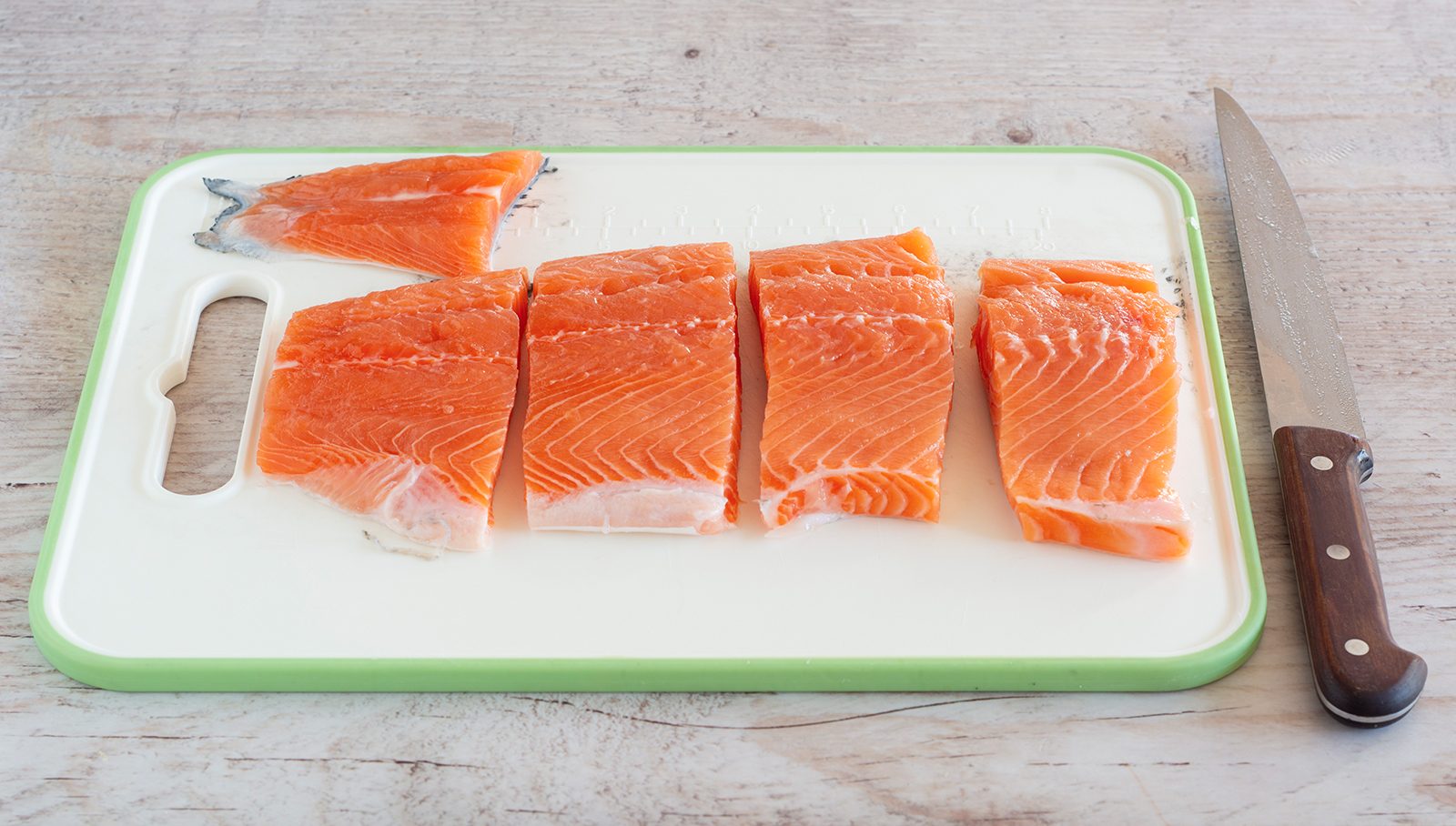
Quickly rinse the salmon under running water and remove any remaining bones using tweezers. Then, using a sharp knife, cut it into slices, leaving the skin intact.
Quickly rinse the salmon under running water and remove any remaining bones using tweezers. Then, using a sharp knife, cut it into slices, leaving the skin intact.

Prepare the teriyaki sauce: heat the soy sauce in a saucepan, without bringing it to the boil.
Prepare the teriyaki sauce: heat the soy sauce in a saucepan, without bringing it to the boil.

Transfer it to a bowl and add the brown sugar, then mix well, so that it dissolves completely.
Transfer it to a bowl and add the brown sugar, then mix well, so that it dissolves completely.
;Resize,width=712;)
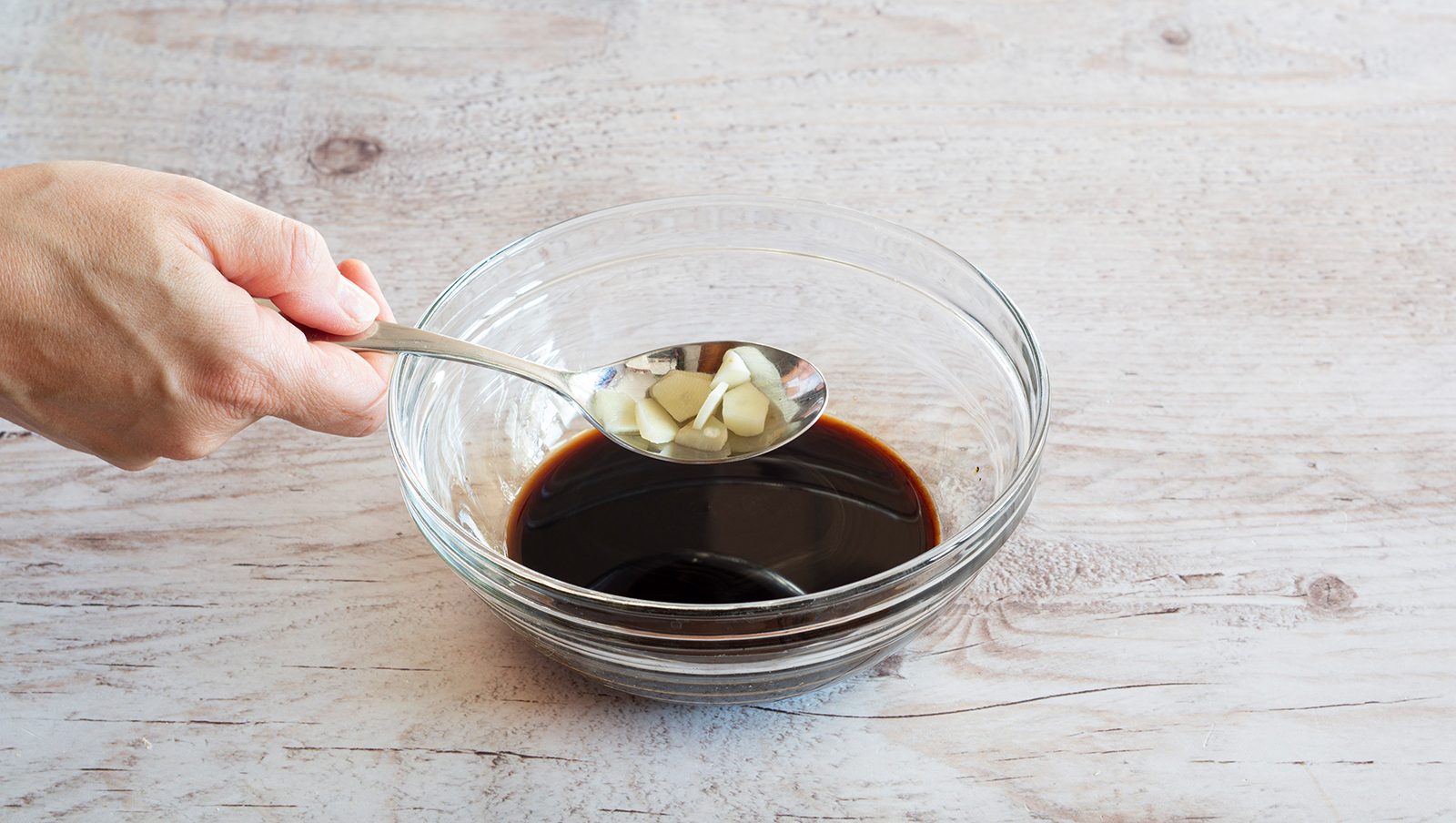
Add the garlic, peeled and sliced.
Add the garlic, peeled and sliced.

Also add a few peppercorns and the sliced ginger.
Also add a few peppercorns and the sliced ginger.

Finally, pour the mirin into the bowl and mix to combine all the ingredients.
Finally, pour the mirin into the bowl and mix to combine all the ingredients.

Place the salmon in a bowl, trying not to overlap it, and cover it with the teriyaki sauce. Cover it with cling film and leave it to marinate for a couple of hours in a cool place, remembering to turn it occasionally.
Place the salmon in a bowl, trying not to overlap it, and cover it with the teriyaki sauce. Cover it with cling film and leave it to marinate for a couple of hours in a cool place, remembering to turn it occasionally.

Once ready and well drained, place it on a hot plate, placing it skin side down and cook it for 7-8 minutes.
Once ready and well drained, place it on a hot plate, placing it skin side down and cook it for 7-8 minutes.

Strain the marinade through a fine mesh strainer.
Strain the marinade through a fine mesh strainer.

Deglaze the salmon with the sauce and cook for another 4-5 minutes.
Deglaze the salmon with the sauce and cook for another 4-5 minutes.

Meanwhile, toast the sesame seeds for 2-3 minutes in a non-stick pan.
Meanwhile, toast the sesame seeds for 2-3 minutes in a non-stick pan.
;Resize,width=712;)
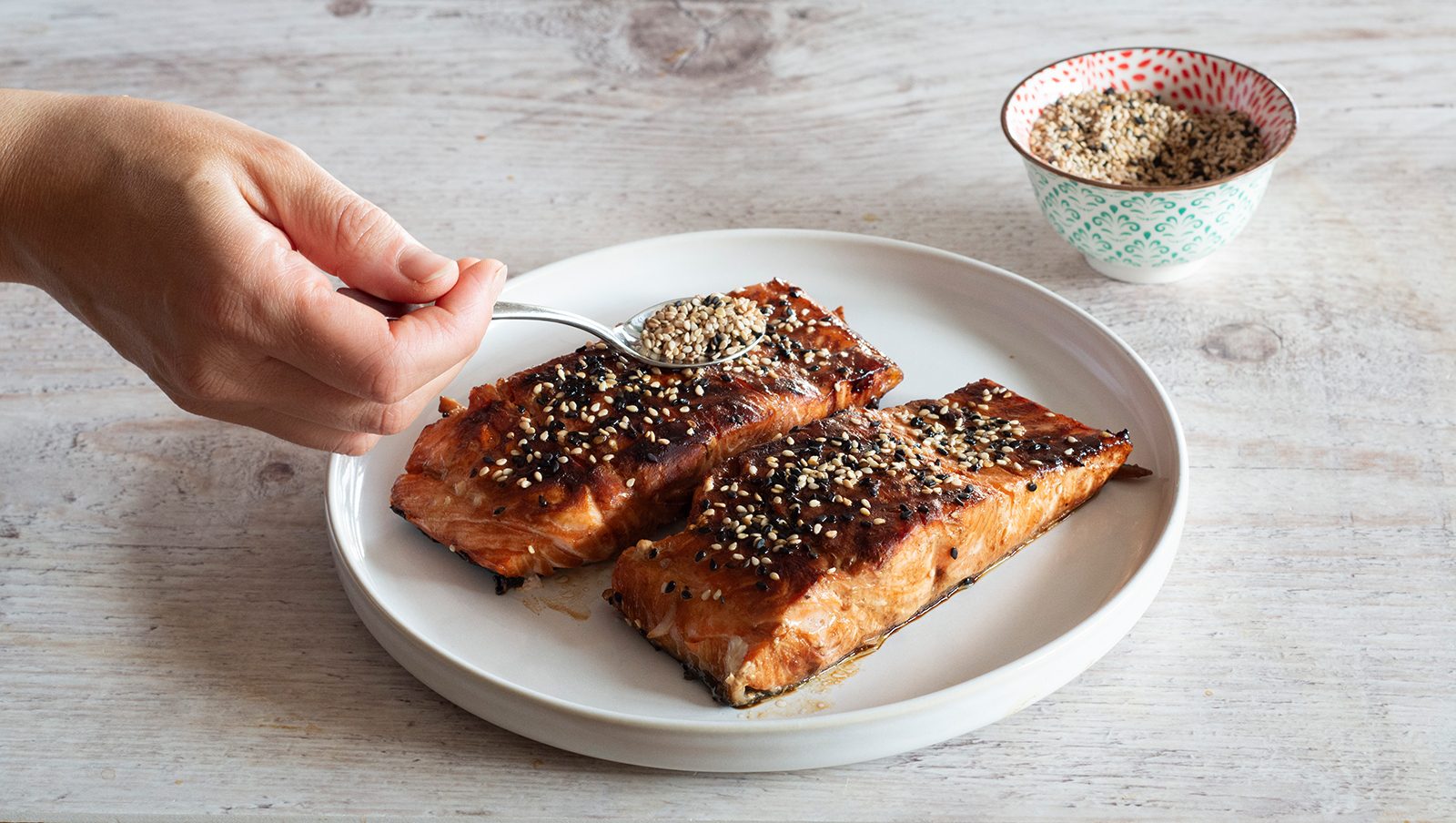
Transfer the salmon to plates and garnish with toasted sesame seeds.
Transfer the salmon to plates and garnish with toasted sesame seeds.

The salmon in teriyaki sauce is ready to be enjoyed!
The salmon in teriyaki sauce is ready to be enjoyed!
Storage Instructions
It's best to eat salmon with teriyaki sauce immediately. Teriyaki sauce, however, can be stored in the refrigerator, in a tightly closed glass container, for up to 2 days.
;Resize,width=767;)

