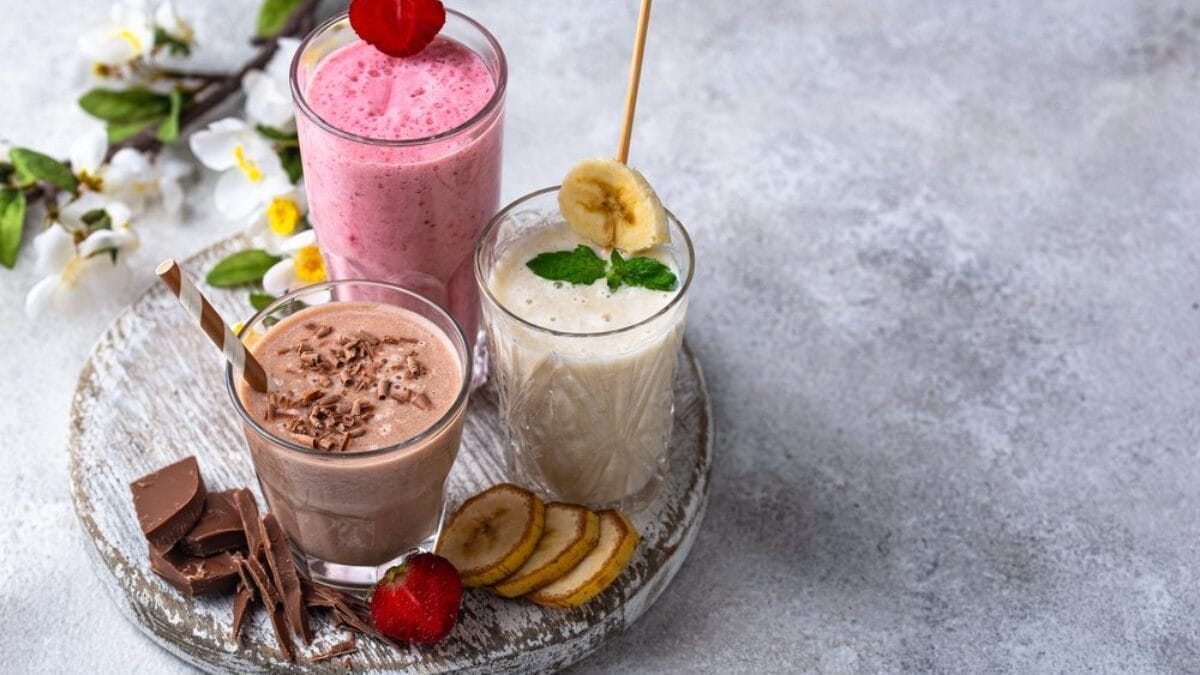
When summer brings soaring temperatures, the search for refreshment also involves what we eat: it's not uncommon, therefore, to seek out fresh and thirst-quenching foods, yet pleasant and unconventional at the same time. Cold drinks play a starring role during the warmer months, with glasses of smoothies, milkshakes, and shakes becoming more and more popular after their winter hibernation. Fresh fruit—but also vegetables—are blended together with ice, milk, and plant-based drinks, and in some cases, even yogurt and ice cream, resulting in very different results in terms of flavor, consistency, and calories, which, however, tend to be confused. Below, we'll look at the main differences and key characteristics of these four variations on the theme, to help you decide which one to choose if you're looking for a healthy boost or a sweet treat.
Shakes
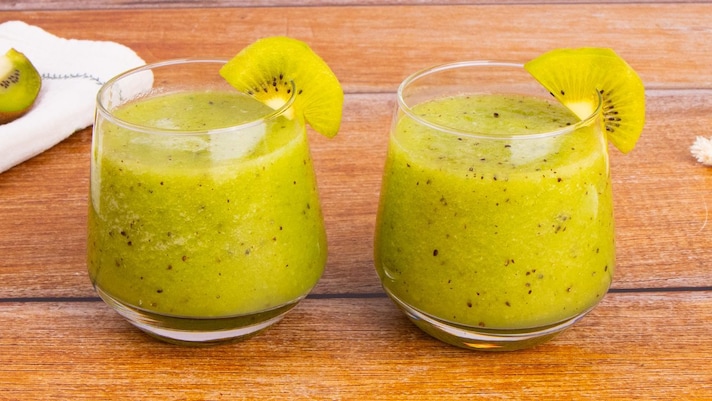
Let's start with a very common preparation, very easy to make at home with just a few simple ingredients. It's made by blending fresh fruit with a base like classic milk, a plant-based drink, or water . Its consistency tends to be very fluid, which varies depending on the pulp of the fruit chosen: strawberries and bananas, for example, will yield a thicker result, while kiwis and pineapples, thanks to their high water content, produce a more liquid drink. A shake is generally a healthy food, enjoyed for breakfast or as a snack for a vitamin boost.
Frappe
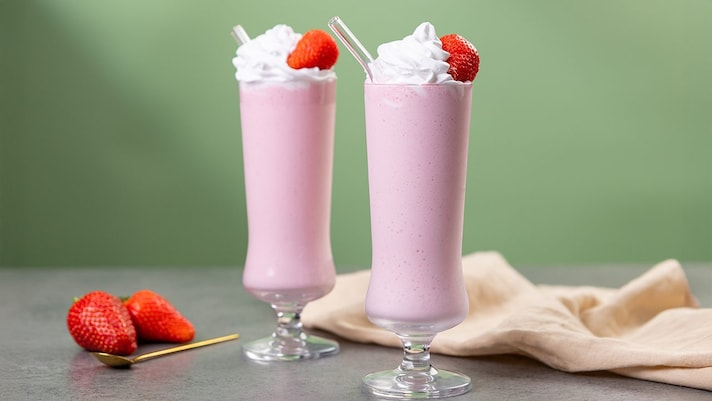
The French term frappè means “struck by frost,” as cited in the dictionary, with the meaning of “frozen.” Precisely for this reason, it is a variant of the milkshake that is prepared with ice, cold milk, and sugar or with ice cream, to be used in various flavors. Fresh fruit (such as strawberries) can be added, but the ingredients also include coffee, chocolate (common in the powdered version), or syrups, such as mint. The texture is creamy and compared to the previous drink, the level of indulgence (and calories) is increased, so much so that a dollop of whipped cream can be added on top.
Smoothies
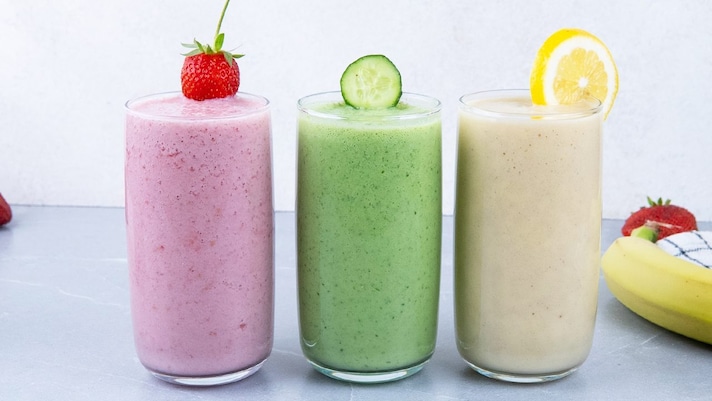
This type of smoothie often rhymes with healthy food, associated with a light drink. Smoothies, in fact, originated in the United States as a refreshing, colorful, and delicious way to consume fruit, but also seasonal vegetables, including spinach, carrots, and beets—taking advantage of their nutritional properties —using them individually or mixed, as is done with juicers. The vegetables are combined with a few liquids such as milk or plant-based drinks, yogurt, or ice, because in proportion, they prevail. Smoothies have a soft, smooth consistency, with popular variations in which the fruit is blended from frozen, to give an airy, creamy texture. In terms of decoration, foods that give a nod to well-being, such as fresh fruit, dried fruit, and oilseeds, stand out.
Milkshake
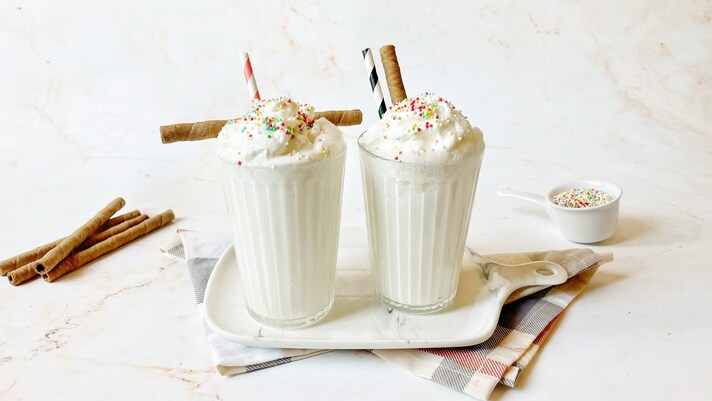
What can be considered a true dessert, however, is the milkshake: it is not uncommon to see it served not only with a straw, but also with a spoon, perfect for scooping up this mixture with its full-bodied, velvety appearance. The collective imagination takes us back to American diners, with film buffs remembering the famous vanilla milkshake ordered by Uma Thurman in the film Pulp Fiction with John Travolta, who said: “That's milk and ice cream.” Exactly: to make it, milk and ice cream are combined (the most popular are vanilla and chocolate) and, to give a silkier consistency, fresh cream is also added, to which syrups, flavored powders, or fresh fruit are added. Toppings should not be underestimated: the milkshake is garnished with a swirl of whipped cream and a variety of garnishes, from Maraschino cherries with the stem to crumbled wafers and cookies.

