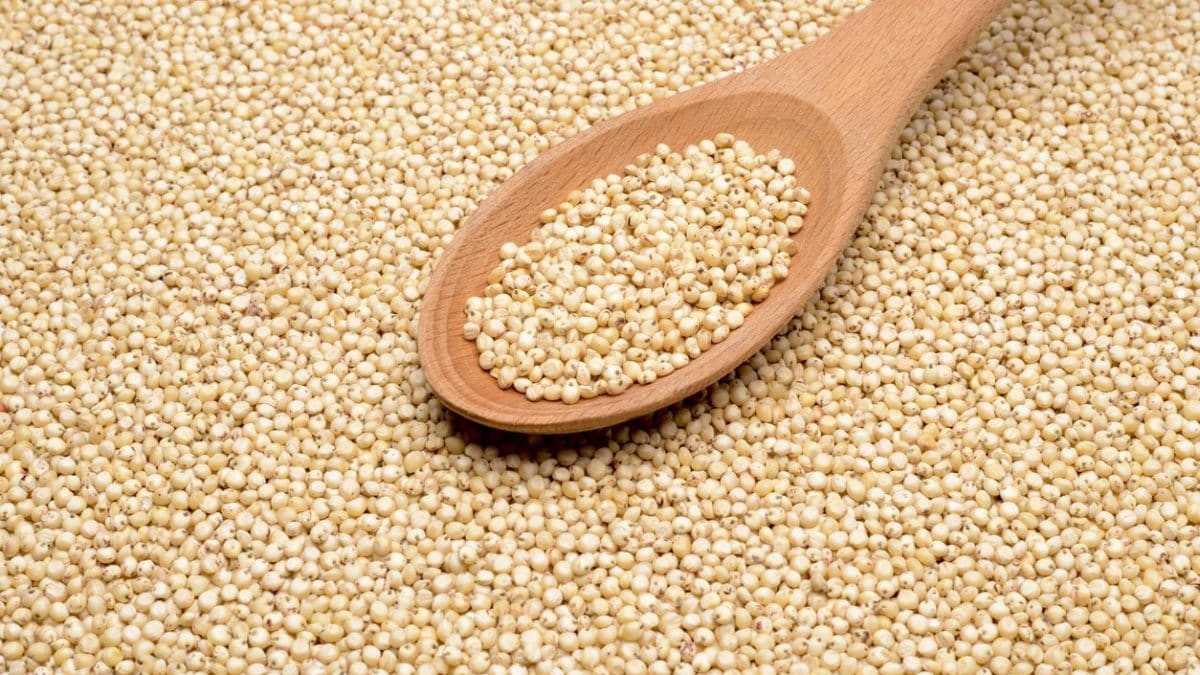
Sorghum is an ancient cereal: it is an annual herbaceous plant that belongs to the Graminaceae family and has been cultivated for millennia, especially in Africa and Asia. One of its greatest advantages is linked to the habitat in which it grows: it is, in fact, a plant capable of growing even in conditions of intense heat and scarce irrigation, a characteristic that has made it particularly widespread worldwide thanks to its resistance and a lower need for water than other cereals, for example wheat, corn and rice. Historically it was a staple food of many populations as it was used as flour to make bread: together with millet, it was popular in the diet of the Greeks and Romans, who had introduced it to Europe, but over time it was replaced by other crops, particularly wheat, and used primarily for the production of animal feed and bioenergy. Today in our latitudes sorghum is experiencing a real gastronomic revaluation, thanks to its interesting nutritional profile, for being completely gluten-free and versatile in the kitchen.
Sorghum's Properties and Benefits
Sorghum seeds are eaten, small and round, and can be different colors —white, red, or brown. There are several cultivars, including bicolor, vulgare, caudatum, kafir, guinea, and durra. Its common name varies from continent to continent and country to country. The most important producers of sorghum are the United States, Sudan, Nigeria, Mexico, India, China, Burkina Faso, Brazil, Australia, and Argentina. Nutrient-wise, sorghum is primarily composed of slow-release complex carbohydrates, which provide energy gradually and without causing glycemic spikes. It also contains protein, fiber, vitamins, and minerals, such as potassium and magnesium. Some studies show that white sorghum flour for food use "contains approximately 10% protein and approximately 3.3% fat (mostly unsaturated), higher than those of wheat. It is rich in carbohydrates, contains micronutrients, and is abundant in insoluble fiber. It is also a potential source of nutraceuticals such as polyphenols and tannins, antioxidants associated with the prevention of certain human diseases." So, let's see what its main benefits are.
1. Suitable for Celiacs
Sorghum is naturally gluten-free, so it can be safely consumed even by those with celiac disease, offering a nutritious alternative to traditional grains, especially corn.
2. Antioxidant and Anti-Inflammatory Action
Sorghum contains polyphenols, natural substances that help the body defend itself from oxidative stress and keep inflammatory processes under control. Simply put, it helps protect cells from daily wear and tear and the negative effects of free radicals.
3. Heart Health
Some natural bioactive compounds found in sorghum appear to promote better blood fat balance by keeping "bad" cholesterol levels in check. When included in a healthy lifestyle, it can help protect the cardiovascular system.

4. Feeling of Satiety
Sorghum starch is absorbed slowly by the body, meaning it keeps you full longer than other refined grains. Including it in your meals can therefore help you avoid snacking and better manage your appetite.
5. Support for The Intestinal Microbiota
Thanks to the presence of fiber and bioactive substances, sorghum can nourish the “good” bacteria in the intestine, promoting an intestinal environment with less inflammation and more regular digestion.
Sorghum's Contraindications
Sorghum is generally considered a safe grain, but like all foods, it can present some minor contraindications in certain situations. In people who are particularly sensitive to grasses, the pollen may cause allergic reactions, although these are rare. It also contains substances called phytates (phytic acid, found in whole grains, legumes, and nuts), which can reduce the absorption of certain minerals such as iron and calcium if consumed in large quantities and without variety in the diet. Otherwise, they do not pose a problem.

How to Use It in Cooking
One advantage of sorghum is that it is a versatile ingredient in the kitchen, although it is still little used and, consequently, not so popular commercially: it is mainly found in mixed cereals, or in preparations suitable for those suffering from celiac disease. The whole seeds, after a brief rinse under running water, are boiled just like rice, barley, and spelt. Once ready, they are tender but firm, with a delicate flavor vaguely reminiscent of hazelnuts. This makes it ideal for sweet and savory recipes, from cold salads to bowls, as well as to enrich soups and broths, best when combined with seasonal vegetables and legumes for healthy dishes. The grains are also puffed and used to make classic biscuits (instead of rice), light and crunchy. Traditionally, sorghum is ground to make a gluten-free flour (called durra) for baking: it can be used alone or mixed with other grains, as the dough does not develop the gluten network, which means it tends to rise less, remaining more compact. In cakes and biscuits, it gives a pleasantly toasted flavor. Sorghum is also suitable for making beverages, such as beer or what in the past we would have called "vegetable milk", combining gluten-free and lactose-free, also suitable for those following a vegan diet.

