What says more about a people than its culinary traditions? Because the history of a nation also passes through its food, where dishes become not only nourishment but also a symbol of communion, identity, and shared knowledge: so important that UNESCO, for several years now, has also included gastronomic traditions among the assets to be protected.
Food, therefore, is not merely sustenance, but the identity and culture of a people, and this is precisely what UNESCO defends: in fact, intangible heritage (and the word itself suggests it) is not the individual dish, but the tradition and rituality of the process that leads to the creation of that product, such as the processing of Chinese tea or the lifestyle of Slovenian beekeepers, to give just one example.
As you might imagine, many of the dishes found on tables around the world are the result of traditions and rituals passed down from generation to generation, which the United Nations Educational, Scientific and Cultural Organization has decided to protect and preserve.
1. Cous Cous

A traditional North African dish now loved and consumed around the world, couscous has been added to the Intangible Cultural Heritage List after a four-year process. A recipe made from semolina and durum wheat, accompanied by vegetables, meat, or fish, all expertly spiced: it's not just a simple dish, but a ritual involving several stages of preparation, starting with the cultivation of the grain, followed by the grinding of the seeds to obtain a semolina that is then processed by hand, steamed, and cooked.
A nomination signed and submitted by Algeria, Mauritania, Morocco, and Tunisia that aims to preserve a true cultural symbol, because it is "a dish rich in social and cultural meanings and dimensions, all linked to solidarity, conviviality, sharing a meal, and being together."
2. Kimchi
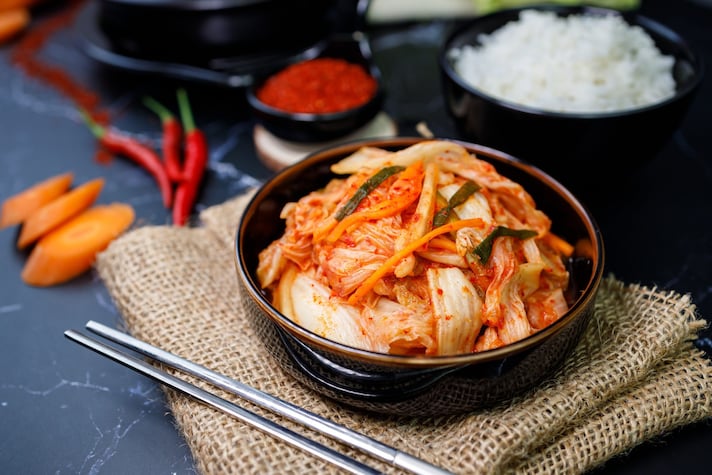
Some say food brings people together, and kimchi is proof of this: protected by UNESCO since 2013, this traditional Korean dish is a product of Korean culture, even though the nomination was submitted only by South Korea. But as we've said, it's not the dish itself that's being preserved, but the ritual surrounding it: this is why the UNESCO list is for the collective practice of Kimjang, which "reaffirms Korean identity and represents an excellent opportunity to strengthen family cooperation," but also "a reminder to many Koreans of the need for human communities to live in harmony with nature."
Kimchi is a dish made from salted, fermented vegetables, and the seasoning can vary from gochugaru, or chili flakes, to garlic, ginger, and jeotgal, or seafood. However, kimchi isn't always the same, but varies from region to region, and "the specific methods and ingredients used in kimjang are considered an important family heirloom, usually passed down from mother-in-law to newlywed daughter-in-law."
3. Belgian Beer

While not ranked as the country that produces the most beer in terms of volume, Belgium boasts a remarkable amount of different types: in fact, there are around 1,500 types of beer that use different fermentation methods and one of the oldest is the traditional beer produced by Trappist monks.
What UNESCO aims to protect, in this case too, is the tradition underlying the production of this beverage now consumed worldwide. A process passed down from generation to generation, "including by master brewers who teach brewery courses and specialized university courses for those working in the sector." This tradition extends not only to the product itself, but also to the way it is produced, preserving the environment with sustainable practices that "have become an integral part of corporate culture, encouraging the use of recyclable packaging and new technologies to reduce water consumption in production processes."
4. The French Gastronomic Meal
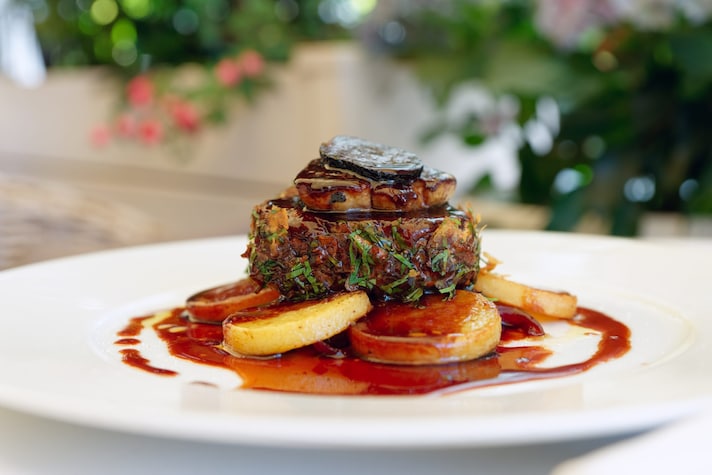
Mealtime is certainly a moment that goes beyond mere sustenance and often becomes a time of conviviality and sharing: these two pillars underpin the French gastronomic meal, and this is precisely one of the aspects UNESCO seeks to protect, including it in 2010 on the list of intangible cultural heritage. It is a meal that follows a specific order, and from which, even today, various Western cuisines draw inspiration: it begins with an aperitif, followed by an appetizer, fish or meat, side dish, cheese, dessert, and concludes with liqueurs. As reported on the UNESCO website, "the gastronomic meal emphasizes conviviality, the pleasure of taste, and the balance between human beings and the products of nature": a truly social practice typical of special events such as weddings, births, birthdays, and anniversaries, to share the art of good food together.
5. Lavash
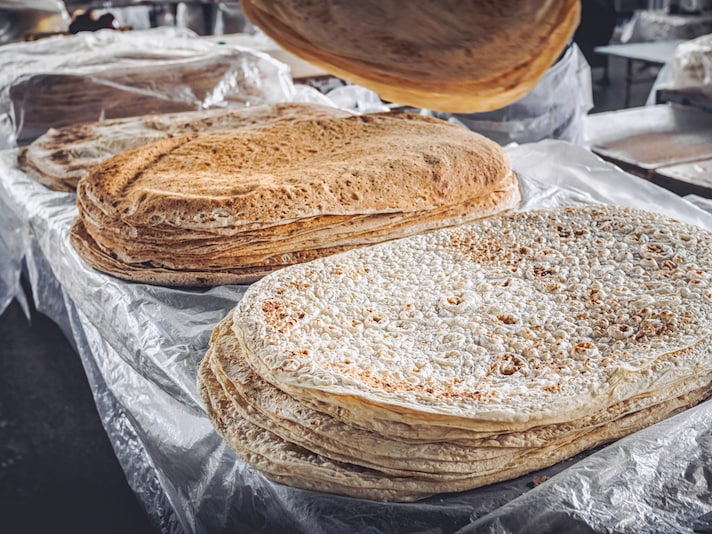
Made only of flour, water, and salt, lavash is a typical bread of the Southern Caucasus, particularly Armenia, and Western Asia. Added to the list in 2014, it is simply unleavened bread, the preparation of which "is usually entrusted to a small group of women and requires great commitment, coordination, experience, and specific skills." A very particular process that involves making the dough, divided into balls, which is then rolled into thin layers and spread on a special oval cushion: the sheet is then banged against the very hot walls of a particular conical clay oven and cooking takes a very short time, from 30 seconds to a minute. One of the most surprising characteristics of lavash is that it can be stored for very long periods, up to six months. Its most important symbolic role is during weddings where, once ready, it is placed on the shoulders of the newlyweds as a wish for fertility and prosperity.
6. Nsima
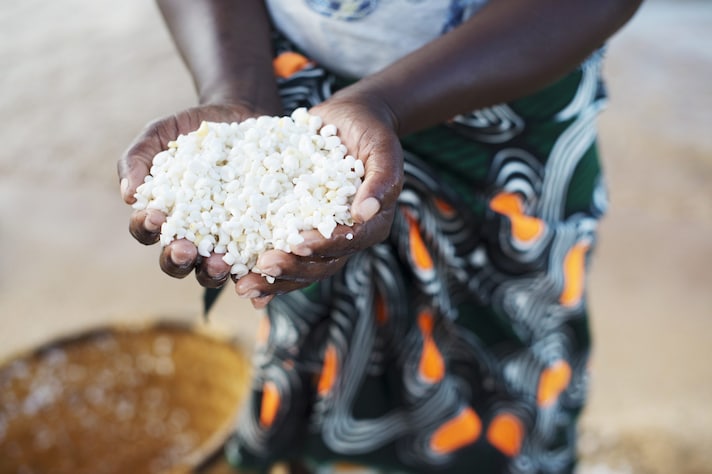
One of the emblematic dishes of Malawian gastronomic tradition, a kind of porridge made with cornmeal and chilled until it can be assembled into wedges to be eaten by hand: nsima has enjoyed UNESCO protection since 2017. In Malawi, it is often used as bread, accompanying various dishes such as soups, stews, fish, meat, and vegetables. Here too, what is protected is not the dish itself, but all the work that goes into its creation: "Nsima is prepared through an elaborate process that requires specific knowledge, from grinding the corn into flour, to selecting the accompanying foods, their preparation, and their serving […] The process of growing, preserving, processing, and preparing the corn from which nsima is obtained is tied to the Malawians' way of life, and eating nsima is a community tradition within families and an opportunity to strengthen bonds."
7. Singapore Street Food
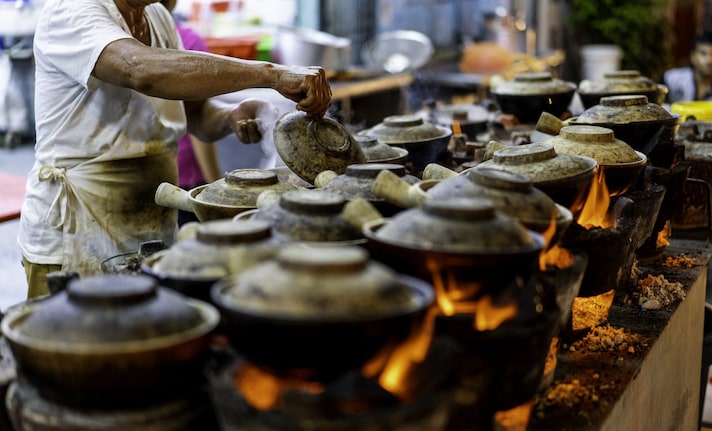
Not only Singapore's street food has been inscribed on the list of intangible cultural heritage , but also the so-called Hawker culture. What is it? A melting pot of cultures, the result of migratory flows from Southeast Asia and the Far East, which has given rise to a rich cuisine. According to the description provided by UNESCO itself, hawker centers are "‘community dining rooms‘ where people from different backgrounds gather and share the experience of lunch and dinner. […] They have become symbols of Singapore as a multicultural city-state." One of the main features is the opportunity to sample dishes from different cultures, ranging from Indian to Chinese cuisine, for example, all influenced by one another.
8. The Art of the Neapolitan Pizza Maker
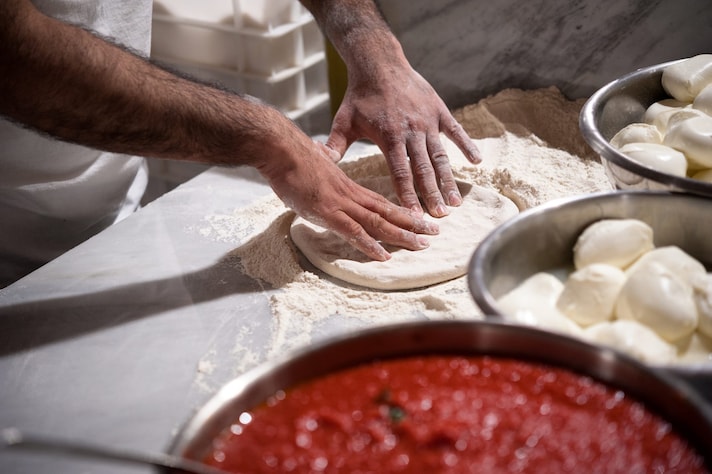
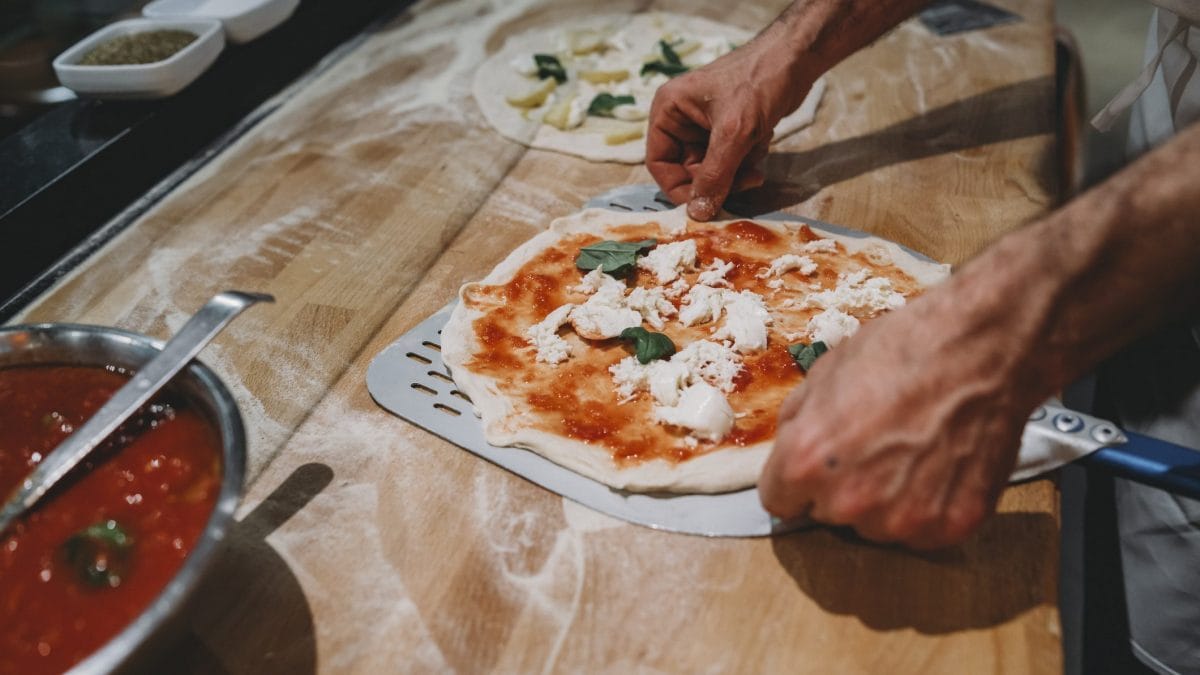
One of Italy's quintessential symbols, pizza was born in the alleys of Naples, where dozens of pizza makers daily practice a precise ritual of dough kneading and baking: a skill passed down from generation to generation "and continually recreated, capable of providing the community with a sense of identity and continuity, promoting respect for cultural diversity and human creativity." Since 2017, it has officially been inscribed on the Intangible Cultural Heritage of Humanity. However, it's important to point out that this isn't about pizza itself, but "the art of Neapolitan pizza making," which aims to foster "social gatherings and intergenerational exchange, taking on a spectacular character, with the pizza maker at the center of his ‘bottega‘ sharing his art."
9. The Mediterranean Diet
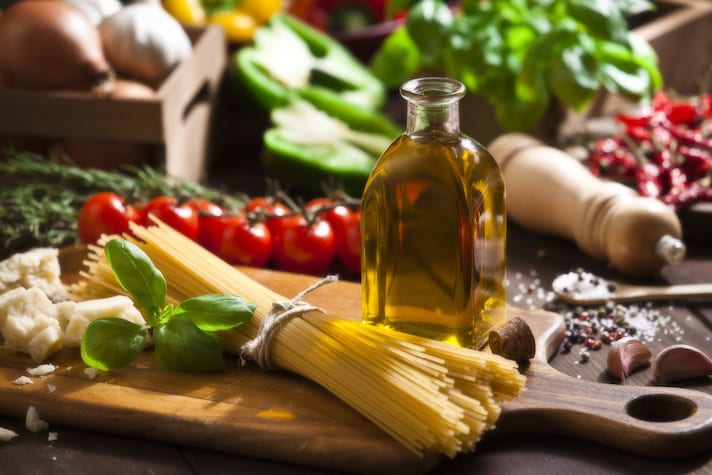
The first Italian tradition to be protected by UNESCO: officially included in 2010 along with Spain, Greece, and Morocco, it was then extended in 2013 to include Portugal, Cyprus, and Croatia. Despite all the signatory countries, it is impossible not to place it in Italy: having become one of the symbols of Italian culture, the Mediterranean diet is more than just a list of foods or the famous food pyramid. As stated on the UNESCO website itself, it is a way of life "that encompasses a series of skills, knowledge, rituals, symbols, and traditions related to the cultivation, harvesting, fishing, livestock farming, preservation, cooking, and above all, the sharing and consumption of food. Eating together is the basis of cultural identity and the continuity of communities in the Mediterranean basin, where the values of hospitality, neighborliness, intercultural dialogue, and creativity are combined with respect for the land and biodiversity. In this sense, the cultural heritage of the Mediterranean diet plays a vital role in rituals, festivals, celebrations, and cultural events, bringing together people of all ages and social classes. It is a community life that also values crafts and local vocations, such as the production of containers for storing and consuming food, the artistic manufacture of ceramic and glass plates and glasses, and the art of embroidery and weaving." It is therefore a true philosophy of life that, even today, is followed by all those who want a healthy, balanced and sustainable lifestyle.
10. The Washoku Diet
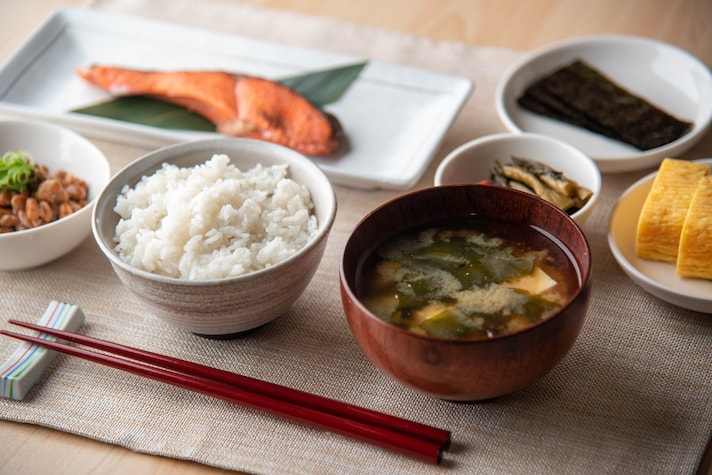
While the Mediterranean diet is known worldwide, it's obviously not the only one: in this case, we're moving to Japan, where their washoku diet has been a UNESCO World Heritage Site for over a decade. Even in the Land of the Rising Sun, this type of diet "is associated with a profound spirit of respect for nature, closely linked to the sustainable use of natural resources": local ingredients such as rice, fish, vegetables, and wild plants make up their dishes, respecting seasonality and allowing the Japanese to have a longer-than-average life expectancy.
11. Ukrainian Borscht
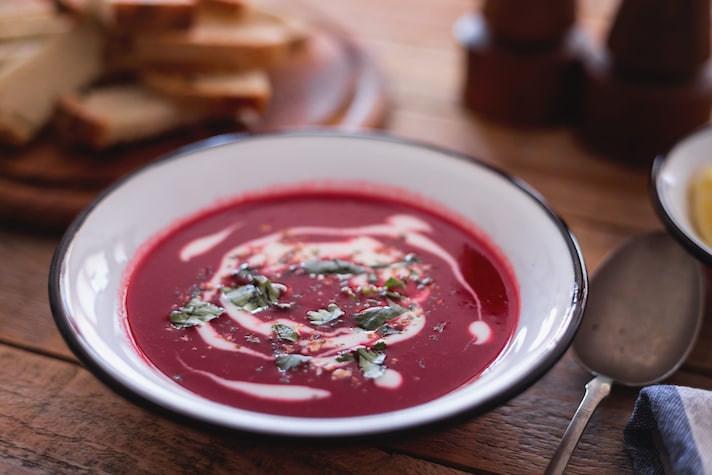
A deep red soup made with beets, cabbage, broth, beef, and pork, with the addition of sour cream: borscht is one of Ukraine's iconic dishes, formally protected since 2022. Its inclusion on the list was also accelerated by the outbreak of the conflict with Russia, which caused "the displacement of carriers from their communities of origin and the cultural contexts necessary for the preparation and consumption of borscht in Ukraine." This problem is primarily linked to the fact that, as with every item on this list, the practices and knowledge associated with this dish are considered UNESCO World Heritage Sites. It symbolizes an identity threatened by the conflict, which has also led to the "destruction of the surrounding environment and traditional agriculture," making life difficult for communities trying to find the ingredients to prepare the dish.
12. French Baguette
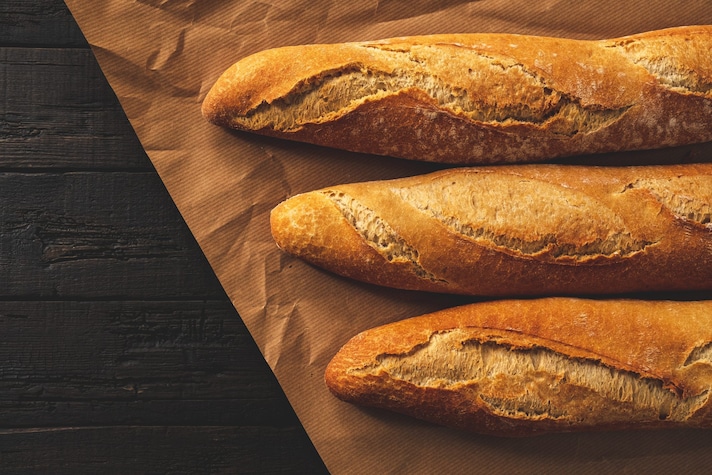
A designated Intangible Cultural Heritage of Humanity since November 30, 2022, the French baguette, an undisputed symbol of France, is recognized by its elongated shape, crispy crust, and soft crumb. This is no ordinary bread, but a product that requires "specific knowledge and techniques: they are baked throughout the day in small batches, and the results vary depending on the temperature and humidity."
13. The Knowledge of The Masters of Cuban Light Rum

Although it is produced in many countries and its origins date back to Asia, rum is inextricably linked to Cuba. Specifically, this type of rum first appeared in 1862 in Santiago de Cuba, and "since then, there has been an uninterrupted transmission of the knowledge of the masters of Cuban light rum, which is put into practice in the aging cellars, blending areas, and laboratories." Declared a UNESCO World Heritage Site in 2022, those protected are primarily the masters of light rum who "follow a code of ethics focused on respect for the culture of Cuban rum, its history, and its best practices, with ecoculture and harmony with the environment at its core."
14. Tunisian Harissa
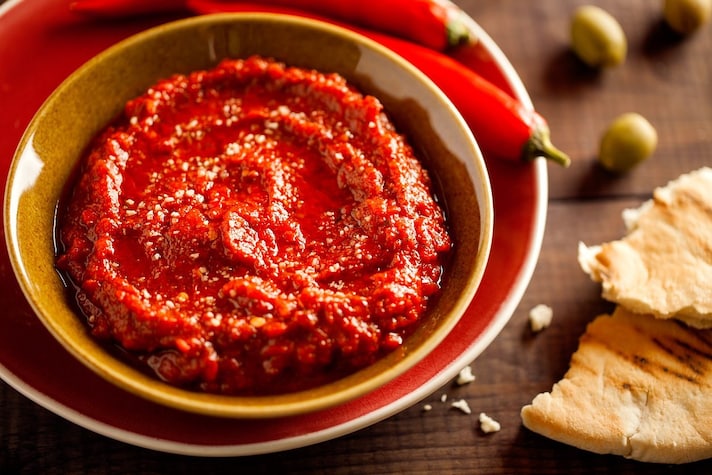
A typical condiment in Tunisian cuisine, harissa is a mixture of red chili peppers, garlic, and oil, somewhat similar in appearance to our tomato paste. It is prepared by "drying chili peppers in the sun, then splitting them in half, removing the stems and seeds. The chili peppers are then washed, ground, and seasoned with salt, garlic, and coriander using a mortar or hand grinder," before being stored in glass containers for later consumption. Traditionally, women prepare this recipe for occasions such as parties and receptions, whether family or neighborhood. One of its distinctive features is the harvesting of chili peppers: in fact, they must be grown only at certain times of the year, because some are considered "unlucky."
15. Tea Processing and Associated Social Practices in China
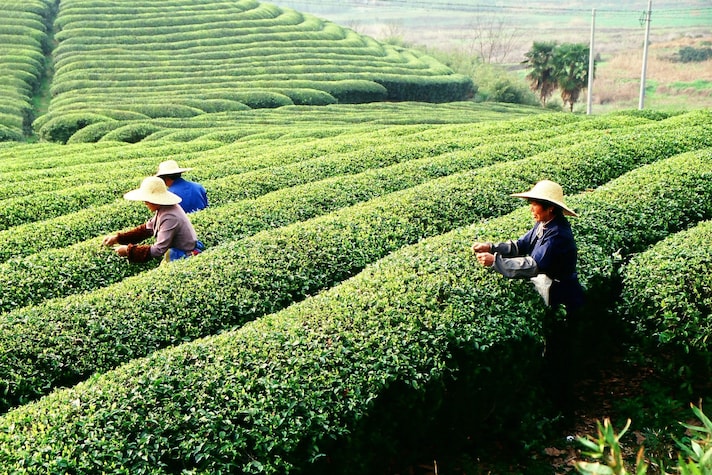
A product inextricably linked to China, where a special ceremony dedicated to it is held: a bond made even stronger by the inclusion in the list of processing and social practices that affect the entire tea world. And if China is considered the homeland of this ingredient, it is no coincidence: in fact, producers have developed six categories (green, yellow, dark, white, oolong, and black tea) to which are added another 2,000 types with a variety of colors, aromas, flavors, and shapes.
For UNESCO, however, it's not just about the product itself, but the social and cultural characteristics associated with its consumption: "It's an important part of socialization and ceremonies such as weddings and sacrifices. The practice of welcoming guests and building relationships within families and among neighbors through tea-related activities is common to various ethnic groups, providing a sense of shared identity and continuity for communities."
16. Social Practices and Techniques of Serbian Brandy
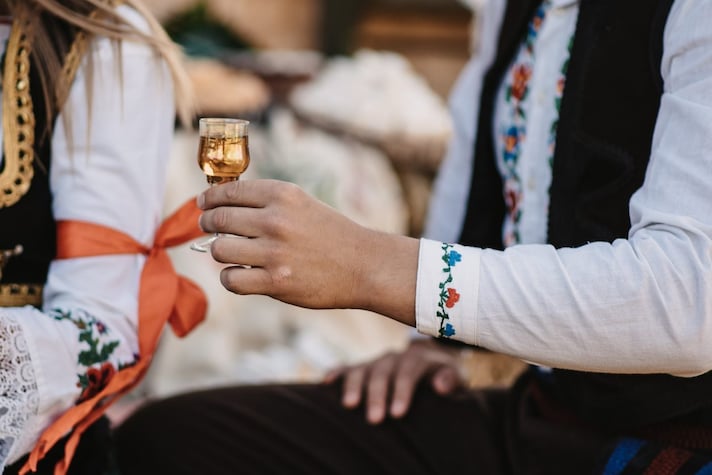
šljivovica is a distillate made from the liquid produced by fermenting plums and is a typical Serbian product. Used primarily in toasts at celebrations and ceremonies, it is also widely used as an alternative medicine, enriched with medicinal herbs or other fruits, to treat colds and pain, and also as an antiseptic.
Its production involves a precise series of steps: "The plums are usually grown on family farms and harvested in autumn. They are fermented for 20-30 days, then distilled in handmade copper vessels to produce a light brandy. A second distillation creates a stronger brandy. The final stage involves aging in a barrel, usually oak, for at least a year."
17. Al-Mansaf, Jordanian Dish
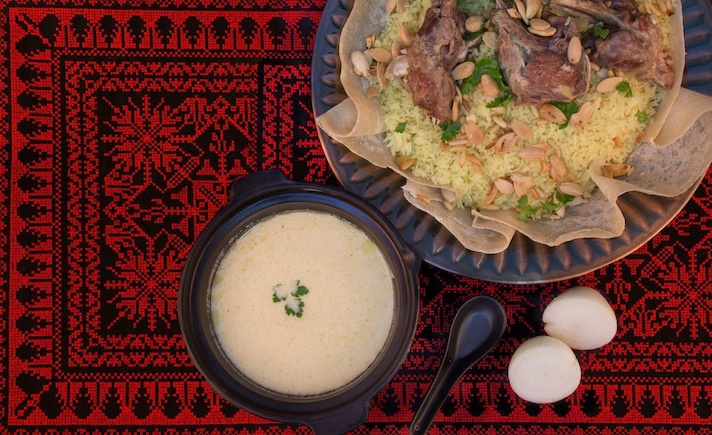
A symbol of Jordan with profound socio-cultural significance, mansaf is a convivial dish, particularly popular during holidays, to be placed at the center of the table and shared with all diners. Listed as an intangible cultural heritage site in 2022, it is a dish that "evokes a deep sense of identity and social cohesion, associated with the agro-pastoral lifestyle where meat and dairy products are readily available." It is primarily made from pieces of sheep or goat meat boiled with spices and a yogurt sauce. It is usually served with rice or bulgur wheat on a layer of thin bread.
18. The Lifestyle of Slovenian Beekeepers

A small nation with approximately 200,000 bee colonies, a number that immediately illustrates what beekeeping means to the Slovenian people. Indeed, on the UNESCO website, we can read: "In Slovenia, beekeeping is a way of life for many individuals, families, and communities, who obtain bee products for food and traditional medicine and put their knowledge and skills at the service of bees and the environment." This activity is characterized by immense respect, not only for the work but also for the bees themselves, which Slovenians consider "their teachers and friends, as well as symbols of virtue, intelligence, and frugality."
19. çay Culture Symbol of Identity, Hospitality and Social Interaction
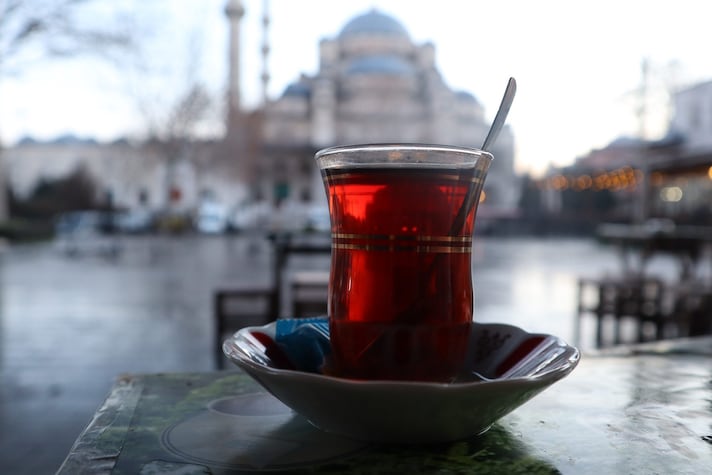
We now move to Azerbaijan and Turkey, with the traditional culture of çay, or black tea, the type primarily consumed by both peoples. Here, too, tea takes on a meaning that goes beyond the mere pleasure of taste, becoming "an important social practice that demonstrates hospitality, builds and maintains social bonds, and is used to celebrate important moments in community life." The tea is served hot, freshly brewed, in pear-shaped cups and is usually accompanied by sweets, sugar, lemon slices, jams, and dried fruit. In some regions of Azerbaijan, local spices and herbs such as cinnamon, ginger, and thyme are also added.
20. Harees, Know-How, Skills and Practices
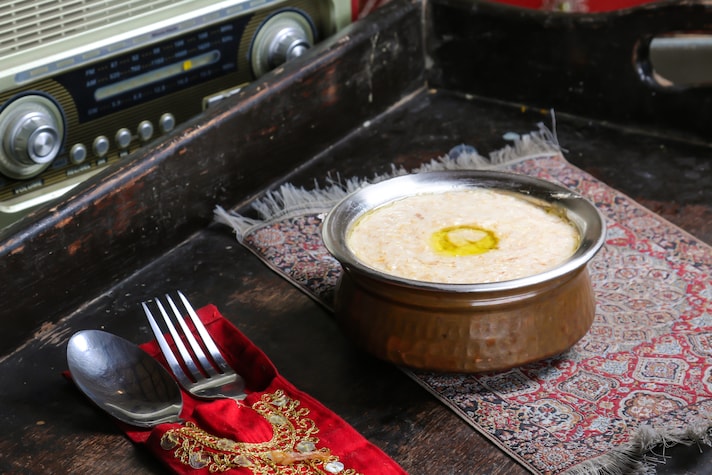
A typical dish of the United Arab Emirates, harees is made from wheat, meat, and ghee and is usually prepared in large quantities due to the effort required to clean and grind the grain. Since 2023, UNESCO has protected not only the recipe, but also its preparation and the cultural value this dish carries: "Preparing and serving harees is seen as a sign of hospitality and generosity. This practice—which is a means of fostering social bonds—strengthens bonds between people and communities, while also increasing cultural affinity within the societies concerned." It is prepared on many occasions, but especially during Ramadan, to honor guests, and at weddings: a convivial meal that "is served on large plates shared by several people and eaten with the thumb and forefinger, while sitting on one knee."
21. Production Methods of Artisanal Minas Cheese
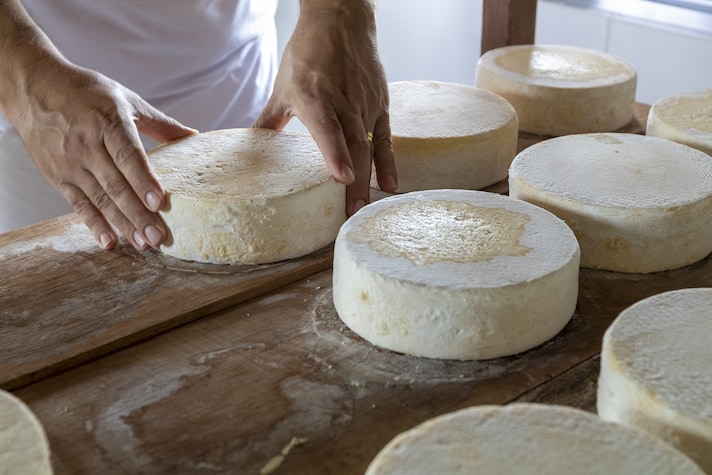
More recently, Minas cheese and its production method were added to the list of intangible cultural heritage. This Brazilian cheese, specifically from the state of Minas Gerais, is made from raw milk and pingo, "a particular type of natural yeast composed of specific bacteria that, together with the maturation period and the local climate, contributes to the cheeses' specific flavor, color, and aroma." Like other products on this list, Minas is associated with hospitality and is commonly consumed at gatherings, gatherings, and special occasions. Most of the cheesemakers who produce this cheese "own small rural properties and operate in small-scale, family-run systems."
22. Traditional Knowledge and Practices for the Preparation and Consumption of Cassava Bread
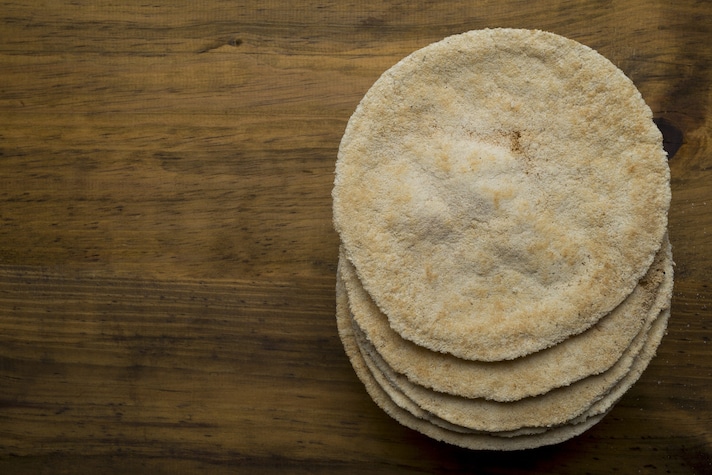
One of the most famous and widely consumed foods in the world: ingredients and cooking methods vary, giving rise to countless variations, but what remains unchanged is the meaning that bread carries with it. A registered intangible cultural heritage since 2024, cassava bread is typical of some South American countries, such as Venezuela, Cuba, the Dominican Republic, Haiti, and the Bolivarian Republic. In all these countries, it is still a bread made from the cassava tuber, but what varies is the flavor, texture, and size. Different national variations of the same product, yet mutually accepted by the various populations: this is precisely why it is a product worth defending, as it "promotes tolerance and unity, as each community values its own cassava bread production, while recognizing the practices of other communities and groups."
23. Arabic Coffee, a Symbol of Generosity

If we talk about sharing and hospitality, we can't help but mention coffee. Although espresso was rejected for inclusion in the list of intangible cultural heritage, Arabic and Turkish coffee were included (which we'll discuss later).
Only a year old, the tradition of serving and drinking Arabic coffee is a daily ritual for communities, groups, and individuals, and is served at weddings and tribal gatherings. It's not just about drinking coffee; it's a practice often accompanied by poetry recitations, stimulating discussions, and the sharing of memories. The ritual follows precise rules "that are passed down informally from generation to generation. For example, elders and guests are served first, and the coffee must be poured with the right hand. It's also customary for the coffee drinker to shake their cup to indicate they're finished."
24. Turkish Coffee Culture and Tradition

Less recent (2013) is the incorporation of the Turkish coffee tradition: here too, like Arabic coffee, this drink represents a moment of conviviality and sharing. Its consumption is accompanied by an exchange of thoughts, opinions, and concerns between friends and family, and it also plays an important role on social occasions such as holidays or engagement ceremonies.
Its preparation, which combines with a rich traditional community culture, follows specific techniques: "Freshly roasted beans are ground into a fine powder; then ground coffee, cold water, and sugar are added to a coffee maker and slowly steeped on the stovetop until the desired froth is achieved."
25. Asturian Cider Culture

A drink rarely consumed in our country, but which in Asturias, a northwestern region of Spain, has even earned a place as an intangible cultural heritage of humanity: Asturian cider is a symbol of local identity and is created by fermenting the must of native apple varieties. An integral part of the local community and gastronomy, the skills and knowledge related to apple cultivation and production are traditionally passed down within families, including "knowledge of the soil and climatic conditions of the plots, the choice of native apple varieties to plant, and the details of milling, pressing, and fermentation of the apple must."
26. Traditional Knowledge and Skills in Making Sake With Koji Mushroom in Japan
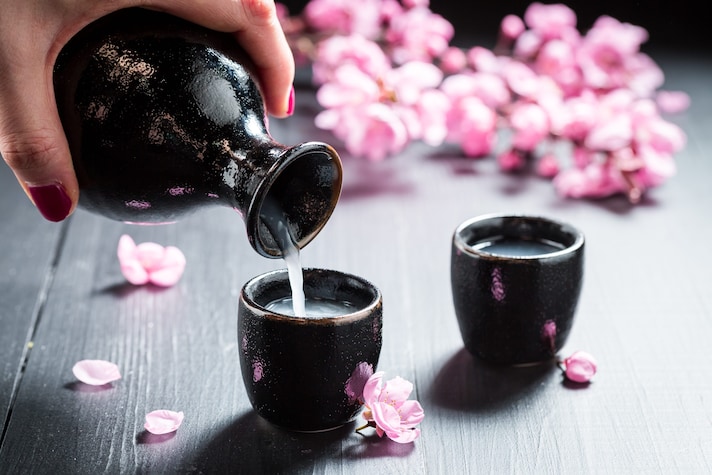
We end our list by returning to Japan, where since last year, sake production with a special fungus, koji, has been protected. It serves to transform the starches in the ingredients into sugar, and artisans "supervise the process to ensure the mold grows in optimal conditions, adjusting temperature and humidity as needed." A signature alcoholic beverage of the Land of the Rising Sun, it is traditionally prepared only by women, but with growing demand, men have also entered the production process. It represents a symbol of unity and communion among all those involved in the production, uniting those who manually work in the production with the various farmers who supply the ingredients.
27. Italian Cuisine, Between Sustainability and Biocultural Diversity
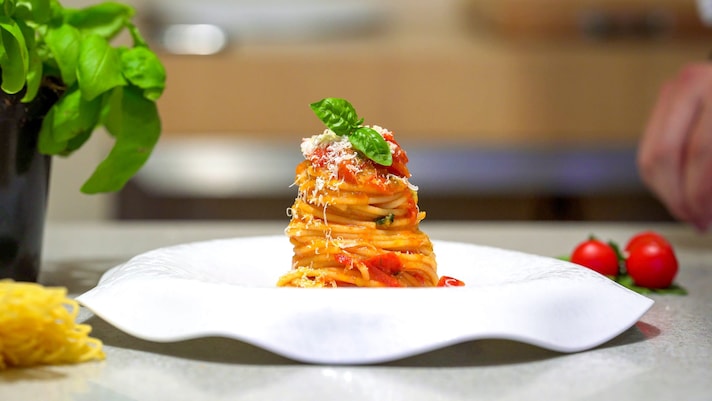
What's inscribed is not simply a list of recipes, but the values and meanings they embody. As stated in the application documents —promoted by the Italian Academy of Cuisine, the Casa Artusi Foundation, and the magazine "La Cucina Italiana," with the scientific coordination of Professor Pier Luigi Petrillo—" Italian cuisine is a daily practice that encompasses gestures, rituals, and knowledge that have given rise to a creative and artisanal use of materials, contributing to the creation of a shared socio-cultural identity that is both chronologically and geographically diverse." This recognition comes after a lengthy five-year process and establishes Italian cuisine as a vehicle of culture that, through culinary, convivial, and social knowledge, conveys values of inclusiveness and environmental biodiversity.

