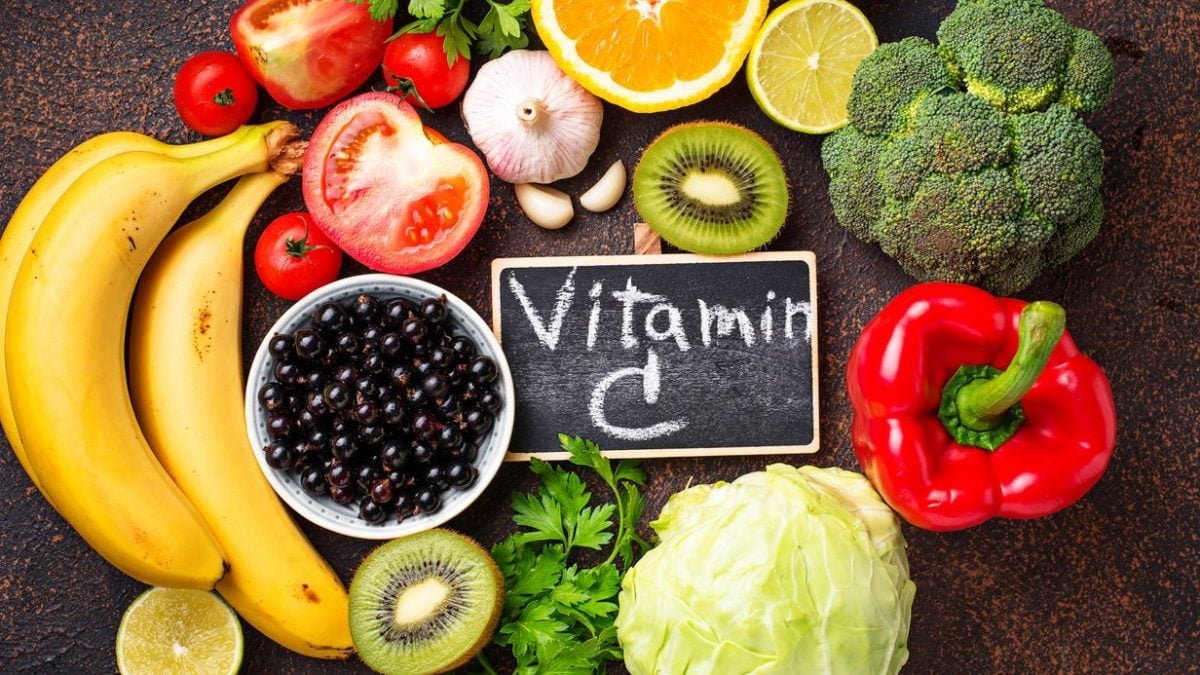
Also known as ascorbic acid, or ascorbate, vitamin C is a micronutrient essential for our body's well-being, requiring daily intake in the right doses. But why is it so important, and which foods contain the highest amounts? We asked a trusted expert, dietitian and teacher.
"Vitamin C plays a key role in antioxidant and anti-inflammatory activity, and supports the immune system," the dietitian explains.
Found primarily in certain fruits, such as kiwis, citrus fruits, and strawberries, and vegetables such as peppers, arugula, spinach, and turnip greens, it is involved in the body's main antioxidant mechanisms. However, it is an extremely delicate vitamin: it deteriorates at high temperatures and upon contact with oxygen; for this reason, it is best to consume these vegetables raw and freshly peeled to avoid potential depletion.
Let's see in detail which foods are richest in vitamin C, what health benefits it brings and what the recommended daily dose is.
Why is Vitamin C So Important?
Vitamin C is, first and foremost, a water-soluble vitamin. What does this mean? Unlike fat-soluble vitamins, which can only be absorbed in the presence of a fatty carrier (like A, D, E, and K), these are dissolved in an aqueous environment and, therefore, all foods with a good percentage of water are rich in them: fruit and vegetables are veritable goldmines of water-soluble vitamins.
This is the case with all B vitamins and vitamin C. Like fat-soluble vitamins, they too are stored in our bodies, but our reserves are quickly depleted.
Vitamin C stores are stored in the liver, which depletes within 2-6 weeks; therefore, deficiency symptoms can appear even after a significant delay in dietary intake. When consumed correctly, it is a powerful antioxidant and immune system support; however, a deficiency makes us more vulnerable to infections, not just respiratory ones.
A significant deficiency, however, can cause scurvy and pellagra, diseases that are very rare today but once common among sailors who, engaged in long ocean crossings, could not consume fresh fruit and vegetables.
Vitamin C is involved in the main antioxidant mechanisms of our body, but it performs other very important functions:
- It facilitates collagen biosynthesis and thus helps maintain youthful, elastic skin; for this reason, it's also found in many cosmetics: it's used to prevent or reduce sunspots, as a plumper, and for its anti-aging effect;
- helps the biosynthesis of bile acids;
- promotes the degradation of histamine, important to know if you suffer from a histamine allergy;
- allows intestinal absorption of iron;
- It turns out to be essential for maintaining an efficient immune system.
What is the recommended daily amount?
The average daily requirement is 75 mg for adult men and 60 mg for women; the requirement increases during pregnancy or breastfeeding, while "smokers should consider supplementing with ascorbic acid since nicotine makes it less bioavailable and destroys a large portion of its reserves," advises our expert.
Fruits and Vegetables With The Highest C Vitamin Content
Vitamin C is found in most fresh vegetables and fruits, but some contain higher amounts. Let's see which foods contain it:
1. Kiwi
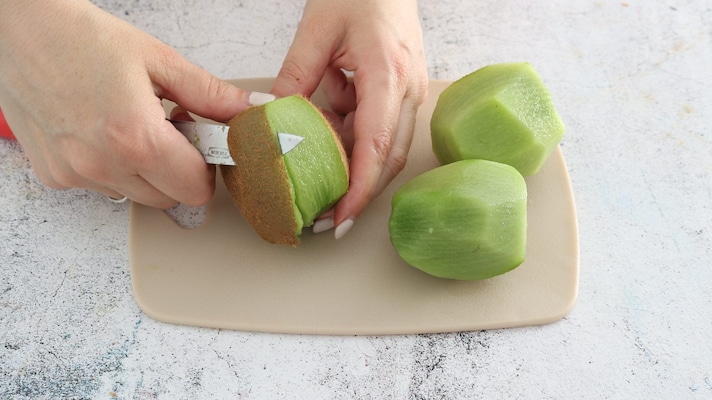
Among fruits, the place of honor unexpectedly goes to kiwis. 100 grams of its sweet pulp with a slightly acidic but pleasant aftertaste provides 85 milligrams of vitamin C: just think that consuming one fruit a day, preferably in the morning and on an empty stomach, is enough to satisfy the daily requirement of ascorbic acid.
But it certainly doesn't end there: its excellent potassium, phosphorus, calcium, and magnesium content make it a valuable ally for athletes, children, pregnant women, and the elderly. Its high water and fiber content, combined with a low glycemic index, also make it particularly recommended for those following a weight-loss or low-sugar diet. It also promotes intestinal motility and combats constipation.
2. Strawberries
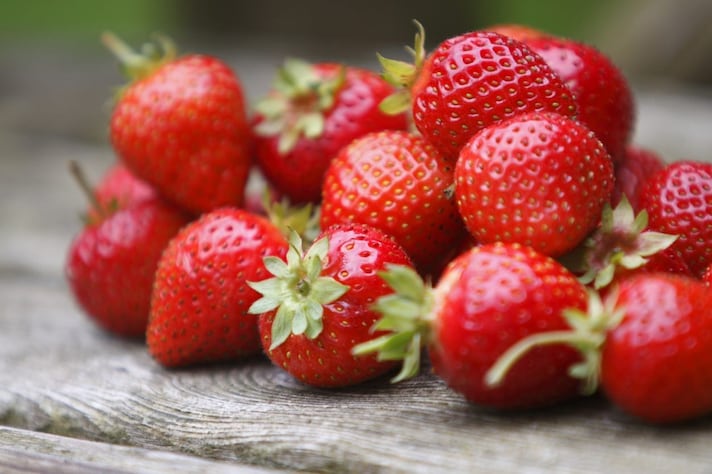
Rich in antioxidants and flavonoids, strawberries are an excellent source of vitamin C: 100 grams of product, in fact, provides approximately 54 milligrams; these juicy and pleasantly sweet fruits also contain excellent potassium, calcium and phosphorus, and boast excellent anti-inflammatory, diuretic and draining properties.
Composed primarily of water, fiber, and simple sugars, they're also perfect for those following a low-calorie diet or watching their weight; they also contain pectin, a soluble dietary fiber that promotes intestinal function and digestion by helping eliminate waste and toxins. In short, a real panacea.
3. Oranges
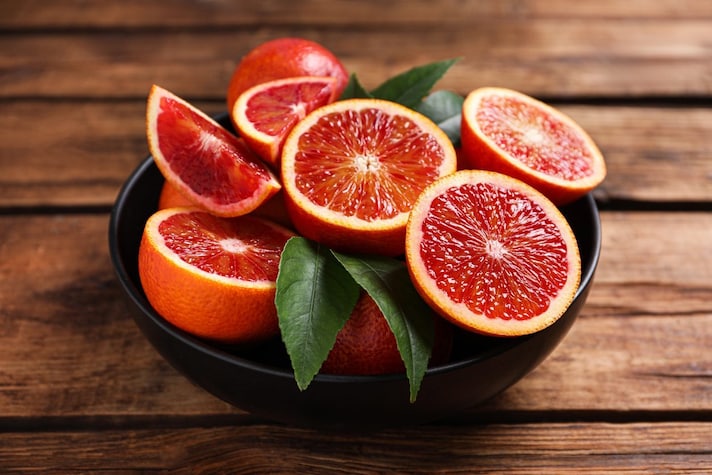
When we talk about vitamin C, our thoughts immediately turn to them, the fruit that symbolizes this precious micronutrient. Yet, despite its excellent content— 50 milligrams per 100 grams of edible product—it's certainly not the most important. This doesn't mean that its consumption, combined with other foods, isn't highly recommended and desirable.
To fully benefit from its countless beneficial properties, enjoy it natural and in its entirety; if you love juices , categorically avoid pre-packaged ones, even if they have no added sugars – as we have seen, vitamin C is extremely delicate and deteriorates upon contact with oxygen – and opt for a nice freshly squeezed orange juice.
To further increase its intake, add a few drops of orange (or mandarin) juice to a fennel salad, to a marinade in which to leave the flavor of fish fillets or to your side of sautéed Brussels sprouts: remember that the Cruciferous family is an equally good source of vitamin C. In addition to vitamin C, we also find a good amount of vitamin A, but also mineral salts such as potassium, phosphorus and iron.
4. Grape Juice
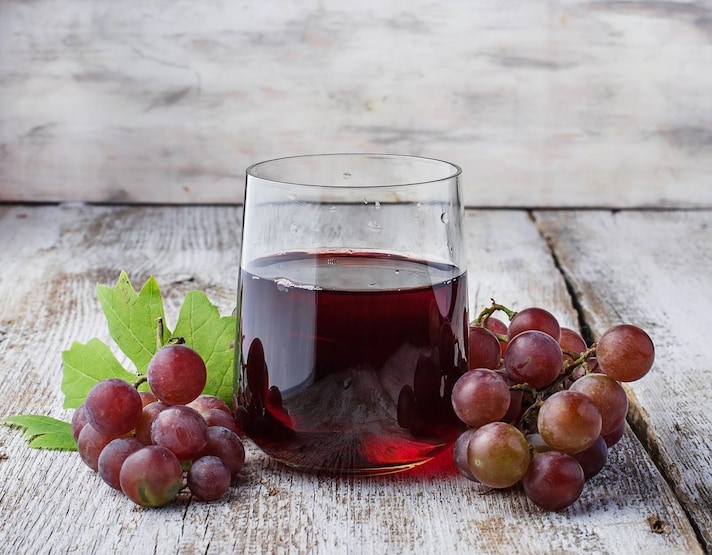
Sometimes viewed with suspicion due to their high sugar content, grapes are actually a true elixir of well-being: rich in mineral salts and vitamins, their skin contains a good dose of resveratrol, a plant-based molecule with powerful anti-inflammatory and anti-viral properties. A great beauty ally, they are able to counteract free radicals and the damage caused by cellular aging.
More than the fruit, however, it is in the juice that we find the highest concentration of ascorbic acid: a full 340 milligrams per 100 grams of product; provided that the juice is obtained at home with a centrifuge or, even better, with a juice extractor.
A glass of this natural beverage, consumed in the morning with a slice of toasted rye bread and a soft-boiled egg, can be a healthy, balanced, and nutritionally complete breakfast. Proteins and fats will also help regulate blood sugar levels, avoiding sudden spikes.
5. Currants
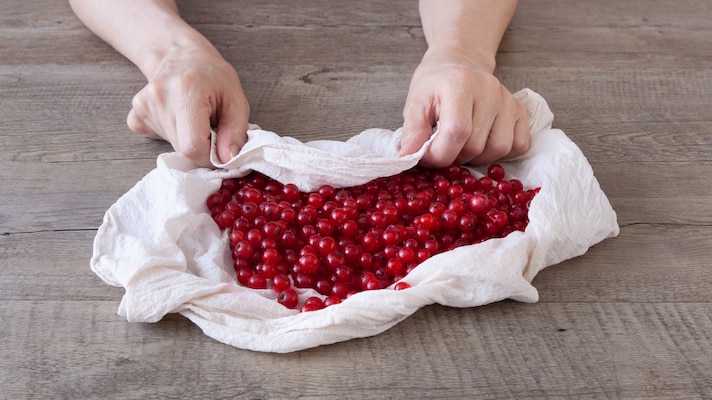
These small fruits, gathered in bunches, are sweet but with a slightly acidic aftertaste and are rich in beneficial properties: composed mainly of water, they are decidedly low in calories and sugar, making them ideal for breakfast or as a snack, together with a cup of plain yogurt and some walnuts, for a meal that can keep energy and blood sugar levels stable.
Powerful natural antioxidants, with an excellent mineral content, they are particularly surprising for their vitamin C content: a good 200 milligrams per 100 grams of their deliciously juicy pulp.
6. Peppers

The undisputed king of the summer season, sweet and irresistible, is also one of the vegetables richest in vitamin C: a whopping 167 milligrams per 100 grams of raw produce, especially for the yellow variety, which drops to around 120 milligrams when cooked (165 milligrams for the red variety). Therefore, in summer, we prefer to eat them raw, cut into thin strips and added to a salad with feta, tomatoes, and cucumbers or in fragrant couscous.
Composed primarily of water and low in calories, they are diuretic, purifying, and great allies for intestinal health. They also contain excellent amounts of mineral salts, such as potassium, phosphorus, and manganese, as well as beta-carotene, a carotenoid with powerful antioxidant properties.
7. Arugula
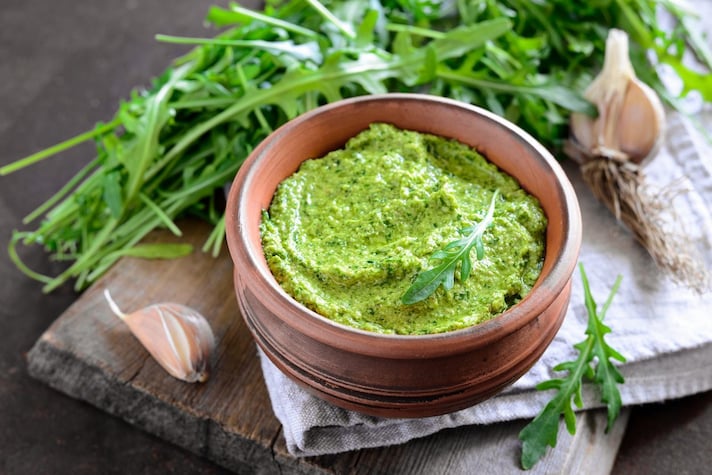
A heady aroma and pungent flavor make this annual herbaceous plant unique. It belongs to the large Cruciferae family, the same as cabbage and broccoli. More or less spicy, depending on whether it is wild or cultivated rocket, it is low in calories and rich in fiber, mineral salts and vitamins, particularly calcium, magnesium, potassium and, of course, vitamin C: 110 milligrams per 100 grams of product.
With a strong diuretic and detoxifying effect, this plant aids digestive processes, stimulates the secretion and flow of bile, protects the cardiovascular system and has a strong relaxing effect: in fact, it is also used to prepare herbal teas and infusions to promote sleep and relaxation.
To get the most out of it, eat it raw, with the addition of red datterini tomatoes, Taggiasca olives, and tuna fillets in oil; or make a quick sauce with almonds, cheese, and extra virgin olive oil, an alternative to the classic Genoese pesto, excellent for seasoning pasta or enriching croutons.
8. Broccoli & Co.
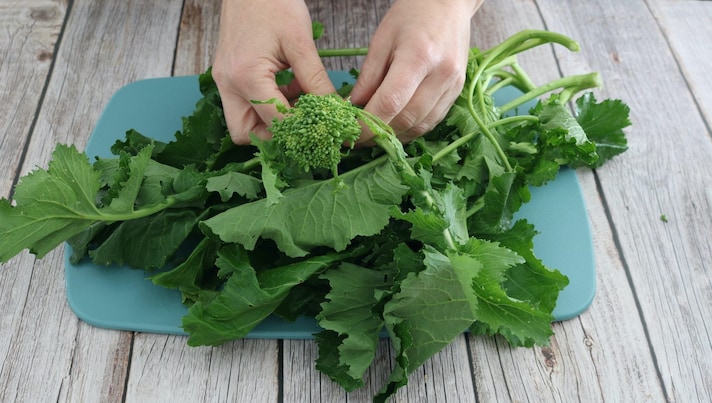
The stars of the winter garden, cauliflower, broccoli, cabbage, Savoy cabbage, and Brussels sprouts belong to the large Cruciferae family. Rich in plant fiber, water, and important mineral salts, they possess powerful antioxidant and protective properties, strengthen the immune system, and help us better cope with the first cold snaps and seasonal flu.
Broccoli, or turnip greens, also provide an excellent source of vitamin C, particularly in 100 grams of raw broccoli, which drops to 72 milligrams if boiled; broccoli contains approximately 77 milligrams, while cauliflower contains approximately 56 milligrams.
9. Spinach
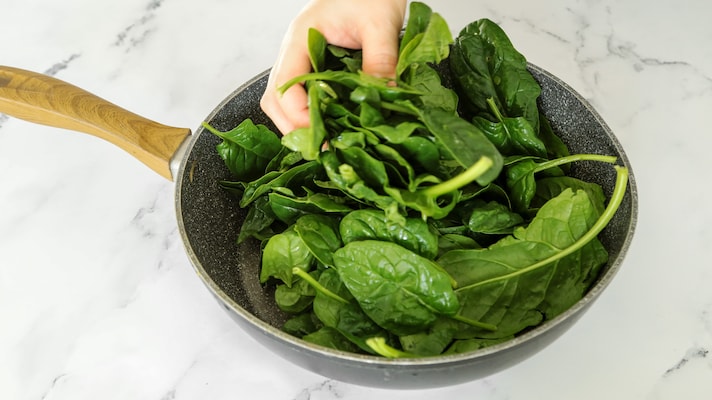
Mistakenly celebrated for its high iron content, thanks to Popeye the Sailor, spinach is a green leafy vegetable rich in potassium, antioxidants, and vitamin C: approximately 54 milligrams per 100 grams of raw product; if boiled, the amount drops dramatically because, in this case, the micronutrients are dispersed in the water.
Best sautéed quickly with a light sauté of oil and garlic, or eaten raw in a delicious salad, complemented with grilled fish fillets (or another protein source of your choice, always with a high biological value) and a few slices of toasted wholemeal bread.
Let's also remember to always add a few drops of lemon or orange juice to our spinach-based dishes: vitamin C, present in citrus fruits, promotes the intestinal absorption of iron, which is present in reasonable quantities anyway.
How to Preserve Vitamin C in Foods
As mentioned, vitamin C is delicate and thermolabile, and therefore tends to deteriorate at high temperatures. For this reason, it's important to implement some key strategies:
- we buy very fresh fruit and vegetables and try to consume them as quickly as possible, especially once washed and peeled;
- Storage is equally important: always place vegetables in the refrigerator and in the appropriate drawer at the bottom of the appliance;
- We prefer to eat them raw or, alternatively, opt for quick and gentle cooking methods, such as steaming, pan-frying, or baking, leaving the food al dente; however, we should avoid boiling them in abundant water.
;Resize,width=767;)
