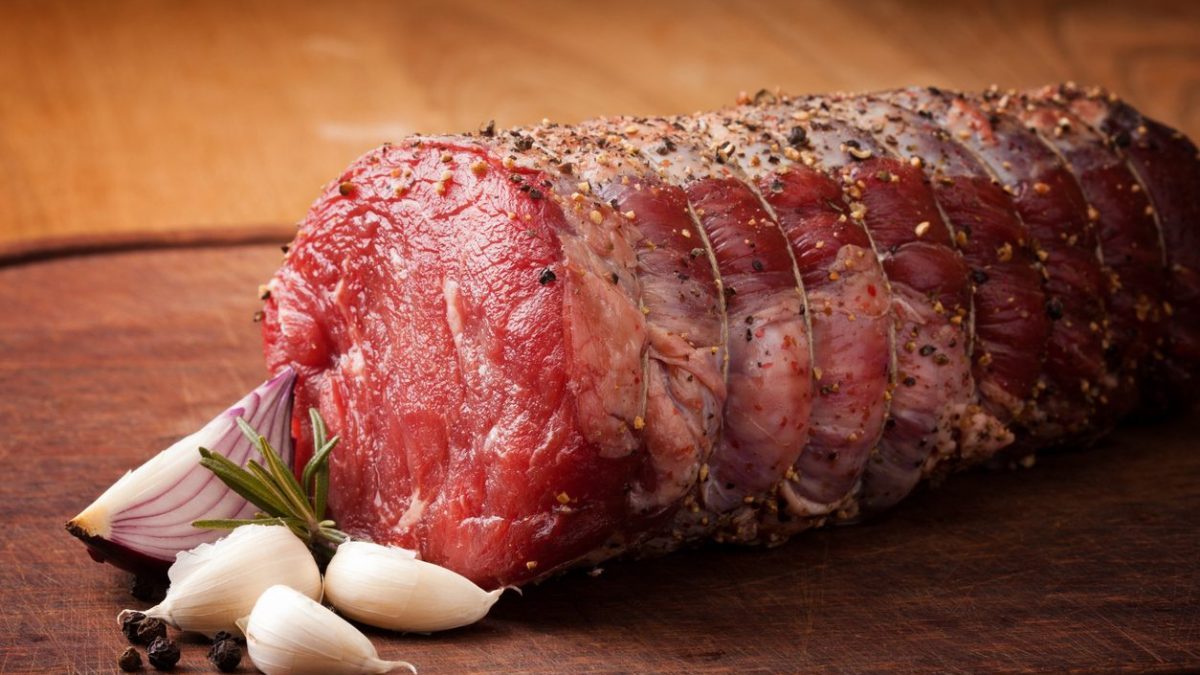
Among the great classics of American cuisine is undoubtedly the roast, a dish that immediately evokes Sunday lunches, convivial occasions, and main dishes that make a statement without necessarily being complex to prepare. It's a recipe that can be prepared with various types of meat, slowly cooked in the oven or in a casserole dish, and often enriched with herbs, wine, or broth, ingredients that contribute to a rich and flavorful cooking base.
To achieve a truly satisfying result, however, it's not enough to focus on timing, temperatures, and seasonings: choosing the right cut is essential. Roasting requires large, compact pieces of meat that retain their shape, tenderness, and juiciness during cooking. Generally speaking, cuts with regular grains and a moderate amount of fat are preferred, which helps prevent the meat from drying out. Depending on regional traditions and personal preferences, roasting can be prepared with beef, veal, pork, or white meats like chicken and turkey. Let's see what the best options are.
Why It's Important to Choose the Right Cut to Roast
When preparing a roast, choosing the right meat is crucial, as it's a recipe that requires a long cooking time, generally at a moderate temperature, and must yield tender, compact slices rich in flavor. If the cut is too lean, small, or irregular, you risk obtaining dry, stringy meat that's unpleasant to the palate. Conversely, a light marbling helps retain the juices and keep the meat tender even after prolonged cooking on the stove or in the oven.
Furthermore, a good roast requires a whole, even piece that doesn't fall apart and can be sliced easily once cooked. This is precisely why many cuts intended for this preparation are tied with kitchen string: this way, they maintain a regular shape, cook more evenly, and look neater when served.
Beef and Veal's Best Cuts for Roasting
Beef is one of the most popular meats for roasting, especially in classic American cuisine. Its bold flavor and firm texture lend themselves well to slow cooking, provided you choose fairly tender cuts with regular grain and a moderate amount of fat.
1. Rump

The rump is one of the most popular cuts for roast beef: it comes from the rear of the animal, just above the thigh, and is characterized by tender and fairly lean meat, yet still firm. This structure makes it ideal for cooking whole, as it holds its shape well and retains a good amount of juiciness. Once sliced, it yields even, tender, and flavorful slices.
2. Round

The round, also known as the topside, is taken from the beef thigh and is easily recognizable by its regular, elongated, cylindrical shape. It is a rather lean and delicate cut, particularly suitable for creating roasts with a neat and elegant appearance. However, due to its low fat content, it requires a little extra care: to prevent it from drying out during cooking, it is best served with a rich sauce or covered with pancetta or lard.
3. Hind Leg

The hind leg also comes from the beef thigh and is one of the most commonly used cuts for roasts, braises, and other meat dishes that require long cooking times. It has short fibers, a tender texture, and a fairly regular shape, qualities that allow for compact yet tender slices. It's a versatile cut, well suited to both baking and casserole cooking.
4. Shoulder Fesone

Among the cuts to consider for roasting is the shoulder, widely used in butchers for this type of preparation. It comes from the front of the cow and is prized for its compact structure, fairly lean but not excessively dry. It holds up well to cooking, remains uniform, and is often sold already tied, ready to be cooked in the oven or casserole.
5. Sirloin

The sirloin can also be used to prepare roasts, especially in the shorter or more rosy versions, such as roast beef. This cut comes from the sirloin of the cow, the same area that produces some of the most prized steaks, and is characterized by very tender meat and fine fibers. Precisely because of these qualities, it lends itself well to relatively quick cooking, which allows the meat to remain soft and juicy.
Compared to other, more structured cuts, however, the sirloin is rather lean and contains less connective tissue. For this reason, it's not always the ideal choice for roasts that require very long cooking times, where the meat risks losing some of its juices and becoming drier. To best showcase it, it's therefore best to opt for shorter cooking times and moderate temperatures, leaving the inside slightly pink, or serve it with a gravy or sauce that helps keep it tender.
Pork's Best Cuts for Roasting
Pork is perfect for preparing particularly flavorful and succulent roasts, thanks to the meat's natural fat content. This characteristic makes it particularly suitable for long cooking, as it helps keep the meat tender and flavorful, often resulting in more rustic but very satisfying results. Here are the pork cuts best suited for roasting.
1. Pork Roast

Pork roast and loin both come from the pork loin: the former is generally the bone-in cut, while the latter is the same boneless muscle, easier to handle and slice after cooking. Pork roast is one of the most classic cuts for roast pork and comes from the animal's loin. It is generally the bone-in part, taken from the loin, characterized by a firm texture and a moderate amount of fat that helps keep the meat tender during cooking. It is the traditional cut in many regional recipes, often flavored with garlic, rosemary, and aromatic herbs.
2. Loin

The loin, also called sirloin, comes from the same area as the pork roast, but is boneless. It has a regular shape and fairly lean meat, qualities that make it easy to cook whole and slice once ready. Because of its low fat content, it's best to cook it in a gravy or serve it with sauces and gravies to preserve its tenderness.
3. Cup

Pork cup comes from the upper part of the neck and is characterized by good marbling, i.e., the presence of fat throughout the meat. This characteristic makes it particularly flavorful and tender even after prolonged cooking, making it an ideal choice for more rustic roasts, rich in flavor and soft in texture.
Chicken and Turkey's Best Cuts for Roasting
White meats like chicken and turkey can be used to prepare lighter, more delicate roasts, which are especially popular in everyday cooking. They have a milder flavor than beef and pork and are generally leaner. Precisely because of this leanness, they aren't always the best choice for traditional roasts: if cooked slowly, they can dry out more easily than beef, veal, or pork. For this reason, it's best to cook them in a pan juices or protect them with bacon or other fats.
1. Turkey and Chicken Breast

Turkey breast is one of the most popular cuts of white meat for roasting: it's large, firm, and fairly lean, making it ideal for cooking whole and then slicing. Because it contains little fat, it's often tied, wrapped in pancetta, or cooked in broth, wine, and herbs to prevent the meat from drying out excessively.
Chicken breast can also be used to prepare small roasts, especially in the simplest and quickest versions. It's the leanest part of the animal, with a delicate flavor and tender texture, but for this very reason it tends to dry out easily if cooked too long. To showcase it best, it's helpful to serve it with a flavorful cooking sauce or sauces that preserve its tenderness.
2. Boneless Chicken or Turkey Thighs
A good alternative is boneless chicken or turkey thighs, which contain more fat than breasts. This makes them more flavorful and less likely to dry out during cooking, making them particularly suitable for rustic roasts, rolls, or stuffed dishes.
The Ideal Cut's Characteristics
Regardless of the type of meat you choose, the perfect cut for roasting must have some very specific characteristics.
- First of all, it must be compact and of an adequate size to be cooked whole, so that it maintains a regular shape and can be sliced easily.
- It is also preferable for it to have light marbling, that is, small infiltrations of fat inside the meat: during cooking, in fact, this fat helps keep it soft, juicy and richer in flavor.
- The evenness of the grain is also important: cuts with fibers that are too long, too thin, or rich in connective tissue may be less suitable, as they tend to dry out or have a less pleasant texture once sliced. In many cases, the piece is tied with kitchen string to help it maintain a uniform shape and promote even cooking.
;Resize,width=767;)
