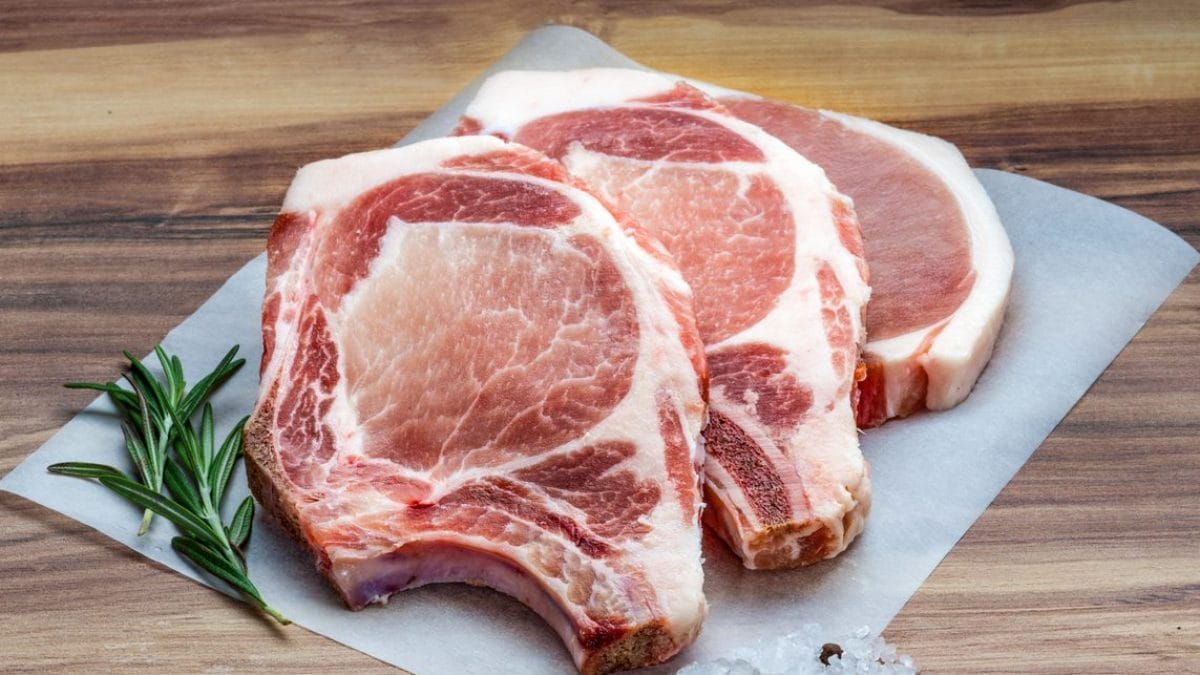
Pork steaks are a classic home cooking dish: easy to prepare, versatile, and suitable for both pan-frying and grilling. Unlike pan-fried steaks, they're thicker and require a little extra care to keep them tender and juicy. For this very reason, choosing the right cut is crucial: some parts of the pork lend themselves better to this type of cooking because they retain moisture and flavor even after slightly longer cooking times. Starting with the right cut is the first step to avoiding dry meat.
Among the most commonly prepared main dishes in everyday cooking, pork steaks are a hit precisely because they're simple yet satisfying. However, they can vary greatly depending on the type of meat: a well-chosen steak remains tender and flavorful, while the wrong cut risks being tough and unpleasant.
Why Choosing The Right Cut Is Important
Pork is a tasty meat, but it's also easy to get wrong: if it's too lean or overcooked, it tends to dry out. For this reason, it's best to opt for cuts with light marbling, meaning small infiltrations of fat that melt during cooking, keeping the meat more tender.
Thickness also matters: a steak that's too thin cooks quickly but dries out quickly. A thickness between 1.5 and 2.5 cm is ideal for a well-browned exterior and a juicy interior.
Bone-In or Boneless?
Pork steaks are made from thicker, more consistent cuts than sliced pork and therefore require meat that maintains its tenderness and juiciness even with slightly longer cooking times.
When choosing pork steaks, it's helpful to distinguish between bone-in and boneless cuts: bone-in cuts, such as chops, tend to be more flavorful and slightly juicier because the bone helps retain juices during cooking. Boneless cuts, on the other hand, are more practical and quicker to handle, but require a little more care to prevent the meat from drying out, especially if it's very lean.
1. Loin (or Sirloin)

This is the most common cut for steaks and comes from the pork loin, the dorsal part of the animal, along the back. This is an area that is rarely used, resulting in fairly tender yet lean meat, with a firm, even texture. It works well both in the pan and on the grill, but it must be cooked carefully: precisely because it contains little fat, just a few minutes more are enough to dry it out. It's a practical and popular choice, especially for everyday use.
2. Capocollo

The capocollo (or coppa) comes from the front part of the pig, between the neck and the beginning of the loin. It's a more commonly used muscle than the back, but it's rich in fatty veins, making it particularly flavorful. This takes the flavor to the next level: the marbling dissolves during cooking, keeping the meat tender and juicy. It's perfect for grilling and has the advantage of being more forgiving: even if you cook it a little longer, it rarely dries out.
3. Chops

Chops are steaks —among the most classic and recognizable—taken from the bone-in loin, therefore from the same area as the loin but leaving the rib attached. The bone isn't just for aesthetics: during cooking, it helps retain the juices and intensify the flavor. This cut offers a good balance between lean meat and a light presence of fat, making it ideal for those looking for a simple yet reliable steak, whether pan-fried or grilled.
4. Tenderloin

The tenderloin is found in the inner part of the loin, along the abdominal cavity, and is one of the least stressed muscles of the animal: for this very reason, it is the most tender cut of all. It has very fine fibers and a very delicate texture, but it is also extremely lean: therefore, it requires quick and precise cooking to avoid losing its juiciness. It is perfect for those seeking a more refined steak, perhaps enhanced with a marinade or a light sauce.
Tips for Choosing and Cooking Pork Steaks
Choosing quality meat for your steaks is simple, just pay attention to a few details:
- First, look at the appearance: it should be light pink, uniform, and finely grained. A little fat is a plus, not a minus, because it melts during cooking, helping to keep the steak tender and flavorful. Avoid cuts that are too lean or have a lot of sinew, which tend to be tougher.
- Thickness is also important: too thin and it dries out quickly, too thick and it becomes difficult to handle. The best thing to do is stick to a medium thickness, between about 1.5 and 2.5 cm, which is the best choice for achieving a good browning on the outside without losing succulence on the inside.
Before cooking, take it out of the refrigerator for about twenty minutes: this helps it cook more evenly and prevents the inside from remaining too cold compared to the outside. If the surface is moist, pat it dry with paper towels: this is a simple but essential step to encourage the crust to form. If the cut is very lean, a quick marinade with extra virgin olive oil, aromatic herbs (such as rosemary, sage, or thyme), and an acidic component like lemon or vinegar can make all the difference, helping to tenderize the fibers and enhance flavor.

As for seasoning, it's best to salt the pork steak at least 40-50 minutes before cooking. Alternatively, you can do it immediately afterward, although the salt will penetrate less deeply. However, avoid adding salt during cooking. Pepper and herbs can be added either during cooking or at the end.
Cooking times vary depending on the thickness and cut, but in general it's best not to overcook: pork, especially good quality pork, can remain slightly pink inside without any problems, resulting in a softer and juicier pork.
Finally, let the steak rest for a couple of minutes before serving: it may seem like a small detail, but it allows the juices to redistribute within the meat, preventing them from spilling out immediately when cut and improving the final texture.
;Resize,width=767;)
