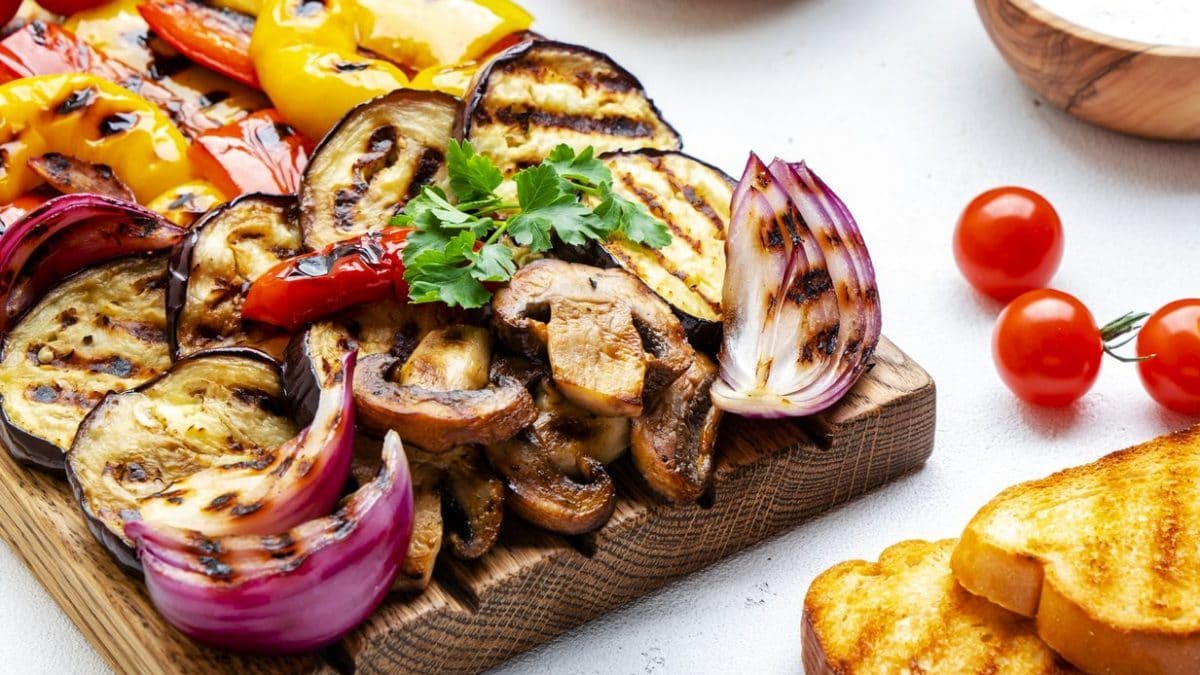
Whether with family or friends, on the balcony, in the garden, or in a park, not a single season goes by without organizing at least one outdoor barbecue: it's the perfect way to enjoy the long, sunny days of spring and summer, to eat good food, and to enjoy company. When we think of grilling, meat comes naturally to mind; sometimes, fish also comes to mind, but vegetables rarely come to mind, unless you're a particular fan. However, grilled vegetables take on a truly special flavor, just like meat and fish, and this type of cooking manages to bring out all the aromas in vegetables, making them perfect side dishes or delicious condiments to add, for example, to slices of bread also warmed on the grill. They're also the perfect solution if you have guests who don't eat meat and want to prepare a vegan barbecue for them. Not all vegetables are suitable for grilling, and even the best ones require special care in preparation to avoid ruining them and preserve their flavor and texture. Here are the best vegetables for grilling and how to prepare them to perfection.
What Types of Vegetables Are Suitable for Grilling?
When it comes to grilling vegetables, the choice of ingredients is far from secondary: not all vegetables react the same way to the intense, direct heat of the embers or griddle. The most suitable vegetables for this type of cooking are those with good structural consistency, capable of retaining their shape even after exposure to high temperatures without falling apart or becoming soft. Vegetables such as zucchini, eggplant, peppers, or onions have fairly compact tissues and resistant fibers, which allow for even cooking and a pleasant final texture.
Another determining factor is water content: vegetables with too much liquid tend to release it quickly during cooking, resulting in them boiling rather than grilling, with the risk of losing flavor and developing a watery consistency. Conversely, a balance between water and dry matter allows for that characteristic slightly caramelized and aromatic surface, the result of the Maillard reaction, which makes grilled vegetables so popular. The ideal vegetables for grilling, therefore, must be fresh, ripe but still firm, with firm flesh and a low water content to avoid wilting during cooking.
Given all this, it's possible to identify several vegetables that lend themselves particularly well to grilling, both among the more common ones and among less conventional but equally interesting options. Among the most typical are:
1. Zucchini, Eggplants, Peppers and Onions

Vegetables like zucchini, eggplant, peppers, and onions are popular for grilling because they have a compact structure and a good balance of water and fiber. This allows them to easily develop a golden, slightly crispy surface while maintaining a soft, flavorful interior. They're also easy to prepare and don't require any special techniques, making them ideal even for those with little grilling experience.
2. Potatoes

They're a classic thanks to their ability to transform completely with heat. The grill creates a crispy, charred exterior, while the interior remains soft and almost buttery. Furthermore, direct heat imparts a subtle smoky aroma that enhances the natural flavor without the need for excessive fat.
3. Fennel, Belgian Endive and Radicchio

Alongside the great classics, there are some lesser-used vegetables that are highly suited to the grill: for example, fennel, radicchio, or Belgian endive. These vegetables develop more complex aromas when grilled than when eaten raw; the heat also reduces the bitterness and brings out sweeter , caramelized notes, making them particularly interesting from a flavor perspective.
4. Cauliflower and Broccoli

When cut correctly, cauliflower and broccoli hold up well to direct cooking and acquire a pleasantly firm texture. Cauliflower, in particular, can be prepared "steak-style," marinated in oil and spices before cooking, or baked whole in foil, developing intense and enveloping flavors.
5. Carrots

Often overlooked, they produce surprising results on the grill: thanks to their natural sugar content, they tend to caramelize on the surface, developing a more pronounced sweetness and a light toasted note. It's best to cut them in half lengthwise or into sticks and, if necessary, blanch them briefly before cooking to soften them, resulting in a tender interior and a golden exterior.
6. Pumpkin and Hardy Lettuce (Such as Romain)

Pumpkin is ideal for grilling thanks to its sweet, firm flesh, which caramelizes easily with heat, developing a golden, flavorful surface. The inside remains soft and velvety, creating a pleasant contrast with the lightly toasted exterior. Seasoned simply with oil, salt, and herbs, it expresses its natural flavor with delicate smoky notes. Some varieties can also be roasted directly in their skin.
7. Asparagus

Asparagus is particularly suited to grilling due to its quick cooking times and ability to maintain a firm texture. Direct heat enhances its natural flavor, concentrating its aromas: the result is a tasty yet balanced product that retains a sensation of freshness.
8. Mushrooms (Especially Portobellos)

Not all varieties are suitable, but portobello mushrooms, being less watery and meatier, stand up to heat very well. They can be grilled whole and are also an excellent vegetarian alternative to more substantial dishes. Besides portobello mushrooms, oyster mushrooms are also particularly suitable for grilling, thanks to their compact, fibrous structure that holds up well to cooking, as are button mushrooms. Among the most aromatic varieties, cardoncelli mushrooms are highly prized for their meatiness and flavor, ideal for a more intense and structured grilled result.
9. Tomatoes

Choosing varieties with firm, slightly watery flesh —such as beefsteak, ribbed, and copper-colored —achieves a balanced result. They should be ripe but firm, cut in half or thickly sliced, and seasoned with oil, garlic, and aromatic herbs; grilling concentrates the flavor, making it more intense.
10. Corn on The Cob

A true symbol of American barbecue, especially in the American tradition. The grill enhances the natural sweetness of the corn and creates a light surface toasting; they are often served with butter, salt, and pepper, but they also lend themselves to more elaborate seasonings.
How to Prepare Vegetables Before Grilling Them
Preparing vegetables before grilling is crucial to achieving a balanced and flavorful result, and involves two key aspects: cutting and marinating. Let's start with the cut, which can't be the same for all vegetables but must be adapted to their shape and texture. Generally speaking, however, the slices shouldn't be too thin, as they risk burning or falling apart, but they shouldn't be excessively thick either, as this could result in uneven cooking. Conversely, a medium thickness that's as uniform as possible promotes even cooking and allows the vegetables to develop a well-browned surface without compromising their internal tenderness.
The specific type of cut varies from one vegetable to another, depending on its shape: for eggplants, a round cut is ideal, for zucchini it is preferable to cut them into vertical slices, for rounder vegetables like onions, tomatoes or fennel, it is better to opt for a cut into wedges or sections, so that they maintain their structure. Finally, more substantial vegetables like peppers should be cut into quarters or halves, removing the seeds and internal ribs, and then into strips.

Marinating, on the other hand, isn't always essential but can make a difference: a dressing made with extra virgin olive oil, aromatic herbs, spices, and an acidic component (such as lemon juice or vinegar) helps not only flavor but also protects the surface from direct heat, limiting dehydration and promoting better caramelization. The timing must be calibrated: after brushing each individual slice with the mixture you prepared, 15–30 minutes is enough for tender vegetables, while firmer vegetables may benefit from slightly longer marinating. Always remember not to overdo it, as leaving it in for too long risks altering the consistency, especially when using acidic ingredients.
Mistakes to Avoid for Perfect Grilled Vegetables
Grilling vegetables isn't difficult, but it's important to take a few extra precautions beyond cutting and marinating them to avoid common mistakes that can compromise their flavor and texture. One of the most common mistakes is using the wrong temperature: a grill that's too cold prevents proper browning and promotes the loss of juices, while excessive heat risks burning the outside, leaving the inside raw. Another fundamental rule is to never overcrowd the grill with too many slices at once. Packing the grill might seem like it saves time, but it's actually counterproductive, as it reduces heat circulation and leads to uneven cooking, more like braising than grilling.

Turning vegetables occasionally during cooking is important to ensure they cook on both sides, but remember not to turn them too often: it's best to let them cook long enough for the characteristic crust to form before turning, allowing the flavors and texture to develop to their full potential. Another important point, still a common mistake, is adding salt to vegetables before cooking, a mistake that can ruin the entire grilled dish. Salt is only added at the end of cooking to prevent the high temperatures from extracting water through osmosis, making the vegetables soft, watery, and less crunchy.
;Resize,width=767;)
