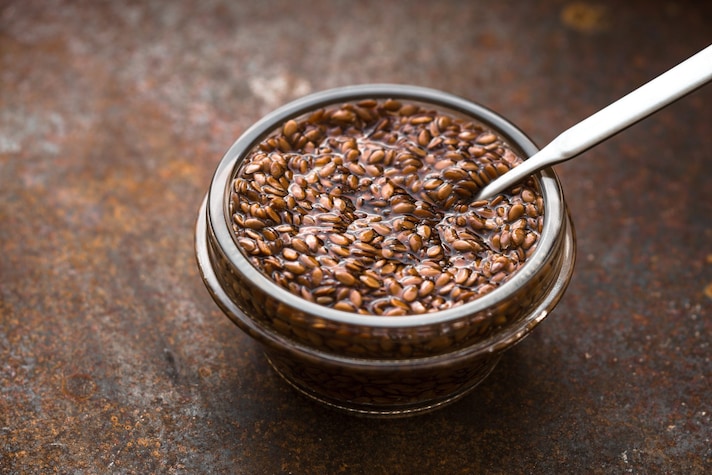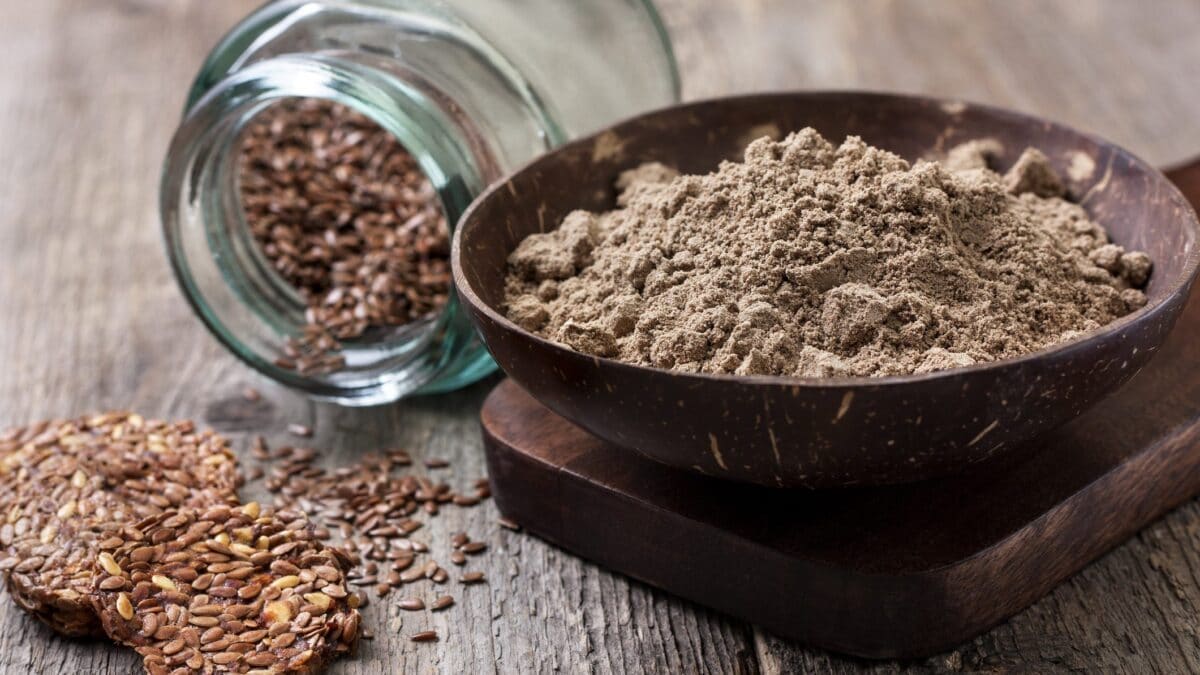
Often overlooked and dismissed as a simple decorative addition to bread or salads, flaxseeds are actually a veritable powerhouse of health. These small brown seeds, with a delicate flavor slightly reminiscent of toasted hazelnuts, conceal an extraordinary nutritional profile: rich in omega-3 fatty acids, fiber, protein, and minerals, their regular consumption is a true all-round blessing for our bodies. However, there's a crucial detail that many people overlook: consuming them incorrectly negates almost all of these incredible benefits.
What Are The Real Health Benefits?
Flaxseeds offer benefits that go far beyond simply providing fiber for daily well-being. Incorporating these seeds into your diet means offering concrete support to the entire body, thanks to a series of marked protective properties for the cardiovascular and metabolic systems. Several studies also demonstrate that their regular intake plays a key role in reducing blood pressure , while also helping to regulate the intestine and counteract inflammatory processes linked to oxidative stress.
Why Grinding Flax Seeds is The Real Secret to Assimilating Them
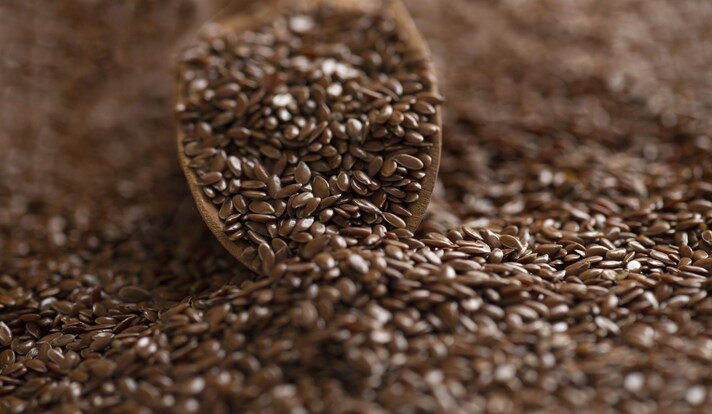
When we add a handful of whole flaxseeds to yogurt or soup, we're doing our intestinal transit a favor with the fiber, but we're wasting much of their nutritional potential. The reason is simple but crucial: our digestive system can't even scratch the tough outer shell that surrounds them. When consumed whole, the seeds pass through the gastrointestinal tract completely intact, preventing the body from absorbing the valuable omega-3s, lignans, and other protective compounds.
To truly absorb their nutrients, there's only one solution: grind them. A specific clinical study on bioavailability confirmed that crushing the seeds increases the absorption of their valuable antioxidants by 28% to 43% compared to consuming the whole seed. Confirming this, a recent clinical review clarified that a regular supplement of at least 30 grams per day (about two heaping tablespoons) of ground seeds can significantly improve the cardiometabolic profile, helping to regulate the intestines, reduce levels of systemic inflammation, improve glycemic control, and have a positive effect on blood pressure.
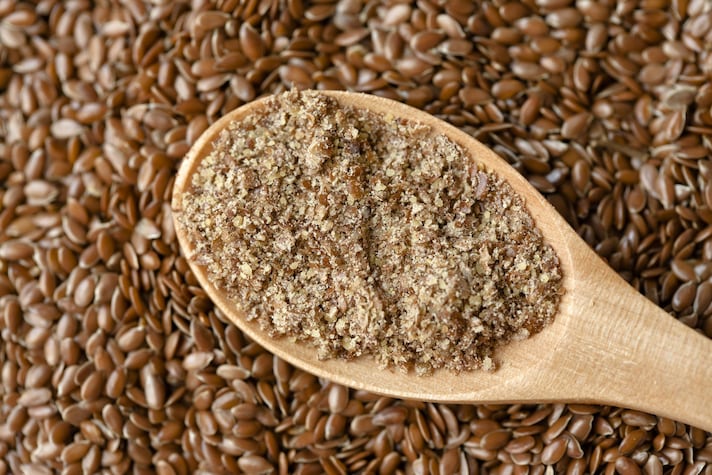
A coffee grinder, a small blender, or a traditional mortar and pestle are perfect for grinding them into a powder on the spot, or you can buy them pre-ground at the supermarket. Be careful, however, with storage: once ground, natural oils tend to go rancid quickly. It's best to always store them in an airtight container in the refrigerator or freezer, where they'll stay fresh for weeks.
How to Use Them in The Kitchen Everyday
Ground flaxseeds are incredibly versatile and easy to use in the kitchen: the ideal dose recommended by nutritionists to reap their benefits is about one to two tablespoons a day. Consistency is key: such a rich ingredient only makes a difference if it becomes a daily habit, rather than an occasional addition. The quickest way to enjoy them is to mix them into smoothies, pancake batter, or hot porridge, or sprinkle them on toast with a light layer of jam or peanut butter. They're also perfect for enriching yogurt or adding texture to vinaigrettes used to dress salads.
The real magic, however, comes in baking and vegan recipes, where flaxseeds become an excellent and natural egg substitute. Simply mix a tablespoon of ground seeds with three tablespoons of water (creating a so-called flax egg): after letting it sit for a few minutes, it will become gelatinous and will bind cake and cookie dough perfectly. You can try using flaxseed meal in place of breadcrumbs to coat chicken or fish fillets before baking for a tasty, crunchy, and incredibly healthy crust.