
For years, we've been searching for a way to make gluten-free bread that closely resembles traditional wheat bread. Today, surprising news arrives that's set to change the gluten-free world: a group of Italian researchers has succeeded in creating the first wheat bread classified as "gluten-free," opening up a world that until recently seemed virtually impossible. But how was it possible?
The Research
It almost seems like a paradox, but gluten-free wheat bread is now a reality: the result comes from the laboratories of the Institute of Food Sciences (ISA) of the National Research Council (CNR) in Avellino in collaboration with the Catholic University of the Sacred Heart in Piacenza. According to the study published in Food Frontiers, the researchers have developed a prototype wheat bread with a gluten content of less than 20 parts per million, that is, within the threshold required by international regulations to define a food as "gluten-free."
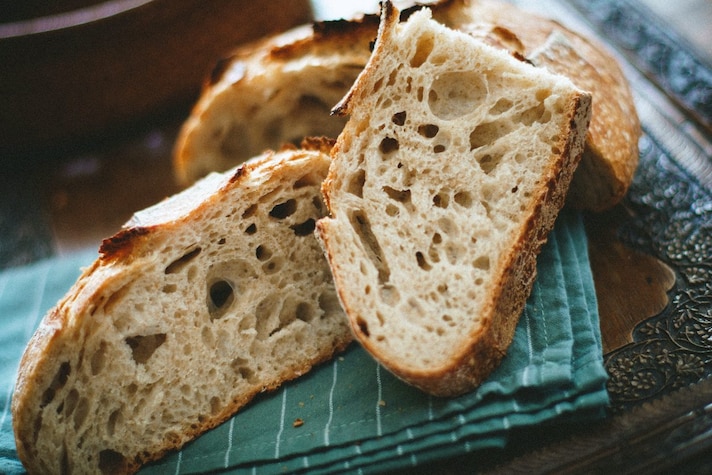
This innovation isn't based on replacing wheat with alternative grains like rice or corn, but on a biochemical process that acts directly on wheat proteins. The core of the work lies in the use of microbial transglutaminase, a food enzyme that detoxifies gluten, making it "invisible" to the immune system of celiac patients, thereby reducing its ability to activate an immune response. Essentially, wheat contains certain protein sequences that trigger an autoimmune reaction in people with celiac disease: detoxifying gluten means modifying, transforming, or neutralizing these sequences so that they don't cause any discomfort to those who consume them. Through this treatment, the gluten content is reduced to such a degree that the product may also be suitable for people with celiac disease, while respecting the limits established for gluten-free foods.
An Important Development Also for Consistency and Nutritional Values
Until now, baked goods for celiacs have been made using alternative flours such as corn or rice flour. This often results in differences compared to wheat-based products, especially in the organoleptic profile and texture, which can be rubbery or crumbly. The new process, however, allows for the selective recovery of the treated gluten and recombining it with wheat starch, resulting in a flour capable of maintaining elasticity, a fragrant crust, and a soft crumb.
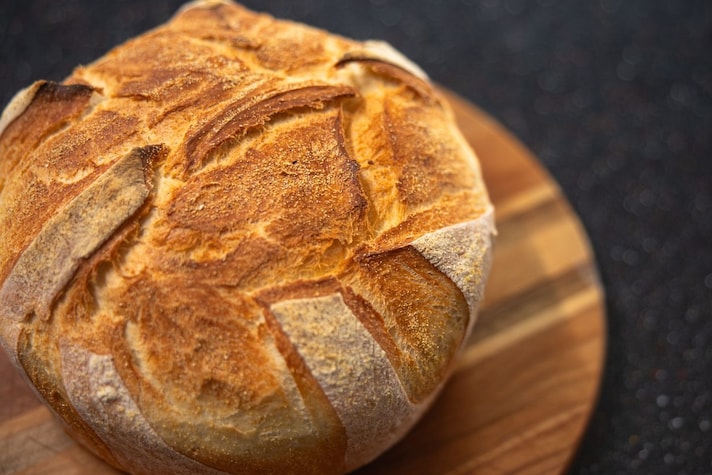
In addition to the sensory aspect, the study also highlights a nutritional improvement compared to traditional gluten-free products, which are often rich in refined starches and thickeners. This represents a true breakthrough in the gluten-free world, as Mauro Rossi of the CNR-ISA, who coordinated the research team, also states: "The bread we created represents the first example in the world in the gluten-free sector, intended primarily for people with gluten intolerance, celiac disease, and gluten sensitivity. Products currently classified as gluten-free are made exclusively with flours that are naturally gluten-free, and therefore very different from wheat in terms of organoleptic and technological properties. Our product, therefore, opens up a completely innovative scenario in the gluten-free sector, a constantly growing global market and, more importantly, in line with the expectations of intolerant individuals."
;Resize,width=767;)
