As part of a healthy and balanced diet, fruit is an indispensable source of vitamins, fiber, and antioxidants. However, the question often arises as to whether it is better to consume it with or without the peel. The answer is not clear-cut, as it depends on several factors: the type of fruit, the presence of pesticides, individual tolerance, and storage methods. While the peel can be a powerhouse of nutrients, it can also be a vehicle for unwanted substances. Let's take a closer look at when it's advisable to eat the peel and when it's best to avoid it.
The Fruits You Should Eat With the Peel
Many fruits have peels rich in fiber, vitamins, flavonoids, and other antioxidants. Apples, for example, contain a good portion of their total fiber (especially pectin) in the skin, along with vitamin C and quercetin, a powerful antioxidant. The same is true for pears, where the skin provides a significant supply of phytonutrients beneficial for the heart and digestive system.
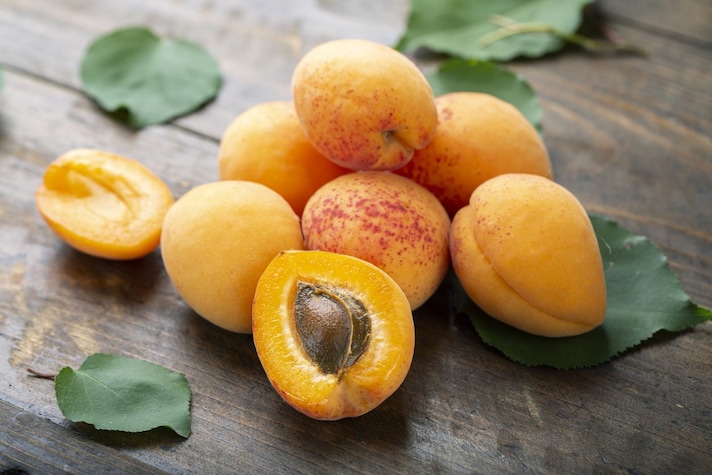
Plums, peaches, and apricots are also well-suited to being eaten with the peel: in these cases, the outer part contains plant pigments (such as carotenoids and anthocyanins) that protect cells from oxidative stress and help strengthen the immune system.
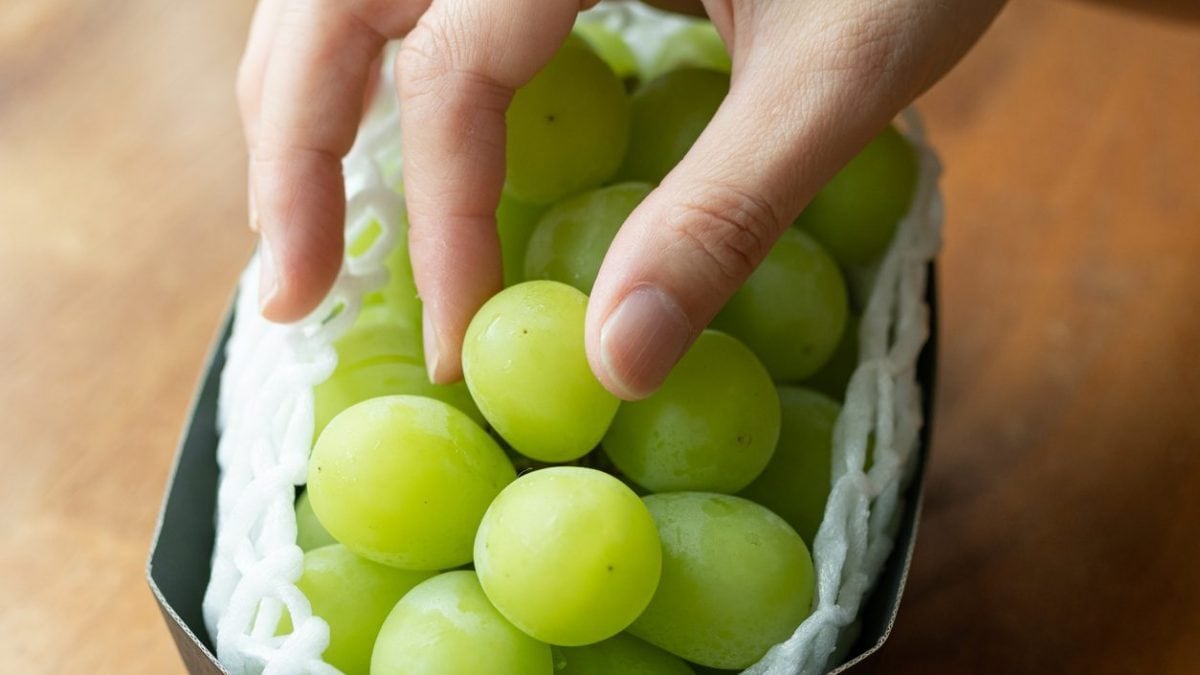
Among summer fruits, grapes are a prime example: their skin, especially the darker ones, is extremely rich in resveratrol, a compound that has demonstrated potential protective effects against cellular aging and cardiovascular disease.
A similar argument applies to more exotic fruits like figs and medlars, which can be eaten whole as long as they're well washed. In general, organic fruits or those grown without systemic pesticides are best eaten with their skins on.
The Fruits You Should Peel, Instead
Not all peels are healthy or enjoyable to eat: some are particularly tough, fibrous, or difficult to digest. This is the case, for example, with citrus fruits: the peels of oranges, lemons, and grapefruits contain essential oils that can irritate the digestive system if ingested in large quantities. Although the peels are rich in flavonoids and used in cooking (grated or candied), they are not intended for direct consumption.
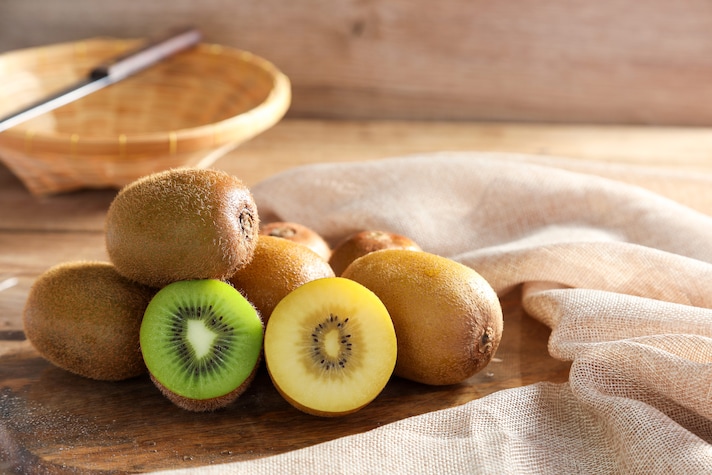
Bananas, kiwis, and avocados have peels that are not commonly edible due to their texture and flavor. In theory, kiwi peel (especially smooth-skinned varieties) is edible, but many find its fuzzy texture unpleasant. Avocado peel, on the other hand, is tough and indigestible.
Particular attention should be paid to fruits that are among the most frequently treated with pesticides: according to several international reports (such as the EWG's Dirty Dozen), strawberries, non-organic apples, peaches, and grapes tend to accumulate chemical residues on their surfaces. In these cases, if you don't have access to organic produce or can't wash them thoroughly, it's wise to peel them.
Finally, some peels may cause discomfort for those with sensitive guts or irritable bowel syndrome (IBS), as they may contain irritating FODMAPs or insoluble fiber.
Tips for Peels' Safe Consumption
For those who want to enjoy the benefits of peel without risk, it's essential to wash fruit thoroughly. Running water, baking soda, or specific solutions can help remove most surface pesticides. Even a light brushing is helpful for apples, pears, and plums. Avoid using dish soap or non-food detergents.
When possible, choosing organic or locally sourced fruit can significantly reduce exposure to chemical residues: remember, however, that even organic fruit must be washed, because it can be contaminated by dust, bacteria or natural molds.
For small children, the elderly or those with digestive problems, it may be advisable to peel fruit even if it is well washed, at least during the phases in which the digestive system is most sensitive.
;Resize,width=767;)
