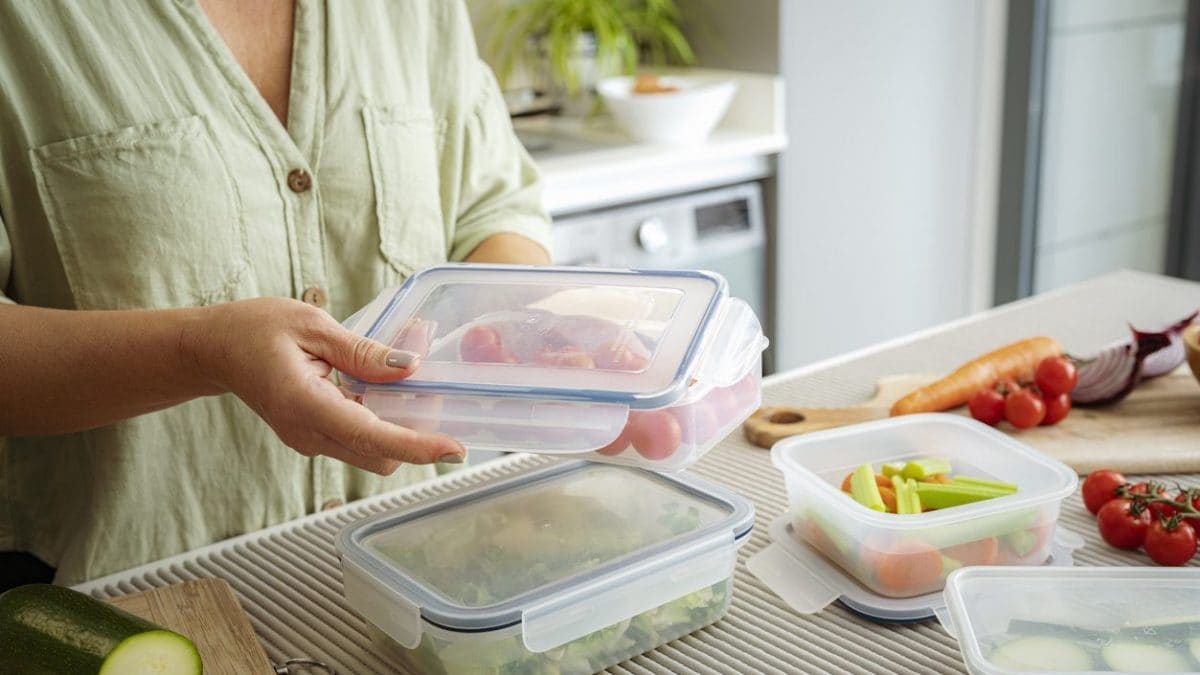
In a world increasingly embracing anti-waste policies, you too can do your part in your daily life: one of the best ways is to avoid wasting food by setting it aside to consume within a few days or even freezing it to extend its shelf life. But is it okay to use just any type of container? These days, food containers come in every shape, size, and color, not only for storing food but also for carrying lunch to the office or a snack to school.
Glass, plastic, and steel are undoubtedly the most commonly used and suitable for preserving food and leftovers, but as you can easily imagine, there are many differences, and each container has its own characteristics. While glass is preferable for long-term storage , plastic wins for convenience and lightness, while steel is guaranteed to preserve food's organoleptic properties, but it is heavier and more expensive. Therefore, there is no single best container: each material has its advantages and disadvantages, and there are also some specific types of products that are best avoided altogether. How do you choose the safest container? And what should you do about the much-discussed aluminum? Let's find out together.
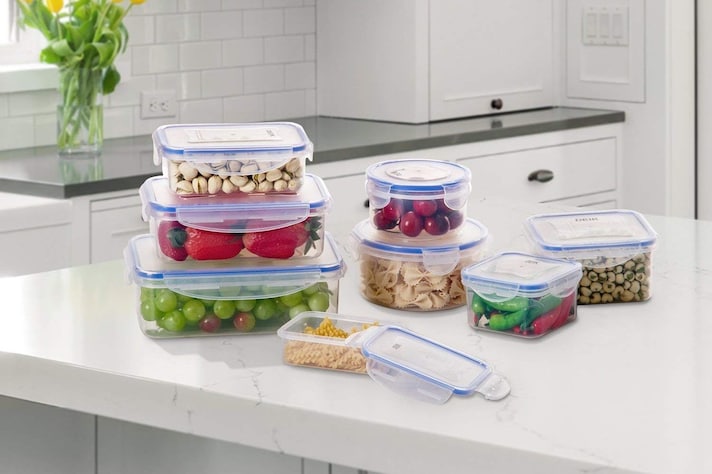
Glass, plastic, steel, and aluminum are the most commonly used materials for food containers, and they can all be used safely, as long as they're used correctly. Not all materials are suitable for every type of storage, and one is more suitable than another depending on the food, the cooking method, the time, and the storage method. Using a container safely, therefore, doesn't mean excluding it altogether, but rather being aware of the pros and cons of each product. Let's take a detailed look at the differences and characteristics of each material.
1. Glass
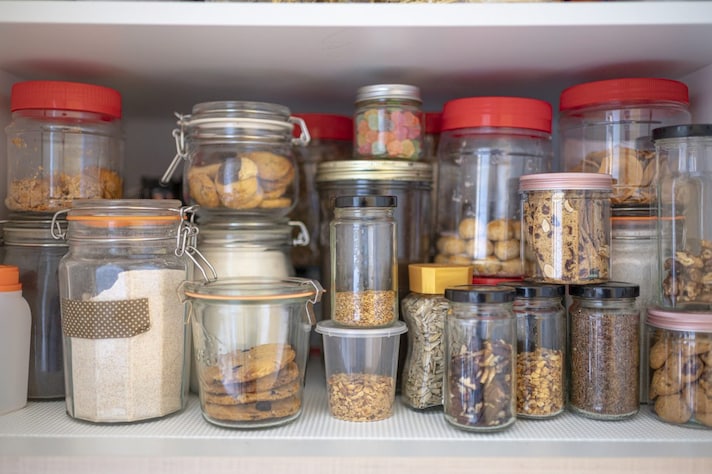
Glass is considered the safest material for storing food, and for good reason: solid and resistant, it allows the organoleptic properties of food to be preserved intact and unaltered because it does not release any toxic substances. This is because, precisely because of its composition, it has a non-porous surface that does not absorb or allow germs and bacteria to pass through; therefore, you can store practically anything in it: sauces, gravies, raw or cooked foods, flour, pasta and rice, liquid products like oil, and so on.
Glass is also widely used for its ability to withstand very high temperatures (it can therefore be easily washed in the dishwasher without risk of warping) and very low temperatures (excellent for freezer storage), although it's best to avoid hot-cold or hot-cold thermal shocks because it is sensitive to them. Glass is also the most eco-friendly material on the market because it can be reused endlessly and is 100% recyclable. The only real drawback of glass is that it's less lightweight than other materials, making it a bit awkward to carry if you need to take lunch out of the house. For the home, however, it's absolutely perfect and extremely safe, so we recommend choosing it over any other type of container. If you choose particularly attractive containers and jars, they also make excellent decorative accessories on kitchen shelves.
2. Steel
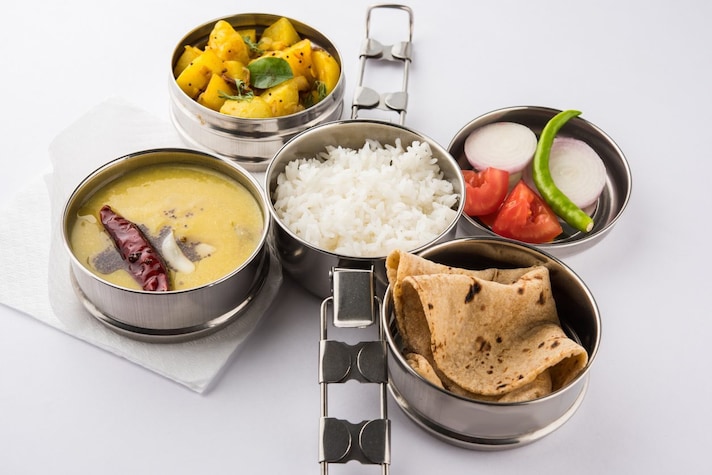
Steel, in terms of convenience and safety, is very similar to glass: it is an incredibly durable material, infinitely reusable and recyclable—in this case, almost 99% recyclable. It is non-porous, making it suitable for storing and transporting all types of food and ingredients, hot or cold, raw or cooked. Steel containers are easy to wash, can withstand very high or very low temperatures, maintain the organoleptic properties of foods completely intact, and also protect them from the potentially harmful effects of light. The only drawback is that, in some cases, they are not particularly lightweight and easy to transport, and are often the most expensive on the market; however, if you buy a few of them, but of excellent quality, they will certainly last a long time, allowing you to amortize the expense and have a valid alternative to glass.
3. Plastic
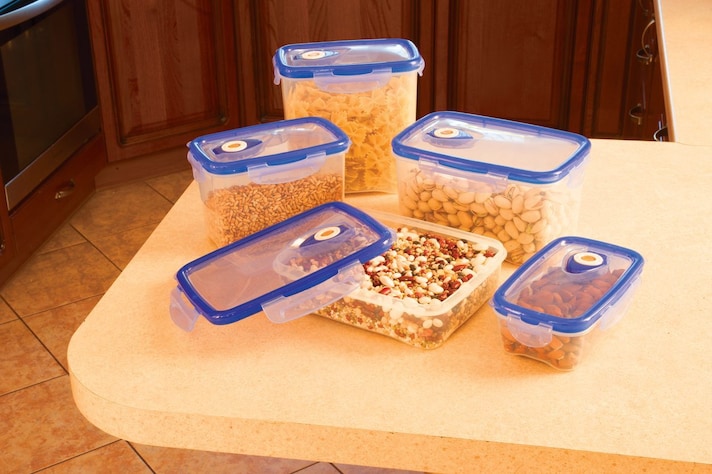
From a purely practical standpoint, plastic containers are the most convenient and practical to use: they're inexpensive, lightweight, and the latest generation take up little space, fitting perfectly in pantries and allowing you to carry them anywhere without weighing them down or worrying about them breaking. Yet, plastic containers are precisely the ones you should use with extreme caution, because from a health standpoint, they're not ideal: plastic is extremely porous and permeable, allowing for exchanges between container and contents. Furthermore, some plastics, when exposed to high temperatures, can release toxic chemicals that are then transferred into food.
On top of all this, there's also the food issue that shouldn't be underestimated: it's now well known that plastic is one of the materials with the greatest polluting impact, and that its excessive consumption creates serious problems for the planet. It's a material with a very long lifespan, and only a tenth of its production is actually recycled, with the rest ending up creating significant disposal problems. Does this mean that plastic should be avoided altogether? No, you just need to use it consciously: only store dry foods in it, which cannot absorb microplastics from the container, and replace your old containers with newer, safer ones. To ensure plastic is suitable for storing food, remember that the acronyms that indicate a non-hazardous product (also capable of containing hot, liquid, or acidic foods) are PE (which stands for polyethylene), HDPE (high-density polyethylene), and PP (propylene).
The same caution also applies to cling film, which is widely used because it's convenient for creating a protective barrier around food, but is still made of plastic. While there are various eco-friendly and sustainable alternatives —see, for example, beeswax sheets—if you use traditional cling film, avoid the older-generation PVC (polyvinyl chloride) type, which is very durable but not suitable for fatty foods because it can release microplastics. Opt for the newer-generation PE (polyethylene) type, which is less durable and flexible but safer.
4. Aluminum
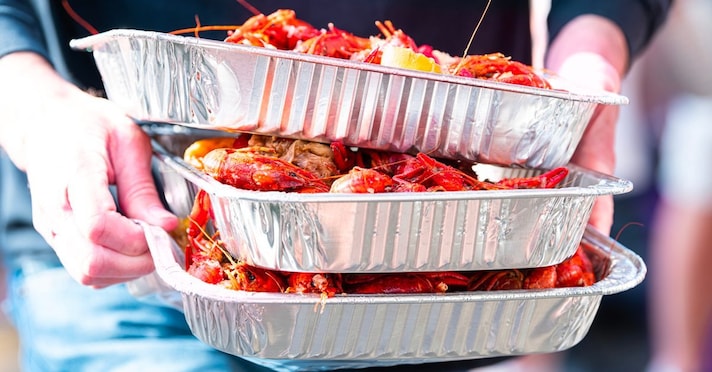
The last category of food containers to consider is aluminum, the material used to make tin foil and, above all, trays used not only to preserve food, but often also to cook it directly in them. It has been widely demonstrated that excessive aluminum consumption is dangerous to health and that this material, in particular conditions (for example, in contact with acidic or very salty foods), can release microparticles that transfer to food. Does this mean it should be avoided altogether? Again, the answer is no: as with plastic, you must learn to use it consciously and correctly, as indicated by the guidelines released by the FDA in its information campaign on the correct use of aluminum in cooking.
;Resize,width=767;)
