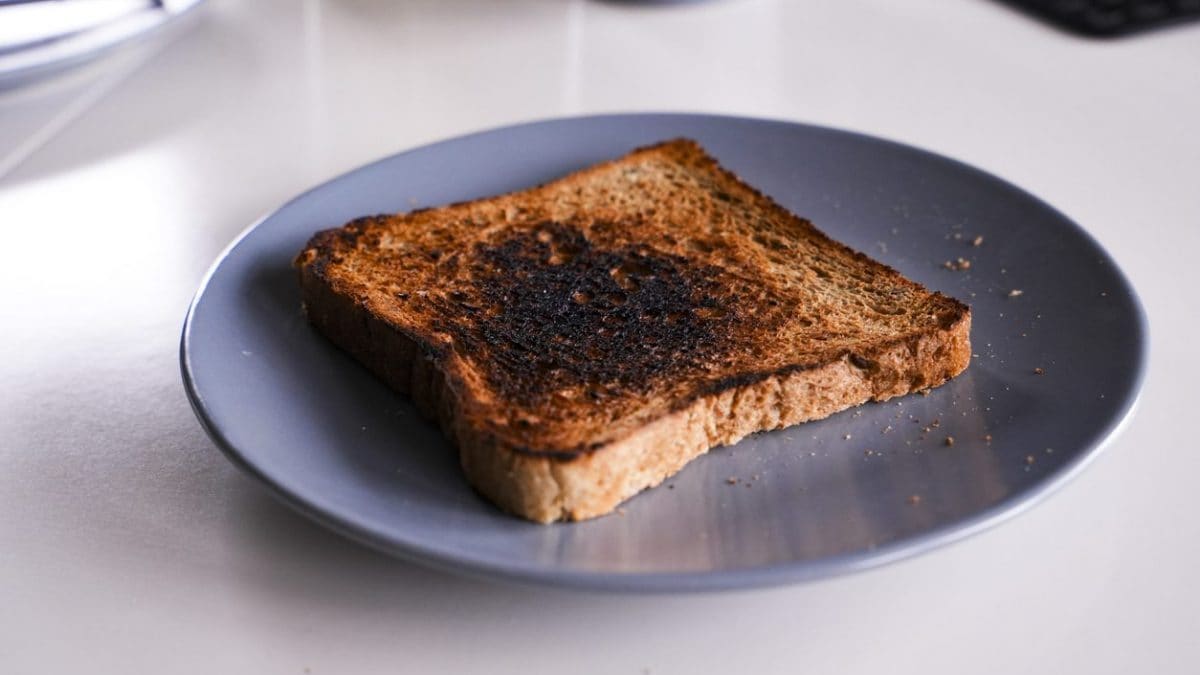
How many times have you been told not to eat burnt bread or pizza because they're bad for you? Well, it's true: when baked goods get that burnt look —which many people love, by the way—a potentially carcinogenic substance called acrylamide is formed, considered harmful to our health. Obviously, everything depends on the quantity and frequency of consumption, but a team of researchers has, in any case, found a possible solution to the problem: a variety of wheat obtained through gene editing techniques that could make bread, cookies, and baked goods safer by drastically reducing the formation of this substance.
How This New Wheat Works
The research, published in the Plant Biotechnology Journal, starts from a premise: when we bake bread and biscuits, a chemical reaction we're now all too familiar with takes place, the famous Maillard reaction. This process is responsible for the beautiful browning and irresistible aromas of baked goods, but unfortunately, it's not just that: at the same time, acrylamide is also formed, a substance associated with a potential increased risk of serious diseases, such as cancer. Acrylamide, however, doesn't arise out of nowhere; it derives largely from asparagine, an amino acid naturally present in wheat. The equation at this point is simple: the more asparagine there is, the greater the risk of acrylamide developing during baking.
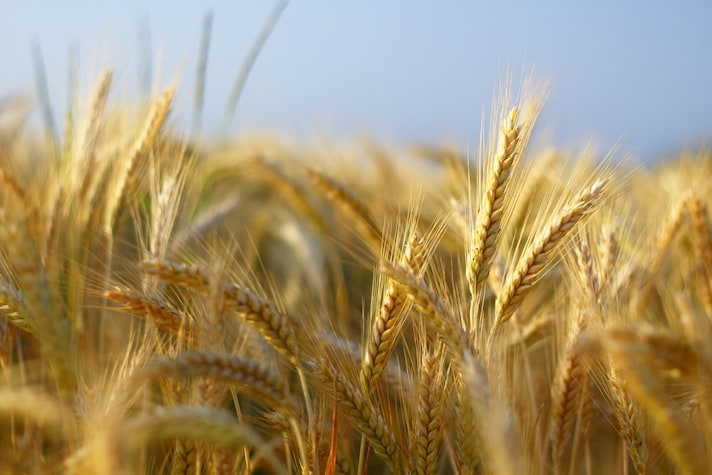
And this is where researchers at Rothamsted Research in Harpenden, Hertfordshire, come in. They used CRISPR technology to specifically target the wheat genes responsible for asparagine production. These aren't genetically modified organisms in the traditional sense: this technique modifies genes already present in the plant, without adding external genetic material. The resulting wheat was grown for two years and the results were surprising: the asparagine reduction was 93% lower than in traditional varieties, with levels, in some cases, almost undetectable.
But one of the most incredible aspects of this research is, above all, what remains unchanged: unlike other genetic improvement methods, which can reduce yield or alter product characteristics, this approach maintains the wheat's productivity and, consequently, the final product. In other words, you'll get the same bread or pizza, with identical flavor but a better safety profile.
An Answer to a Global Problem
Acrylamide has been under scrutiny by European authorities for years, who have already introduced limits to reduce its presence in foods and are working on increasingly restrictive thresholds. In this scenario, it is clear that innovations such as low-asparagine wheat become particularly strategic: they reduce risk by starting directly from the raw material and facilitating regulatory compliance. This situation is different in the United Kingdom, which is not part of the European Union, and where the Genetic Technology (Precision Breeding) Act 2023 has simplified the use of gene editing techniques, making it easier to test and bring new varieties to market.
;Resize,width=767;)
