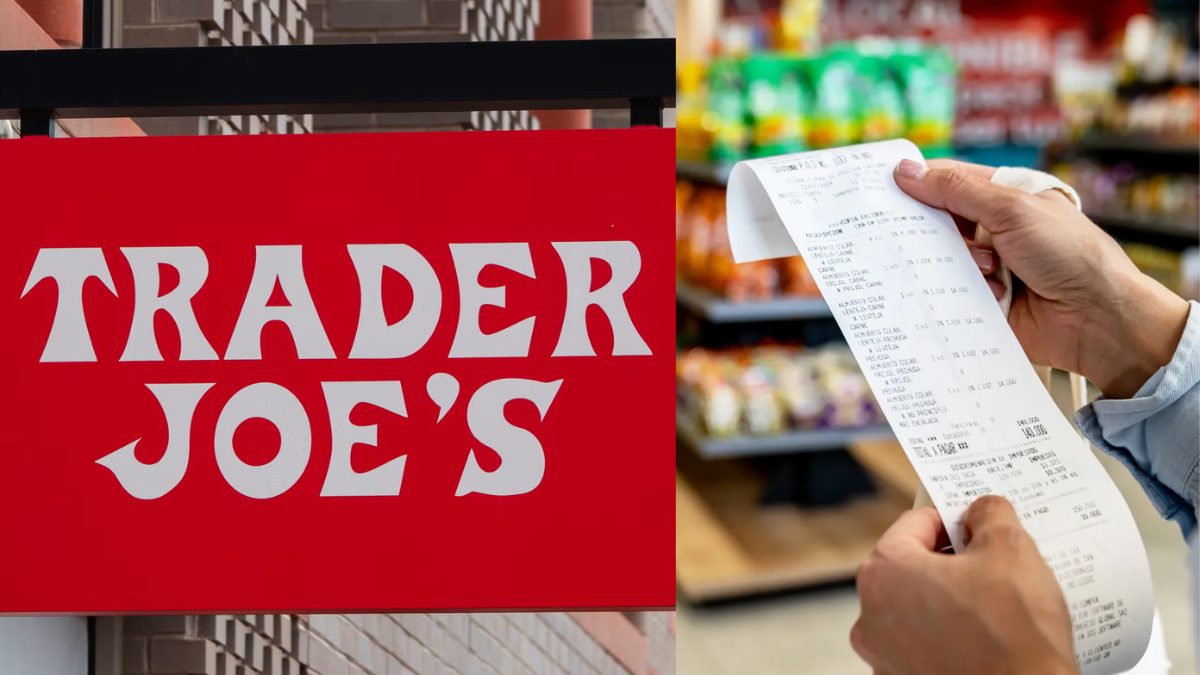
Trader Joe’s shoppers may be entitled to money back after the beloved grocery chain agreed to settle a $7.4 million class‑action lawsuit. The lawsuit claimed that the retailer printed too much credit‑card information on customer receipts, potentially violating federal privacy laws. While Trader Joe’s denies wrongdoing, the company chose to settle to avoid prolonged litigation. The settlement covers thousands of customers nationwide — and many may not even realize they’re eligible.
What the Lawsuit Was About
The case centered on the Fair and Accurate Credit Transactions Act (FACTA), which limits how much card information can appear on printed receipts. The lawsuit alleged that Trader Joe’s printed more digits of customers’ credit‑card numbers than the law allows. The issue wasn’t about fraud actually occurring, but about the risk created by the extra information appearing on receipts. Trader Joe’s maintains that no customer data was misused, but the settlement ensures affected shoppers are compensated for the potential privacy violation.
Who Is Eligible for a Payment
Eligibility is surprisingly broad. Customers may qualify if they made an in‑store purchase at Trader Joe’s between March 5th, 2019 and July 19th, 2019 and received a printed receipt showing more than the legally permitted number of card digits. More than a thousand customers customers have already been identified as eligible, but the final number could be much higher once claims are processed. You do not need to have kept your receipt — the settlement administrators can verify purchases through other means.

How to File a Claim
The exact payout is estimated to be of $102.45 per customer. Customers who submit valid claims before the deadline will receive their payment via check or digital transfer.
Filing is simple and can be done online through the official settlement website. Shoppers will need to provide basic information — name, contact details, and approximate dates of purchase — and confirm that they received a qualifying receipt. The claims process takes only a few minutes, and no proof of purchase is required unless the settlement administrator requests additional verification.
This case highlights how even small details on a receipt can lead to major legal consequences. FACTA violations are taken seriously because they can expose consumers to identity‑theft risks, even if no fraud actually occurs. For Trader Joe’s, the settlement is a reminder of how important compliance is — especially for a brand that prides itself on customer trust and loyalty. The company has already updated its receipt‑printing systems to prevent similar issues in the future.
;Resize,width=767;)
