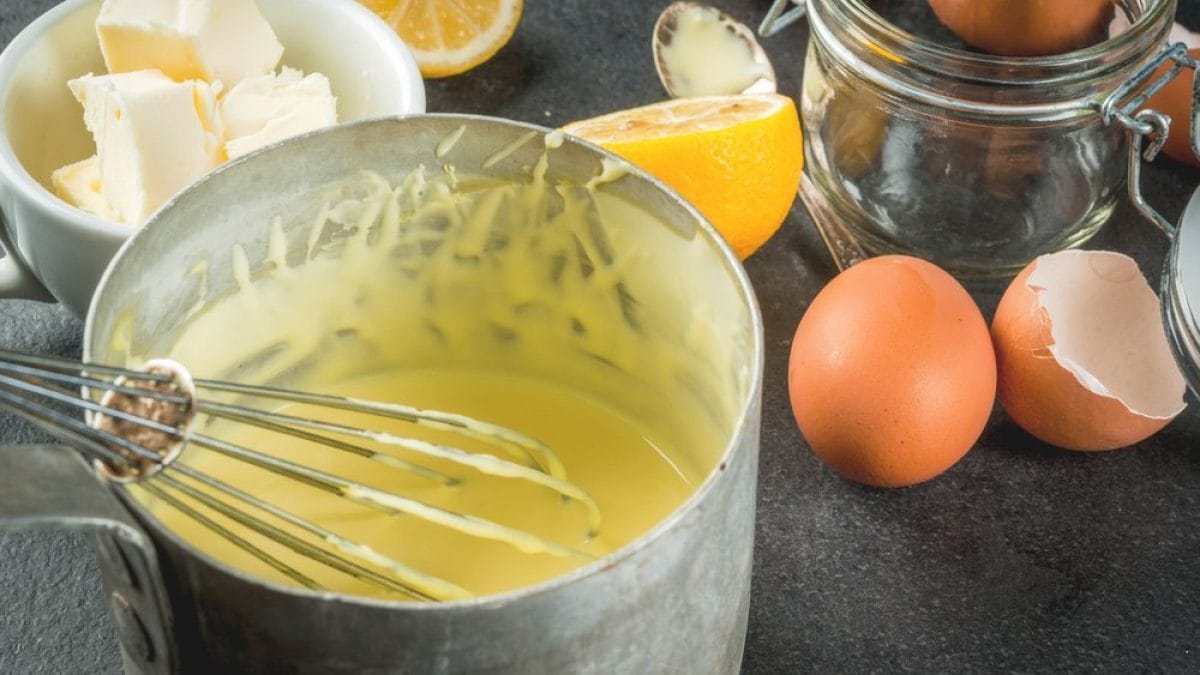
Mother sauces are one of the cornerstones of classical cuisine, an essential base from which countless other recipes derive. Their classification dates back to a period between the second half of the 19th century and the early 20th century, thanks to two important French chefs, Marie-Antoine Carȇme and Auguste Escoffier: there are five in total, and the names sound more or less familiar, including béchamel, hollandaise sauce, velouté sauce, espagnolette sauce, and tomato sauce. With the addition of new ingredients, other preparations, known as derived sauces, are born: these include Mornay, Béarnaise, demi-glacé, but also arrabbiata and ragù alla Bolognese, the latter being decidedly popular condiments in gastronomy. These elements give different flavors and textures to dishes, creating five pillars that are indispensable.
Béchamel Sauce (White Sauce)
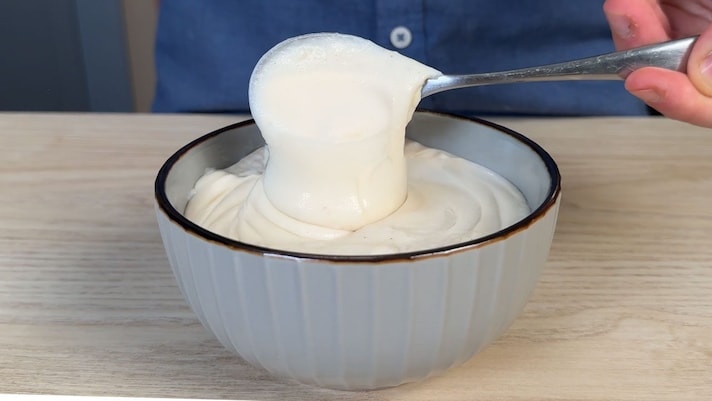
Let's start with one of the most famous mother sauces, used not only by chefs and food enthusiasts: béchamel. The name derives from the nobleman Louis de Béchameil, in homage to him and, most likely, not because he invented it. In any case, already in 17th- century France, this silky, lump-free preparation could be enjoyed at the courts. It is made with a roux of flour and butter, added milk, and flavored with a pinch of nutmeg. Depending on the proportions of the ingredients and the cooking time, the result will be more liquid or thicker, perfect for enriching and binding the various elements that make up evergreen dishes like lasagna, cannelloni, crepes, and baked pasta. Enriched with egg yolks, cream, and grated Gruyère-type cheese, béchamel transforms into a flavorful Mornay sauce.
Hollandaise Sauce
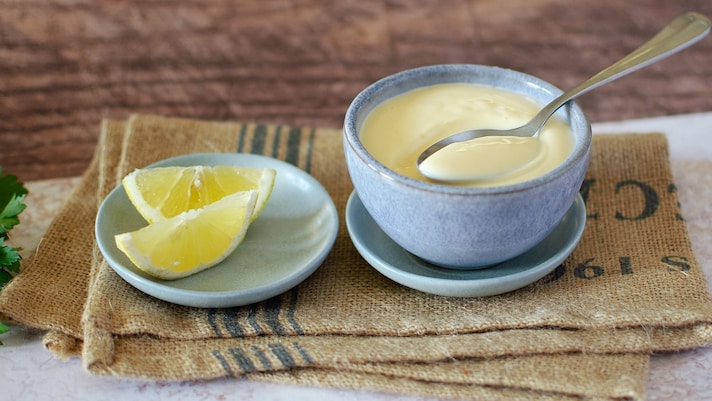
With its smooth, creamy texture and opaque yellow color, hollandaise sauce is synonymous with elegance: just think of its most famous use, as a fluffy finishing touch to eggs Benedict, or to add a gourmet touch to simple dishes, for example, poured over steamed or pan-fried asparagus. Its key ingredient is the freshest egg yolks, which are whipped in a bain-marie with lemon juice and hot melted butter (preferably clarified), drizzled in while continuing to stir. Compared to béchamel, hollandaise sauce requires more technique: it risks curdling, a bit like mayonnaise, or overcooking. Despite its name, its origins are French, between the 17th and 18th centuries: the most popular version, in fact, claims it was developed by chefs from across the Alps as an imitation of a Dutch sauce for the visit of one of their sovereigns. Very versatile, this condiment also goes perfectly with white fish, delicate meats such as chicken and turkey, and the addition of shallots and tarragon gives life to the equally famous béarnaise sauce.
Velouté Sauce
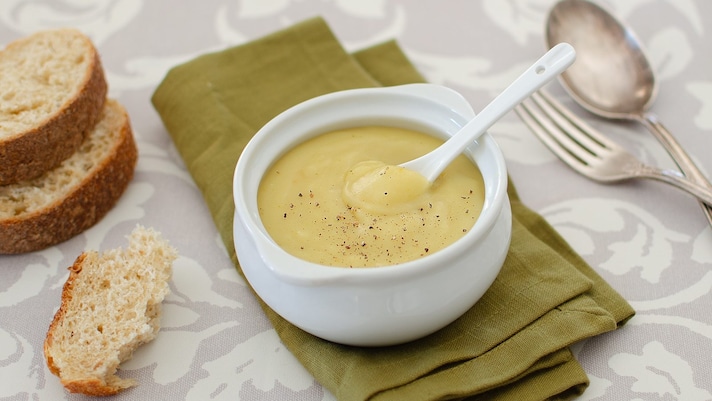
Perhaps less well-known than other mother sauces, as its name suggests, it has a velvety, light consistency and is distinguished by its pure white color. Known as velouté, it appeared in 17th-century France and is prepared by combining a white stock (a reduction made from veal, chicken, or fish bones, with an intense flavor, but more elaborate to make at home, so much so that broth, including vegetable broth, is preferred) with a classic roux of flour and butter. Similar to béchamel, it is less full-bodied and more delicate: an excellent substitute in recipes such as flans, cannelloni, or savory pies. It can be flavored with pepper (especially white pepper), salt, and even nutmeg. Among its most famous variations is the supreme sauce or suprême, featuring a white chicken stock combined with a roux and finished with fresh cream.
Spanish Sauce
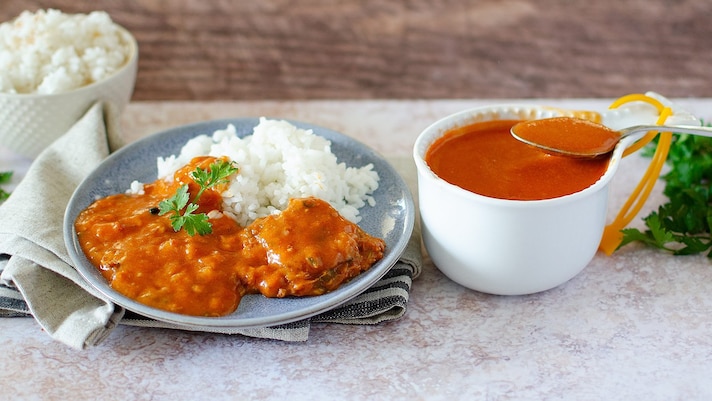
Espagnole sauce, also known as bound brown stock, is one of the richest and most complex of mother sauces. Despite its name, the French also had a hand in it: history has it that it was first developed for the wedding of Prince Louis XIII to the future Queen Anne of Austria, daughter of Philip III, King of Spain. Brown in color and with a dense consistency, it combines a dark roux obtained by cooking flour and butter until it reaches hazelnut hues with a brown stock to which rind (or prosciutto) and vegetables (such as carrots and onion) are added. The sauce is left to simmer for a very long time and then filtered. The result is a remarkable depth of flavor: it pairs well with red meat and game dishes, and is the quintessential mother sauce for refined sauces such as demi-glacé, which uses a more concentrated version, and Bordeaux, with red wine.
Tomato Sauce
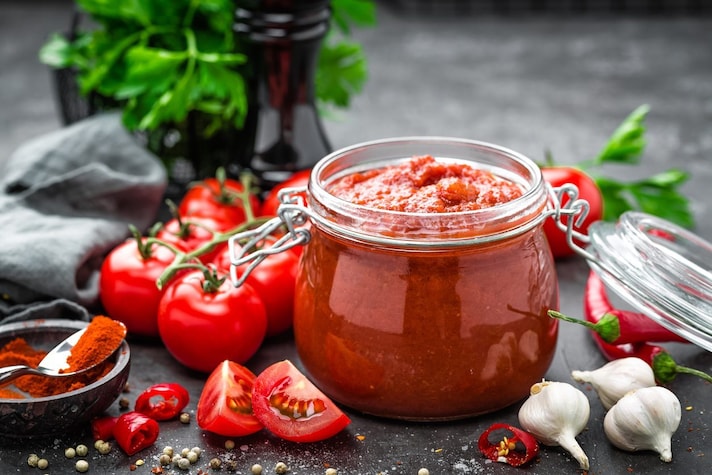
A symbol of the authenticity of Mediterranean cuisine, we conclude our review with tomato sauce. Due to its widespread use and versatility, Escoffier incorporated it into mother sauces. However, his version is a bit more complicated, as the recipe is far from the simplicity of the Italian version, which uses only ripe tomatoes or passata , extra virgin olive oil, and fresh basil. The chef browned pork belly in butter, added carrots, onions, thyme, and bay leaves, and then mixed in flour to create a roux that thickened the sauce once the tomatoes and veal broth were added. Bringing it to a boil, adding a clove of garlic and baking it in the oven, the sauce is then passed through a sieve to create a sauce with a velvety consistency and concentrated flavor.
International "Mother" Sauces From Different Countries
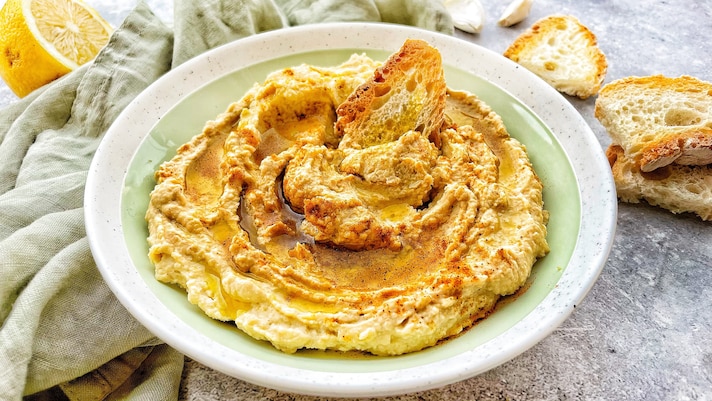
Beyond the mother sauces themselves, looking at different gastronomic cultures, it's possible to identify a multitude of different sauces that represent them in an "iconic" way. A few of the most famous examples? Greece gives us the fresh, creamy, and irresistible tzatziki, with yogurt, cucumber, and garlic, perfect for pairing with typical mezédes. Provence and Spain offer aioli, a flavorful reinterpretation of mayonnaise, a faithful companion to fish and potatoes. From the Middle East, a sauce that certainly needs no introduction: hummus, while from Mexico comes another must-have appetizer, guacamole, a harmonious blend of avocado, lime, cilantro, and chili pepper.
Argentina invites us to discover the fragrant chimichurri, a green sauce made with aromatic herbs, vinegar, spring onion, and chili pepper, ideal for grilled meat. Here in the United States, the star is barbecue sauce, smoky and sweet, a must-have for BBQ enthusiasts. Moving to Asia, the most well-known all-purpose sauces are soy sauce in Japan, a key ingredient in popular condiments like teriyaki, and Chinese sweet and sour sauce. Also worth mentioning is the Vietnamese nước chấm, made with fermented fish, a descendant of the garum so beloved in ancient Rome, which is used to add an umami flavor to most dishes, both traditional and otherwise.
;Resize,width=767;)
