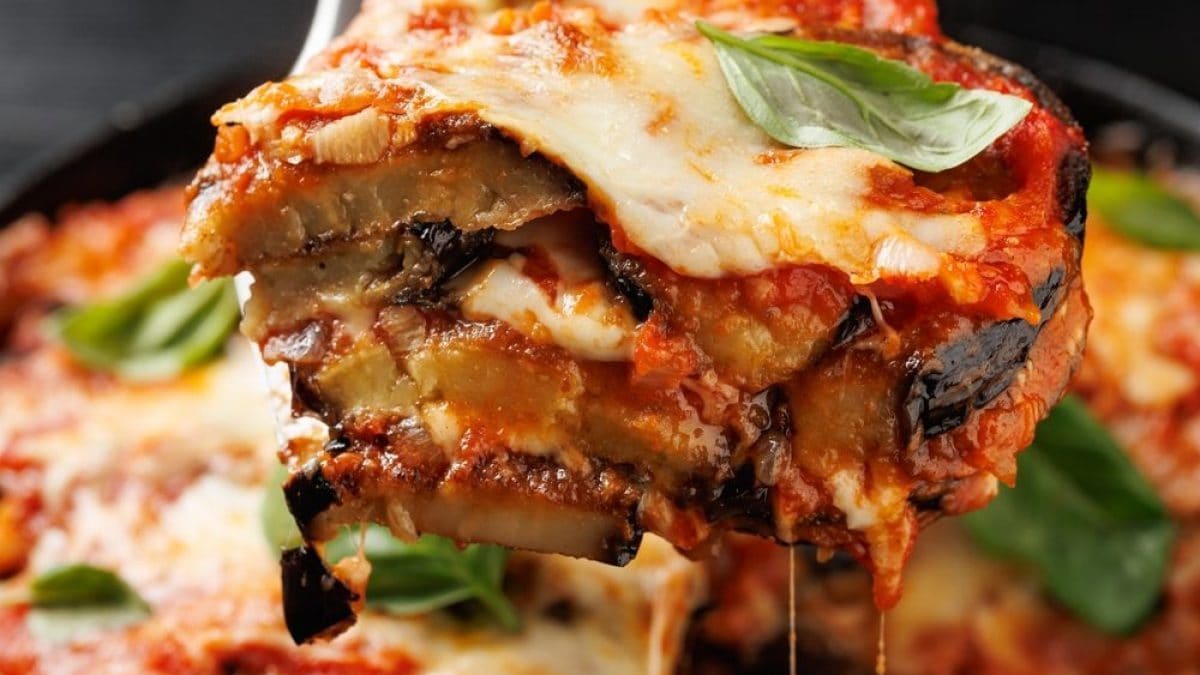
Among the iconic summer dishes made in Italy is eggplant parmigiana: a timeless classic of Southern Italian cuisine, spanning Campania, Puglia, and Sicily, that doesn't mind a trip to the beach (just like us), enjoyed under a beach umbrella for a decidedly indulgent lunch. Although there are variations depending on the region of origin and family traditions, traditional eggplant parmigiana has one mainstay around which the entire dish revolves: eggplant—strictly—fried. Yes, but which eggplant? There are many varieties available, including black, purple, white, round, elongated, and oval, which present different characteristics not only aesthetically, but also in taste and texture. Choosing the right ingredient is important for obtaining a parmigiana that maintains its structure, is easy to portion, is flavorful, succulent, not greasy, and cooked thoroughly.
What Are The Main Varieties of Eggplants?
Eggplant is one of the symbolic vegetables of the Italian summer and of many other countries bordering the Mediterranean. Just like tomatoes, botanically it is a berry: both are part of the same family, Solanaceae, and there are many varieties. Among the most popular eggplants are:
- the black oval eggplant: probably the most widespread, with a swollen, pear-shaped appearance, smooth, tight, very dark skin, and porous white-green flesh that can have bitter notes.
- the long black eggplant: it has an oblong shape, dark skin like the previous one, and a fleshy interior usually without seeds.
- The round eggplant: immediately recognizable as it appears large and globular, with shiny skin in shades ranging from dark purple to intense fuchsia. The flesh is firm and abundant.
- Purple eggplant: it includes many varieties, including oval, elongated, and round, all characterized by their purple skin. The former tend to have lighter hues, while the latter are darker. All have a sweeter flavor than black eggplants.
- The striped eggplant: also known as the zebra eggplant, it resembles the black oval eggplant, but the skin is crossed by white and purple streaks that aesthetically resemble the animal's coat. The flesh is sweet and soft.
- White eggplant: whether oval or round, these eggplants are distinguished from all others by the color of their skin, which is completely ivory-white and shiny. The flavor is very delicate, not at all bitter.
- The pearl eggplant: also called baby eggplant, it is smaller than the others, which generally do not exceed 12 cm. It is thin, long, with a bright, shiny purple skin and sweet, tender but firm flesh: overall, it is particularly pretty.

What Are The Best Eggplants for Parmigiana?
Eggplant parmigiana is a rich and filling dish, made up of layers of fried eggplant, tomato sauce, mozzarella, grated cheese, and basil: everything is baked in the oven and gratinated, resulting in a soft and stringy interior and a delicious crust on the surface. This structure is fundamentally upheld by the eggplant itself, as the filling is generous and contains a fair amount of water, which is released during cooking from both the sauce and the mozzarella. Long, black eggplants perform this task best , perfect for being cut into thick, even slices that don't break: their flesh is firm, compact, less fibrous and porous than oval black eggplants, thus preventing them from absorbing excess oil during frying, without falling apart or becoming too heavy (although this depends on how well the frying is done). Another great advantage is that they have no seeds, reducing the bitter note and, a factor to take into consideration, they are easily available.

Frying Vs. Baking Eggplants
Over time, eggplant parmigiana has seen many different interpretations, with grilled, plain , pan-fried , and single-serving versions, but the traditional version features eggplants first fried and then baked. While the long, black eggplant is the best choice for the entire dish, it's not the only choice: firm flesh, low water release, few seeds, and evenly cut are qualities also found in the long, purple eggplant. The tender, plump, round purple eggplants are also excellent for frying.

Instead, opt for oval eggplants (black, purple, striped, or white) for baking. When roasted (for example, to make pestos and flavorful sauces) in slices or boats, these varieties retain a higher water content and don't dry out and become stringy, but remain moist inside. Round eggplants, on the other hand, are ideal for hollowing out and stuffing.
How to Make Eggplant Parmigiana
Once you've chosen the ideal eggplant, there are some useful preliminary steps to follow to obtain a very satisfying parmigiana. First, the eggplants must be washed and dried carefully: to arrange them in the classic baking dish, cut them lengthwise with a sharp knife, creating slices about ½ centimeter thick: this measurement allows for a solid structure and, at the same time, a flavorful and tender eggplant at the heart. Don't forget the draining step: in this case, letting them rest for at least an hour in coarse salt helps not only to remove any bitterness, but also excess liquids that tend to compromise frying. Residual salt should be removed under running water, then patted dry with kitchen paper slice by slice: remember that too much moisture makes fried foods soggy and greasy. What else should you pay attention to? Prefer peanut oil, which must reach a temperature between 340°F/170°C and 355°F/180°C. Pour a few slices of eggplant at a time or there is the risk that the temperature will lower, soaking the vegetable in oil. Once golden, drain well. The basic ingredient of your parmigiana is ready.
;Resize,width=767;)
